
First-Time Homebuyer? 10 Essential Tips to Make Your Journey Smooth

Congratulations! You’re About to Buy Your First Home

Buying your first home is one of life’s most exciting milestones—but it’s also a journey full of emotions. You may feel thrilled, nervous, and even a little overwhelmed all at once. At Taylor Morrison, we understand. We’re not just here to build homes; we’re here to guide you every step of the way. To help make your first homebuying experience as smooth and enjoyable as possible, we’ve put together 10 essential tips that will keep you confident, informed, and in control.

1. Know What You Can Truly Afford

Dreaming big is part of the fun, but it’s important to stay realistic. Before falling in love with a home, pre-qualify for a mortgage to understand exactly what you can borrow. Knowing your budget gives you a clear picture of what’s possible, strengthens your negotiating power, and prevents disappointment down the road. Use a free mortgage calculator to see where your numbers fall—and remember, it’s better to buy within your means than overextend yourself.

2. Check and Improve Your Credit

Your credit score is a major factor in securing a favorable mortgage rate. Even small blemishes can affect the interest rate you’re offered. Fortunately, you’re entitled to one free credit report per year from each of the three major bureaus. Take time to review your report, fix errors, and pay down outstanding debts. A few proactive steps can make a significant difference in your homebuying power.

3. Understand Your Lending Options

Mortgages come in many flavors. The two main types are fixed-rate (stable monthly payments for the life of the loan) and adjustable-rate (payments fluctuate with market interest rates). Other factors include the loan term and down payment requirements, which vary by program. Do your research before committing. Understanding the loan options available ensures you won’t be surprised by unexpected terms or fees—and it helps you pick the plan that fits your financial goals.

4. Make a Must-Have List

Before you start touring homes, get clear on your priorities. Do you dream of a large backyard, a three-car garage, or a media room? Separate your “must-haves” from your “nice-to-haves.” This simple exercise keeps you focused while comparing properties, and it helps you avoid impulse decisions that might not meet your long-term needs.

5. Study the Neighborhood

It’s not just the home that matters—location is everything. Research community resale values, safety ratings, school quality, and proximity to work, shops, and entertainment. A modestly priced home in a great neighborhood is often a better investment than an expensive home in a less desirable area. Your future happiness depends as much on the surroundings as on the home itself.

6. Keep Track and Score

As you tour homes, use your lists to “score” each property. Assign numerical values to both must-have and nice-to-have features. Take detailed notes about pros and cons, and compare objectively. This method helps you make clear, thoughtful decisions rather than relying solely on first impressions or emotions.

7. Factor in Price, Payments, and Interest Rates

A lower interest rate can sometimes outweigh a slightly higher purchase price. Over time, a few percentage points can translate into thousands of dollars saved. Don’t just focus on the monthly payment—consider the total cost of financing and how it fits into your long-term financial plan.

8. Remember the Hidden Costs

Owning a home comes with more than just the purchase price. Be prepared for closing costs, property taxes, homeowners association fees, insurance, and private mortgage insurance (PMI). Anticipating these expenses upfront helps you budget accurately and prevents surprises after you move in.

9. New vs. Resale: Know the Difference

Buying a previously owned home can be appealing, but it may come with hidden repair costs—like a new roof, plumbing updates, or electrical rewiring—that can add up quickly. A new home, on the other hand, comes with warranties from both the builder and manufacturers, providing peace of mind and potentially saving you thousands in repairs over the first few years.

10. Follow Your Heart

After checking all the practical boxes, don’t forget the emotional side. Will this home make you feel happy and excited every day? Can you picture yourself building memories here? If your answer is yes, then you’ve likely found a home you’ll love for years to come. Emotional connection matters—your home should be a place where you genuinely feel at ease and excited to return.

Final Thoughts

Buying your first home is both thrilling and life-changing. With these tips, you’ll be better prepared to navigate the process, make smart financial decisions, and find a home that fits both your needs and your dreams. At Taylor Morrison, we’re more than builders—we’re partners in your journey. With the right guidance, planning, and mindset, your first home can be the start of a lifetime of memories and happiness.


St. Oak: A Stripped-Back Holiday Apartment by a Creative Pair in Germany

In a world where holiday rentals often rely on elaborate decoration and over-the-top amenities to attract guests, St. Oak stands out for its elegance through simplicity. This stripped-back holiday apartment, envisioned and realized by a creative duo in Germany, demonstrates the power of restraint and thoughtful design. From the careful selection of materials to the subtle interplay of light and space, St. Oak is a masterclass in minimalist living, offering a sanctuary that balances functionality, aesthetics, and comfort for travelers seeking a refined retreat.

A Philosophy of Simplicity and Functionality
At the heart of St. Oak is a design philosophy that prioritizes clarity, purpose, and calm. Every element within the apartment has been considered for both form and function. The layout avoids unnecessary partitions, opting instead for an open-plan structure that maximizes the flow of natural light and movement. This openness allows guests to engage with the space rather than simply occupy it, making the apartment feel larger than its footprint suggests. Thoughtful spatial planning ensures that each area—sleeping, cooking, lounging, and dining—serves its purpose seamlessly while maintaining an uncluttered aesthetic.

Materiality and Textural Harmony
One of the most striking aspects of St. Oak is the deliberate choice of materials. Natural wood flooring and exposed beams establish warmth and authenticity, grounding the minimalist interior in tactile comfort. Neutral textiles, such as linen bedding and wool throws, contribute softness, while matte finishes on cabinetry and furniture create a visual calm that contrasts with occasional raw textures, like concrete countertops or subtle metallic fixtures. This careful balance of natural and industrial elements exemplifies modern European sensibilities, blending timeless craftsmanship with contemporary minimalism.

Curated Furniture and Objects
Every piece in St. Oak has been selected not for abundance but for impact. Furniture embodies clean lines, gentle proportions, and understated design, creating an environment that is both functional and visually harmonious. Storage solutions are cleverly integrated, hidden from view to preserve the sense of openness. Decorative elements are minimal yet meaningful—a single sculptural vase, a carefully placed piece of wall art, or a book collection that reflects the creative interests of its owners. These curated choices ensure that the apartment feels personal without feeling cluttered, providing a space where guests can relax and recharge.

Lighting and Atmosphere
The lighting strategy in St. Oak is integral to its inviting atmosphere. Large windows allow daylight to flood the interior, emphasizing the natural textures and highlighting subtle color variations in materials. In the evenings, ambient lighting—soft wall-mounted fixtures, under-cabinet LEDs, and strategically placed pendant lights—creates a warm, cozy environment that encourages unwinding and reflection. The careful layering of natural and artificial light enhances the apartment’s stripped-back aesthetic, making the space feel simultaneously airy and intimate.

A Neutral Palette with Subtle Accents
Color in St. Oak is restrained but purposeful. A neutral palette of whites, beiges, greys, and warm wood tones forms the foundation of the design, providing a calm and cohesive backdrop. Occasional muted accents—such as ochre cushions, soft green plants, or a handwoven rug—introduce subtle visual interest without overwhelming the senses. This approach ensures that the space maintains a timeless quality, allowing guests to personalize their experience while keeping the apartment visually serene.

Integration of Practical Luxury
While St. Oak emphasizes minimalism, it does not compromise on comfort or functionality. The kitchen is compact yet fully equipped, featuring modern appliances seamlessly integrated into the cabinetry for a clean appearance. The bathroom combines sleek fittings with practical storage solutions, providing an efficient yet spa-like environment. Bedroom areas prioritize restful sleep, with high-quality bedding, blackout blinds, and thoughtful acoustic consideration. This balance of practical amenities and design elegance exemplifies the apartment’s ethos of understated luxury.

Connection to the Surroundings
A key aspect of St. Oak’s charm lies in how it interacts with its locale. Positioned within a historic yet evolving German neighborhood, the apartment embraces its context without competing with it. Large windows frame views of surrounding architecture and greenery, inviting guests to appreciate the locale’s character from the comfort of the interior. The stripped-back design serves as a neutral canvas, allowing the outside world to become an extension of the apartment itself.

Design as Experience
Ultimately, St. Oak is more than a holiday rental—it is a thoughtfully composed experience. Every decision, from layout and material selection to lighting and furniture, is intended to create a sense of ease, focus, and aesthetic pleasure. The apartment encourages a slower pace, where guests can enjoy simplicity, reflection, and genuine comfort. Its design demonstrates that minimalism, when executed with care and intention, can be profoundly expressive and luxurious.

Conclusion
St. Oak exemplifies how stripped-back design can elevate the concept of a holiday apartment. Through its deliberate use of space, natural materials, and subtle detailing, it provides a sanctuary for relaxation and inspiration. For travelers seeking an environment that merges functionality, elegance, and comfort without unnecessary embellishment, St. Oak offers a model of contemporary minimalism rooted in thoughtful design. It is a testament to the creative potential of simplicity and a benchmark for holiday accommodations that prioritize both beauty and usability.

Nick Vinson Transforms Italian Embassy Into a Celebration of “Made in Italy” Excellence

London-based designer Nick Vinson, in collaboration with heritage specialists Avanti Architects, has undertaken a meticulous renovation of the Italian Embassy’s residence on Grosvenor Square. The project was conceived to celebrate and showcase the very best of Italian design, blending contemporary elegance with the building’s historic character. Featuring products from renowned Italian brands such as Molteni & C, B&B Italia, Flos, and Poltrona Frau, the interiors now function as both a refined home for the Italian ambassador and a carefully curated exhibition of Italy’s design excellence.

The residence occupies the second and third floors of a Grade II-listed building dating back to 1868. The interiors had last been remodeled in 1932 by Wellesley & Will, leaving a layered historical context for Vinson and his team to work with. “We preserved all the significant details from both periods,” Vinson explained, “and paired them with modern Italian furnishings from the latter half of the 20th century up to the present day, chosen for their timeless quality and enduring appeal.”

Central to the renovation was the desire to project a contemporary vision of Italy. As Italian ambassador Inigo Lambertini noted, “The previous interiors no longer reflected modern Italy. Our aim was to blend tradition with modernity, showcasing the elegance of the building while reflecting the vitality and innovation of our country.” The updated residence now serves as a platform to promote the “Made in Italy” ethos, highlighting a diverse array of industrial and artisanal products.

The bedrooms, including the presidential suite, feature iconic Ribbon beds designed by Belgian architect Vincent Van Duysen for Molteni & C. In the presidential suite, the bed is complemented by the D.847.1 writing desk by Italian designer Gio Ponti, a Pagoda Piantana floor lamp by Ignazio Gardella for Tato, and a signature rug designed by Vinson in collaboration with CC-Tapis. Additional furnishings include a chest of drawers by Piero Lissoni for Porro and wall lamps by Charlotte Perriand, supplied by Nemo Lighting. These pieces harmoniously blend heritage, craftsmanship, and contemporary design sensibilities.

The main living area is anchored by a Kyoto coffee table designed by Gianfranco Frattini for Poltrona Frau, accompanied by a Catalina armchair by Luigi Caccia Dominioni for Azucena, and a custom rug conceived by Vinson and CC-Tapis. A striking mirror by Ronan and Erwan Bouroullec for Flos complements the red kitchen, tying together form and function with a sophisticated Italian aesthetic.

In total, the renovation showcases products from 42 carefully selected Italian manufacturers, spanning furniture, lighting, textiles, marble, glass, paint, bathroom fittings, kitchens, radiators, rugs, curtains, and accessories. The residence also displays works by 15 modern and contemporary Italian artists, blending fine art with design to create a holistic representation of Italy’s creative output.

Vinson’s vision for the embassy residence was to create an environment that demonstrates Italy’s design legacy while embracing contemporary lifestyle needs. The project illustrates how historic buildings can be sensitively updated to serve modern purposes, celebrating craftsmanship, quality, and innovation in a context that resonates both politically and culturally.

Other recent projects involving embassy renovations include a US consulate along the Arizona-Mexico border and a distinctly Australian embassy in Washington, D.C., highlighting Vinson’s expertise in merging diplomatic prestige with design excellence.

This renovation not only provides a luxurious, functional residence for the Italian ambassador but also transforms the space into a living showcase of Italy’s rich design heritage—a space where tradition, artistry, and modernity coalesce seamlessly.

The Secret To Choosing The Right Paint Color for Home Stagers

Choosing the right paint color is one of the most crucial and challenging decisions in home staging. Over 40% of paint sold is the wrong color the first time! It’s a common struggle.

Just think about it: a single paint deck holds over 1,200 colors. No wonder most people feel overwhelmed!

But as a home stager and color consultant, you have the power to guide clients to the right choice, saving them time, money, and frustration. The right colors can transform a home, making it feel larger, brighter, and more inviting – helping it sell faster and for top dollar.

The Psychology of Color in Staging

Color has a profound impact on emotions and perceptions. It can influence how people feel in a space and how they interact with it. For example:

Warm colors like red and yellow create a cozy, inviting atmosphere.
Cool colors like blue and green promote relaxation and calm.
Bright, vibrant colors energize a room, making it feel lively and cheerful.

In home staging, the goal is to strike a balance. Neutral enough to appeal to a wide range of buyers but not so bland that it lacks personality.

A sea of beige can feel uninspiring. But a home with too many taste-specific colors can turn buyers away. That’s why finding the perfect neutral paint color is key.

The Three Keys to Understand and Define Color

Most people struggle to see subtle differences in color, especially on small paint swatches. That’s why understanding three key ways to define color will help you make the right choices.

  1. Light vs. Dark or Tints vs. Shades

This refers to the amount of white or black in a color—also known as its tint (adding white) or shade (adding black).

For example, let’s look at Sherwin Williams’ Cocoa Whip (SW9084). It’s darker than Realist Beige (SW6078) but lighter than Sable (SW6083).

On a paint strip, you’ll see different tints and shades of the same hue. Why does this matter? Darker colors recede, making a space feel smaller and cozier. Lighter colors advance, making a space feel more open.

  1. Warm vs. Cool Tones

This refers to whether a color has more yellow or blue undertones.

Warm colors (reds, oranges, yellows) feel cozy and inviting. Cool colors (blues, greens, purples) feel refreshing and calming.

You’ll want to consider the direction a room faces, too. This can also influence how color reads.

North-facing rooms receive cooler light, so warm tones can balance it out. South-facing rooms get warm light, so cooler tones can keep the space from feeling too hot.

  1. Clean vs. Dirty or Vibrant vs. Muted Colors

This is the trickiest, but possibly the most important, way to define color.

Clean colors are pure and vibrant. Dirty colors are muted with hints of gray or brown.

When clean and dirty colors are mixed incorrectly, something feels “off.”

Knowing how to balance clean and dirty colors is crucial to making a home feel fresh and modern.

Staging pro tip: Colors that are a little “dirtier” can often feel more expensive. If a space feels like it is lacking a luxury quality, ask yourself if the colors in the room are too “clean.”

By mastering paint color selection, you become the expert that homeowners and agents turn to for guidance—before they make costly mistakes.

These are all our favorite paints (white included)!

Pro Tips for Selecting Paint Colors for Staging

✔️ Stick to soft, muted tones – Avoid highly saturated colors.

✔️ Use contrast to add depth – Pair light walls with dark accents.

✔️ ️ Test colors in the actual space – Paint swatches on poster board, not directly on the wall.

✔️ Choose finishes wisely – Flat for ceilings, eggshell for walls, semi-gloss for trim.

Become the Color Expert Homeowners Trust

As a home stager, understanding color theory gives you a major competitive edge. You’ll be able to:

✅ Choose the perfect neutral without guessing.

✅ Guide sellers to smart color choices that increase home value.

✅ Avoid common color mistakes that turn buyers off.

The Long Weekend Edit: 11 Hand-Picked Sales to Shop

Long weekends are a perfect opportunity to relax, recharge, and treat yourself—and savvy shoppers know that they also present a prime moment for scoring deals across fashion, home goods, tech, and lifestyle products. “The Long Weekend Edit: 11 Hand-Picked Sales to Shop” is a curated guide designed to help you navigate the best offers, streamline your shopping experience, and make the most of limited-time promotions. In this comprehensive exploration, we’ll uncover not just the discounts, but the strategy behind smart shopping, ensuring that each purchase is both purposeful and value-driven.

Maximizing Your Shopping Strategy
Before diving into sales, it’s essential to establish a clear approach. Hand-picking items based on personal style, lifestyle needs, and long-term utility is crucial. Rather than succumbing to impulse buys, shoppers can focus on products that blend immediate appeal with lasting value. Consider items that upgrade your home environment, enhance everyday routines, or provide wardrobe versatility. Evaluating sales from this perspective ensures that your purchases serve more than a momentary thrill—they become practical additions to your lifestyle.

Fashion Finds for Every Wardrobe
Long weekend sales often include seasonal fashion must-haves, from statement outerwear to classic wardrobe staples. Look for limited-time discounts on versatile pieces such as tailored blazers, cashmere sweaters, or designer footwear. Accessories, including handbags, watches, and jewelry, often feature notable markdowns, offering opportunities to elevate your look with minimal investment. Strategic shopping also means prioritizing quality over quantity—select pieces crafted from durable fabrics and timeless designs that will remain relevant across seasons.

Home Essentials and Lifestyle Upgrades
Beyond clothing, long weekends are an ideal time to explore sales on home décor, furniture, and kitchenware. From statement lighting fixtures to practical organizational tools, these products enhance both the functionality and aesthetic appeal of your living space. Consider investing in high-quality bedding, ergonomic chairs, or multipurpose storage solutions—items that provide long-term comfort and convenience. Limited-time sales may also include outdoor essentials, such as patio furniture or grilling equipment, perfect for enhancing your home’s seasonal versatility.

Technology and Smart Shopping
Tech deals are often among the most anticipated during long weekend sales. Electronics, from smart home devices to laptops, headphones, and tablets, frequently receive significant price reductions. When shopping for tech, prioritize products with robust warranties, favorable reviews, and compatibility with your existing devices. Smart consumers also compare features and consider whether discounted items genuinely meet their needs or simply entice with a lower price tag. This approach ensures you invest wisely in technology that truly improves daily life.

Beauty, Wellness, and Self-Care Finds
Long weekends provide an opportunity to invest in personal wellness, and many sales cater to beauty and self-care enthusiasts. Skincare sets, premium haircare products, and curated wellness packages can often be found at reduced prices. By selecting high-quality items during these promotions, shoppers can create a personalized self-care routine without overextending their budget. Additionally, wellness-focused purchases, such as home exercise equipment or relaxation aids, can contribute to long-term physical and mental health.

Curated Selection of 11 Top Sales
This hand-picked edit highlights eleven of the most compelling sales across categories. Each selection is chosen based on a combination of discount value, product quality, and practical application. By narrowing focus to these standout deals, shoppers can save time while ensuring they capitalize on offers that genuinely enhance their lifestyle. From designer clothing to functional home items, this curated approach makes navigating a crowded sale landscape efficient and effective.

Timing and Availability
A key element of successful long weekend shopping is timing. Limited-time sales often sell out quickly, so planning ahead is essential. Signing up for newsletters, setting alerts, and bookmarking desired items can help secure purchases before popular products disappear. Understanding store policies on returns, exchanges, and price matching also protects against buyer’s remorse, ensuring a seamless experience from cart to checkout.

Sustainability and Conscious Shopping
Modern shoppers increasingly consider the sustainability and ethical implications of their purchases. Hand-picking items with durable materials, responsible manufacturing, or eco-friendly packaging can make long weekend deals both economical and socially conscious. By prioritizing these criteria, shoppers can enjoy discounts while supporting brands that align with their values—a meaningful approach that elevates the impact of each purchase.

Conclusion
“The Long Weekend Edit: 11 Hand-Picked Sales to Shop” is more than a list of promotions—it is a roadmap for strategic, thoughtful, and rewarding shopping. By focusing on carefully curated selections across fashion, home, technology, and wellness, consumers can maximize value while enriching their daily lives. Approaching sales with intentionality, balancing immediate desires with long-term utility, and factoring in quality, style, and sustainability ensures that each purchase is an investment rather than an impulse. With this comprehensive guide, shoppers can confidently navigate long weekend sales, securing products that elevate their lifestyle and provide satisfaction well beyond the holiday.

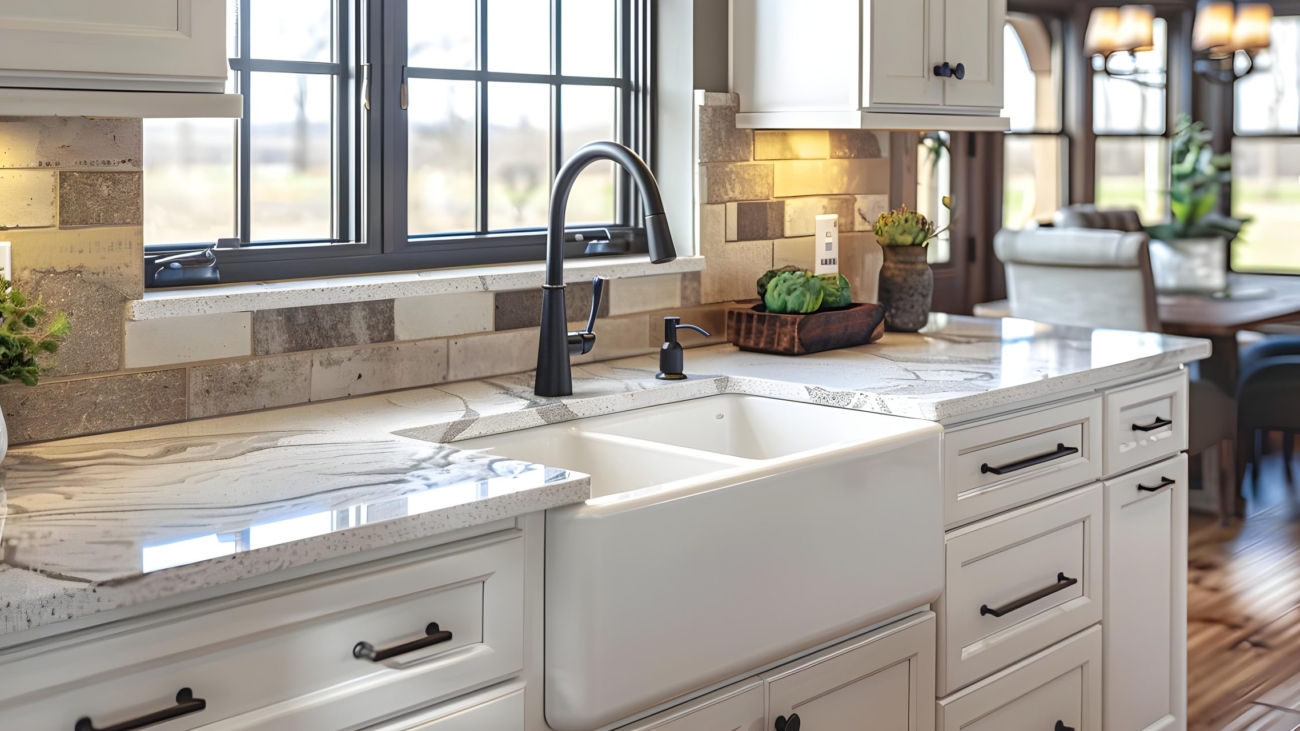
Remodeling 101: The Lowdown on Single-Bowl Vs. Double-Bowl Kitchen Sinks

When it comes to remodeling a kitchen, the choice of sink is more than a matter of style—it is a central element that influences functionality, workflow, and long-term satisfaction. Among the most common decisions homeowners face is whether to install a single-bowl or double-bowl sink. Each option carries its own set of advantages, drawbacks, and considerations, making it crucial to understand how they align with your cooking habits, household size, and overall kitchen layout. This comprehensive guide explores the key factors in choosing between single-bowl and double-bowl sinks, ensuring you make an informed decision for your remodel.

Understanding the Basics
A single-bowl sink consists of one large, uninterrupted basin. Its simplicity allows for ample space to wash large pots, pans, and baking sheets without obstruction. In contrast, a double-bowl sink is divided into two separate compartments, which can vary in size and configuration. This design enables multitasking, such as washing dishes in one bowl while rinsing vegetables in the other, providing enhanced organizational flexibility for busy kitchens.

Pros and Cons of Single-Bowl Sinks
Single-bowl sinks are often preferred for their minimalist appearance and unbroken workspace. They are especially practical in contemporary kitchen designs where a sleek, streamlined look is desired. Large cookware and oversized trays fit more easily, reducing frustration when cleaning bulky items. Single-bowl sinks also tend to require less countertop space in terms of plumbing layout, making them a suitable choice for kitchens where space is at a premium.

However, this design may limit multitasking capabilities. Washing dishes while simultaneously prepping food can be challenging, and in households that frequently entertain or manage high volumes of dishes, a single bowl may feel restrictive. Additionally, without a secondary compartment for disposal or organization, users may need additional accessories such as colanders or dish racks to compensate.

Pros and Cons of Double-Bowl Sinks
Double-bowl sinks offer remarkable versatility. One bowl can be used for soaking or washing dishes, while the other can handle food prep, such as rinsing fruits and vegetables. This separation enhances efficiency and hygiene, preventing cross-contamination between raw foods and dirty dishes. Double-bowl sinks are particularly advantageous for families or households that cook frequently and require dedicated zones for multiple tasks.

On the downside, the divider can limit the size of pots and pans that fit comfortably, and the smaller basins may require more effort when cleaning large items. Visually, double-bowl sinks may appear bulkier in smaller kitchens, and the additional plumbing can slightly increase installation complexity and cost.

Material Considerations
Beyond configuration, the material of your sink plays a significant role in performance and longevity. Stainless steel remains the most popular choice in American kitchens due to its durability, corrosion resistance, and ease of cleaning. Composite granite or quartz sinks offer a more substantial, tactile feel and can enhance aesthetic appeal, though they may require specialized maintenance. Porcelain and fireclay options provide a classic look but can be prone to chipping or staining over time. The material choice should complement not only the sink style but also your countertop, faucet, and overall kitchen design.

Workflow and Ergonomics
When evaluating single versus double bowls, consider the ergonomic impact on your kitchen workflow. In larger kitchens or open-concept layouts, a single-bowl sink may facilitate easier movement around the countertop. Double-bowl sinks, meanwhile, can help compartmentalize tasks, reduce clutter, and keep prep and cleanup separate. The height, depth, and positioning relative to dishwashers and prep zones also play a role in long-term comfort, especially in homes where multiple people share kitchen responsibilities.

Modern Accessories and Customization
Many modern sinks—both single and double—offer customizable features that enhance functionality. Cutting boards, colanders, drying racks, and integrated drain systems can transform your sink into a multifunctional workspace. Some double-bowl designs include unequal-sized compartments, allowing larger items to fit on one side while leaving the other for smaller prep tasks. Thoughtful integration of these accessories can mitigate some of the limitations inherent to each sink type, giving homeowners the best of both worlds.

Aesthetic and Design Impact
From a visual perspective, the choice between single- and double-bowl sinks can influence the overall aesthetic of your kitchen. Single-bowl sinks offer a clean, uninterrupted appearance, which complements modern, minimalist, or industrial designs. Double-bowl sinks, particularly those with farmhouse or apron fronts, can add a traditional or functional charm. Consider how the sink interacts with countertop materials, backsplash finishes, and cabinet styles to ensure a cohesive and harmonious design.

Making the Right Choice for Your Home
Ultimately, the decision between single-bowl and double-bowl sinks depends on your lifestyle, kitchen usage, and design preferences. Single-bowl sinks are ideal for those who prioritize simplicity, open space, and washing larger items with ease. Double-bowl sinks excel for multitasking households, family-oriented kitchens, and those who appreciate dedicated zones for prep and cleanup. By carefully weighing the functional and aesthetic factors outlined above, homeowners can select a sink that not only complements their kitchen remodel but also enhances daily living for years to come.

Conclusion
Choosing the right sink is more than a practical decision—it is a key element that shapes the efficiency, style, and enjoyment of your kitchen. Understanding the differences between single-bowl and double-bowl sinks, along with material options, ergonomic considerations, and design impact, allows homeowners to approach their remodel with confidence. Whether your priority is sleek modernity or functional versatility, selecting the right sink ensures your kitchen remains a space that is both beautiful and highly practical, meeting the demands of contemporary American households.

Current Obsessions: Do Not Disturb

In a world increasingly dominated by constant notifications, relentless schedules, and digital interruptions, the concept of “Do Not Disturb” has evolved beyond a simple phone setting—it has become a cultural phenomenon and a design ethos. From tech-free retreats to lifestyle habits and spatial design choices, modern individuals are seeking ways to reclaim focus, serenity, and uninterrupted time. This guide explores the current obsessions with “Do Not Disturb,” highlighting how people, technology, and home environments are adapting to protect mental clarity, enhance productivity, and cultivate personal well-being.

Redefining Privacy in the Digital Age
The digital landscape has made privacy both more necessary and more elusive. Smartphones, smart speakers, and social media platforms constantly demand attention, fragmenting our day and amplifying stress. Activating a “Do Not Disturb” mode is no longer a mere convenience; it is a conscious decision to set boundaries. This act symbolizes a broader cultural movement that prioritizes mental health and encourages intentional use of technology. Experts suggest combining these features with scheduled breaks, screen-time limits, and device-free zones to truly maximize the benefits of disconnection.

Home Design That Supports Serenity
Modern interiors are reflecting this obsession through spaces designed for tranquility and focus. Bedrooms, home offices, and reading nooks are increasingly curated to minimize sensory distractions. Neutral color palettes, natural light, soft acoustics, and minimalistic décor reduce mental clutter, creating environments that encourage calm and introspection. In some cases, dedicated “quiet rooms” or retreat corners within larger homes offer an oasis for meditation, reading, or creative work.

Tech Innovations That Enable Focus
Innovative tools are emerging to complement this lifestyle shift. Smart home devices now include programmable “quiet hours” for notifications, lighting, and sound, while apps offer modes that block social media, emails, and calls during periods of concentration. Noise-canceling headphones, white-noise machines, and AI-driven task management systems are helping professionals and creatives achieve uninterrupted work sessions without sacrificing connectivity when needed.

Fashion and Lifestyle Interpretations
The “Do Not Disturb” philosophy has also permeated lifestyle and fashion trends. Apparel, accessories, and home items feature subtle cues—like pins, signs, or clothing designs—that signal the wearer’s desire for personal space. Beyond functionality, these elements have become expressions of self-care, autonomy, and intention in social and professional settings. Hotels, spas, and coworking spaces now adopt “Do Not Disturb” branding to create environments that respect personal time and mental clarity, offering private areas for relaxation, wellness treatments, or focused work.

Psychological Benefits and Productivity Gains
The obsession with “Do Not Disturb” is not simply a reaction to digital overload; it reflects deeper psychological needs. Studies indicate that uninterrupted time enhances cognitive function, creativity, and problem-solving capabilities. Setting aside periods for focused work, reflection, or leisure reduces stress, prevents burnout, and fosters a sense of control over one’s environment. By prioritizing these moments, individuals are finding renewed energy, improved mental health, and a more balanced approach to daily life.

Cultural Shift Toward Intentional Living
At its core, the current fascination with “Do Not Disturb” represents a cultural shift toward intentional living. It underscores the importance of balance, personal boundaries, and mindful engagement with both technology and human interaction. From digital detoxes to minimalist home interiors, from private wellness retreats to focus-driven workplaces, this movement encourages people to reclaim time, mental space, and a sense of agency. It is a subtle rebellion against constant busyness and an embrace of calm, control, and presence.

Implementing Your Own “Do Not Disturb” Strategy
Adopting this mindset involves both practical steps and thoughtful design:

  • Technology Management: Schedule device-free times, silence notifications, and utilize focus apps to reduce interruptions.
  • Spatial Planning: Designate quiet zones in your home with calming décor, comfortable seating, and natural light.
  • Lifestyle Habits: Incorporate meditation, reading, or reflective journaling into your routine to reinforce mental clarity.
  • Communication Boundaries: Clearly signal availability to colleagues, family, and friends to protect your uninterrupted time.

Conclusion
“Do Not Disturb” is more than a mode—it is a philosophy that speaks to the contemporary desire for focus, privacy, and mental well-being. From home design and lifestyle habits to tech innovations and workplace norms, this obsession is shaping the way we live, work, and interact. By embracing the principles behind “Do Not Disturb,” individuals can cultivate calm, enhance productivity, and create meaningful, uninterrupted moments in a world that rarely pauses. Whether through mindful technology use, intentional interior spaces, or personal routines, the modern pursuit of solitude and focus has never been more relevant—or more necessary.

Swift Creatives Elevates Home Security with Sleek, Architecturally Inspired Cameras

Danish design studio Swift Creatives has reimagined home surveillance with a collection of modular CCTV cameras that blend functionality with playful sculptural forms. Inspired by whimsical “silly straws,” the Sculptural Surveillance system aims to make outdoor security both effective and visually engaging.

The system is crafted from powder-coated aluminum components, each with distinct shapes and functions that can be combined to create a bespoke surveillance solution for gardens, yards, or landscaped areas. Interchangeable heads allow users to integrate cameras, lighting, motion sensors, speakers, and tracing lamps, while the middle extender section can be customized in straight, bent, or wavy configurations.

“This concept not only redefines the practical use of home surveillance but also adds a touch of sculptural and architectural sophistication to outdoor spaces,” explained the Swift Creatives team.

Developed by the studio’s in-house innovation lab in Aarhus, Denmark, Sculptural Surveillance challenges the conventional, utilitarian aesthetics that dominate the modern security market. CEO Carsten Eriksen wanted a playful alternative to bulky, uninspiring CCTV cameras, which inspired the team to explore expressive forms. The resulting system ranges from tall, straight cameras capable of 360-degree rotation to looping, candy-cane-like shapes that double as design features.

Installation is straightforward, thanks to a screw fixture at the base suitable for earth, wood, or concrete. Prototypes have been deployed across Denmark to showcase their versatility and gauge public reaction, which Eriksen describes as “curious, excited, and genuinely enthusiastic.”

The colorful powder-coated aluminum modules make the cameras both durable and eye-catching. Swift Creatives, known for working with brands like LG, Panasonic, and Samsung, has previously designed a smart cooking system for restaurant-quality home meals and won Dezeen and Samsung’s top prize for a kinetic digital mobile featuring gently moving fish.

With Sculptural Surveillance, Swift Creatives proves that home security doesn’t have to be boring—it can be functional, customizable, and delightfully playful.

Discovering the Finger Lakes: Your Ultimate Relocation Guide to Upstate New York

Spring Into Action: Your Ultimate Home Maintenance Checklist for the Greater Rochester & Finger Lakes Area

Spring is almost here in the Greater Rochester and Finger Lakes region—the perfect time to breathe new life into your home after the long winter months. A little seasonal upkeep can go a long way in preventing costly repairs and keeping your home looking its absolute best.

To help you get started, we’ve created a comprehensive April Home Maintenance Checklist covering essential tasks to keep your home safe, efficient, and sparkling this spring. Below, you’ll also find practical tips for each task, tailored to homes in the Rochester and Finger Lakes area, ensuring your space stays in tip-top shape!

Garden & Landscape Prep

  • Plant seasonal flowers, veggies, and herbs – Enhance your outdoor space while boosting curb appeal. Spring is the perfect time to refresh your garden beds.
  • Plan for pest control – Catch potential problems early and use eco-friendly or chemical treatments as needed.
  • Mulch garden beds – Retain soil moisture, suppress weeds, and give your landscaping a polished look.
  • Prune trees and shrubs – Remove overgrown branches to promote healthy growth and prevent storm damage.
  • Inspect irrigation systems – Check for leaks, clogged nozzles, and proper water distribution.
  • Fertilize plants – Use the right fertilizer for each plant type to encourage vibrant growth and blooms.

Spring Exterior Refresh

  • Clean gutters – Remove leaves and debris to avoid water backup and foundation issues.
  • Check roof condition – Inspect shingles for damage and schedule repairs as needed. If your roof may need replacing, consider exploring available options.
  • Wash and inspect windows – Clean both inside and out, and replace damaged seals.
  • Start your lawn care routine – Rake leaves, aerate soil, and apply fertilizer for a lush, healthy lawn.
  • Power wash exterior surfaces – Refresh siding, decks, patios, and driveways from winter grime and mildew.
  • Repair walkways – Fix cracks and uneven surfaces to prevent accidents and boost curb appeal.
  • Service outdoor lighting – Replace burnt-out bulbs and consider energy-efficient LED upgrades.

Safety & Security Check

  • Test smoke and carbon monoxide detectors – Replace batteries and verify proper operation.
  • Review your home security system – Inspect cameras, door locks, and motion sensors for optimal performance.
  • Chimney inspection & cleaning – Schedule a professional cleaning to remove soot and prevent fire hazards.
  • Ensure functional outdoor lighting – Motion-sensor lights can enhance security around your home.
  • Emergency preparedness – Review escape routes, discuss procedures with family members, and restock first-aid kits, flashlights, batteries, and non-perishable food items.

HVAC System Transition

  • Replace HVAC filters – Improve indoor air quality and system efficiency.
  • Schedule a professional HVAC check-up – Ensure your system is ready for the warmer months and avoid unexpected breakdowns.
  • Clean and inspect air ducts – Remove dust and debris to enhance airflow.
  • Seal drafts – Use weatherstripping and caulk to maintain energy efficiency.
  • Test air conditioning units – Run your AC to detect any early issues.
  • Check insulation – Verify attic and wall insulation is adequate.
  • Program your thermostat – Optimize settings for comfort and energy savings.

Indoor Organization & Cleaning

  • Declutter living spaces – Donate, recycle, or discard items you no longer need.
  • Optimize your home office – Arrange furniture ergonomically and update equipment if needed.
  • Deep clean carpets and rugs – Steam cleaning removes allergens and embedded dirt.
  • Organize closets – Swap out winter clothes for spring attire and donate unused items.
  • Plan spring home improvements – List upgrades or renovations to enhance your living space.
  • Service appliances – Clean refrigerator coils, descale coffee makers, and inspect washers and dryers.
  • Replace batteries in essential devices – Ensure smoke detectors, flashlights, and remotes are powered up.

Plumbing Check-Up

  • Inspect faucets and pipes for leaks – Drips and water stains could signal larger issues.
  • Check your water heater – Flush the tank to remove sediment and improve efficiency.
  • Insulate exposed pipes – Protect against temperature fluctuations that may cause damage.
  • Examine hose connections – Ensure outdoor hoses are secure and leak-free.
  • Test the sump pump – Verify proper operation by pouring water into the pit.
  • Check toilets – Inspect flappers, fill valves, and seals to prevent leaks.
  • Clear clogged drains – Use a drain snake or eco-friendly cleaner to maintain smooth water flow.

By following this thorough checklist, you can ensure your home is safe, efficient, and ready to welcome the spring season. A well-maintained home not only provides comfort and peace of mind but also enhances property value and prevents unexpected expenses.

Take the time to refresh your home, enjoy the season, and embrace spring with confidence. Happy home maintenance!