
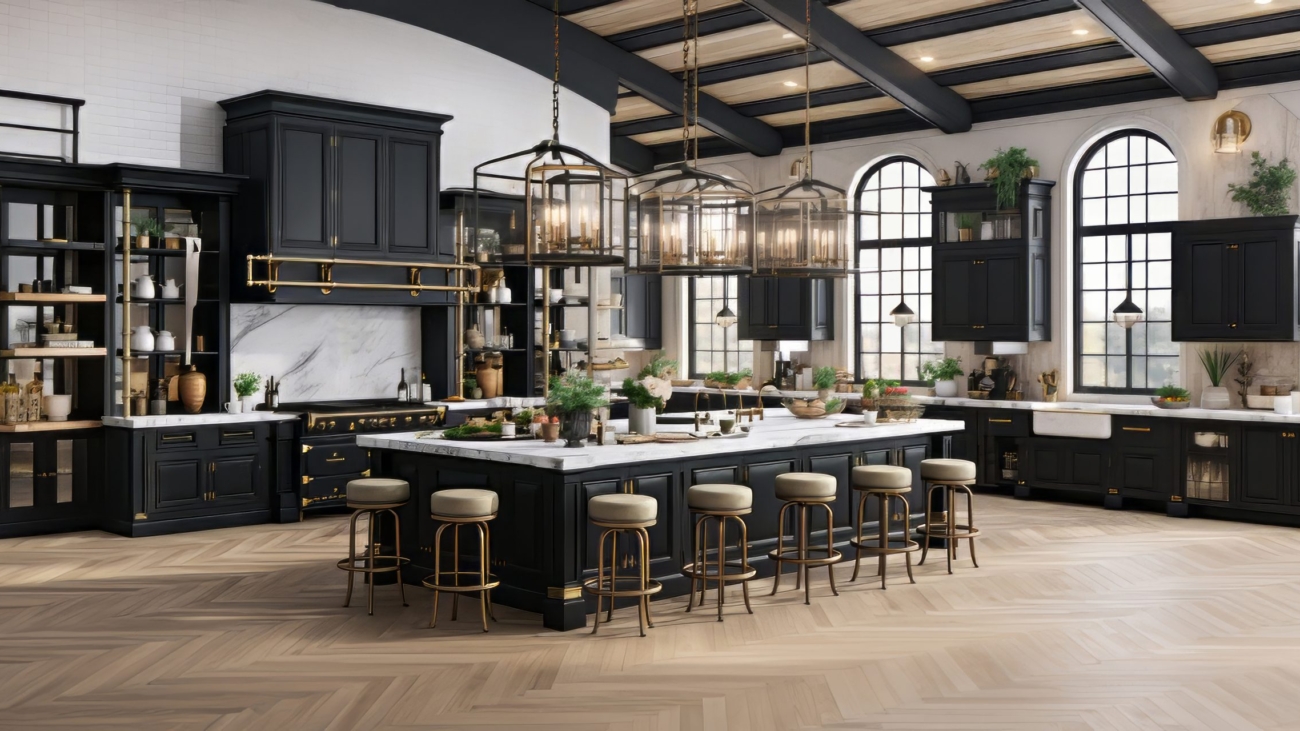
Kitchen of the Week: A Zesty Combination of Old and New by an Aspiring Interior Designer

Kitchens are often described as the heart of a home, and this week’s featured design exemplifies how thoughtful blending of old and new elements can transform a functional space into a vibrant, inspiring hub. Conceptualized by an emerging interior designer, this kitchen showcases a bold, inventive approach that balances contemporary innovations with classic touches, demonstrating that striking aesthetics and practical functionality can coexist seamlessly. The result is a space that feels both inviting and dynamic, reflecting a fresh perspective on modern kitchen design.

A Dialogue Between Eras
The defining feature of this kitchen is its nuanced interplay between historical charm and contemporary flair. Original architectural details—such as exposed brickwork, vintage moldings, or reclaimed wooden beams—anchor the design in tradition, providing warmth and texture that evoke a sense of history. Against this backdrop, sleek cabinetry, modern countertops, and state-of-the-art appliances introduce a clean, minimalist aesthetic, ensuring the space feels light, fresh, and highly functional. This delicate juxtaposition of old and new creates a layered, visually compelling environment where each element complements the other rather than competing for attention.

Functional Zoning and Workflow
Beyond aesthetics, the kitchen is designed with practicality at its core. Distinct zones for cooking, prep, and cleanup ensure efficient workflow for both everyday routines and entertaining. The layout strategically positions key elements—such as the stove, sink, and refrigerator—within easy reach, minimizing unnecessary steps and enhancing convenience. Storage solutions combine hidden compartments with open shelving, offering versatility while maintaining a visually clean appearance. Pull-out drawers, pantry organizers, and integrated appliance storage maximize functionality without sacrificing style, a hallmark of thoughtful design.

Materiality and Textural Contrast
A central theme in this kitchen is the strategic use of materials to create contrast and visual interest. Matte and high-gloss finishes coexist on cabinetry, while natural stone, wood, and metallic accents contribute both texture and warmth. The countertops, for instance, may pair a durable quartz surface with reclaimed wooden island panels, merging contemporary durability with rustic charm. Brass or copper hardware adds subtle sophistication, while backsplashes of patterned tiles or polished stone serve as focal points that enhance the character of the space. The careful layering of materials underscores the designer’s ability to harmonize diverse elements without creating visual clutter.

Lighting That Enhances Both Form and Function
Lighting is another critical component in the success of this design. The space utilizes layered lighting strategies that combine ambient, task, and accent illumination. Recessed ceiling fixtures provide overall brightness, while under-cabinet LED strips ensure optimal visibility for food preparation. Statement pendant lights above the island or dining area contribute sculptural interest, simultaneously drawing the eye and enhancing the room’s personality. The designer’s attention to light ensures that the kitchen feels vibrant and functional throughout the day, while highlighting key textures and design features.

Color Palette and Accents
The color palette strikes a careful balance between energetic vibrancy and enduring sophistication. Muted neutrals on walls and cabinetry provide a timeless foundation, while pops of bold color—such as a zesty green or a sun-kissed yellow on accent furniture, appliances, or decor—inject personality into the space. Accessories, from artisanal ceramics to strategically placed greenery, further enhance the lively yet cohesive aesthetic. This approach illustrates how thoughtful use of color can transform a kitchen from a purely utilitarian area into a vibrant, uplifting environment.

Incorporating Modern Technology
Despite its nod to tradition, the kitchen embraces modern technology to enhance convenience and efficiency. Integrated smart appliances, touchless faucets, and innovative storage solutions allow the space to meet contemporary expectations while remaining visually harmonious. The designer has managed to incorporate technology without undermining the charm of the classic architectural elements, proving that functionality and beauty can coexist seamlessly in modern kitchen design.

A Space for Social Connection
One of the most compelling aspects of this kitchen is its role as a social hub. The layout encourages interaction, with a central island or breakfast bar providing a casual gathering point for family or guests. Comfortable seating areas, combined with visually engaging design details, create a space that is as much about community and conversation as it is about cooking. This design demonstrates that a kitchen can be both highly functional and deeply inviting, fostering a sense of warmth and belonging.

Conclusion
This week’s kitchen exemplifies how an aspiring interior designer can reimagine a space by blending historical elements with modern innovation. The careful balance of textures, colors, and functional zones results in a kitchen that is visually striking, highly efficient, and entirely livable. It serves as a reminder that the most successful kitchen designs are those that respect the past while embracing the present—creating spaces that feel timeless, practical, and uniquely personal. By combining traditional charm with contemporary features, this kitchen achieves a dynamic, zesty aesthetic that inspires both homeowners and designers alike, proving that thoughtful design can elevate even the most everyday of spaces into something extraordinary.


The Quist: The King of Treehouses on Merry Hill in Herefordshire

Nestled amidst the lush greenery of Merry Hill in Herefordshire, The Quist stands as a remarkable testament to the art of treehouse design. More than a playful escape from the ordinary, this architectural gem blends innovation, sustainability, and refined craftsmanship to create an immersive experience in nature. Rising among the mature trees, The Quist offers both a sense of adventure and the tranquility of a secluded retreat, inviting visitors to reconnect with the outdoors while enjoying modern comforts.

A Vision Rooted in Nature
The design philosophy behind The Quist emphasizes harmony with the surrounding landscape. Unlike conventional structures that dominate their sites, this treehouse integrates seamlessly with the forested environment. Timber sourced from sustainable local woodlands forms the primary structure, while glass panels and open terraces allow natural light to permeate the interiors, offering panoramic views of the rolling Herefordshire countryside. This careful consideration of materiality and placement ensures minimal disruption to the natural ecosystem, highlighting how architecture can coexist with the environment.

Architectural Elegance and Structural Innovation
The Quist is not merely a functional treehouse; it is a feat of structural ingenuity. Supported by a combination of engineered beams and tree-friendly anchoring systems, the design balances safety, stability, and aesthetic appeal. The multi-level layout creates distinct zones for living, dining, and leisure, all connected by a network of suspended walkways and spiral staircases. From the moment visitors ascend, the sense of elevation and immersion in the forest canopy is palpable, turning every movement into an intimate encounter with nature.

Interiors that Blend Comfort and Adventure
Inside The Quist, the interiors marry rustic charm with contemporary luxury. Warm wood finishes, soft textiles, and tactile surfaces create a cozy, inviting atmosphere, while expansive windows frame views that change with the seasons. Flexible furniture arrangements allow the space to serve multiple purposes—from quiet reading nooks and family gatherings to creative retreats or social events. Subtle lighting and built-in storage solutions maintain the uncluttered aesthetic, ensuring the treehouse feels open and airy despite its vertical footprint.

Sustainability and Environmental Responsibility
Sustainability lies at the heart of The Quist’s design. Energy-efficient systems, rainwater collection, and solar panels contribute to a low-impact footprint, reflecting a growing trend in environmentally responsible architecture. The use of natural materials not only enhances visual appeal but also reduces reliance on nonrenewable resources. This holistic approach demonstrates that luxury, comfort, and ecological responsibility can coexist seamlessly in modern architectural projects.

A Unique Experience for Every Visitor
The Quist is more than an architectural marvel—it is an experiential destination. From morning sunlight streaming through the canopy to the serene sounds of rustling leaves at dusk, every moment within the treehouse offers a multisensory connection to nature. Outdoor terraces provide the perfect setting for morning coffee, stargazing, or simply enjoying the changing landscape, while indoor spaces offer warmth and shelter without compromising on openness or view.

Inspiration for Modern Treehouse Design
As a benchmark for contemporary treehouse architecture, The Quist inspires designers and enthusiasts alike. Its innovative use of space, structural sophistication, and environmental consciousness demonstrate how a treehouse can be elevated from a childhood fantasy into a sophisticated retreat. This project serves as a case study in balancing human comfort with ecological sensitivity, providing a template for future designs in forested or natural environments.

Conclusion
The Quist on Merry Hill in Herefordshire is a remarkable example of how architecture can transform the simple idea of a treehouse into a celebrated design icon. Its careful integration with nature, combined with structural innovation and luxurious yet sustainable interiors, makes it a standout destination for both visitors and design professionals. Whether approached as a place to unwind, a creative retreat, or a design inspiration, The Quist proves that modern treehouses can be both breathtaking and functional, redefining what it means to live among the trees.

Housing Society Share Certificates: Understanding Their Value and Importance

When you buy an apartment in a housing society, one of the most important documents you need to understand is the housing society share certificate. Many people confuse it with a property ownership document, but it serves a different, yet equally crucial, purpose. A share certificate confirms that you are a member of the housing society and own a share in it. In simple terms, it reflects your stake in the society that owns the building—not direct ownership of the apartment itself.

In today’s digital age, many housing societies now offer the convenience of applying for share certificates online, making the process faster, smoother, and more transparent. Let’s explore everything you need to know about housing society share certificates.

What Is a Housing Society Share Certificate?

A housing society share certificate is an official document issued by the society that confirms an individual owns shares in the society. It establishes your membership and legal rights within the cooperative society, even though it does not directly denote flat ownership.

This certificate is essential for:

  • Property sales – Required when selling your flat.
  • Ownership transfers – Needed to legally transfer membership to another person.
  • Home loan applications – Acts as proof of your stake in the society.

With digital advancements, many societies now allow members to apply online for their share certificates, providing ease and efficiency in accessing this key document.

Why a Housing Society Share Certificate Is Important

  1. Proof of membership – Confirms that you are a legal member of the society and part-owner of its cooperative structure.
  2. Essential for property transactions – Required when selling or transferring your flat.
  3. Legal documentation – Serves as a valid proof in property-related disputes or verification processes.
  4. Avoids delays – Without a certificate, property sales, registration, or legal clearances can be held up.
  5. Compliance verification – Confirms that you have completed all necessary formalities and received society approval.
  6. Represents your stake – Demonstrates your ownership share, ensuring voting rights and participation in society decisions.

Key Guidelines for Housing Society Share Certificates

  • Issuance timeline – Certificates should be issued within six months of property registration or membership approval.
  • Mandatory details – Must include the member’s name, flat number, number of shares owned, along with the society’s stamp and authorized signatures.
  • Single original copy – Only one original certificate is issued per member.
  • Lost or damaged certificate – Requires submitting an affidavit and FIR to obtain a duplicate.
  • Share transfer rules – Any transfer, whether by sale, inheritance, or gifting, must be approved by the society and updated in the official register.
  • Online applications – Members can apply online for convenience, but the final certificate must be printed, signed, and stamped to be legally valid.
  • Record maintenance – The society must maintain accurate records of all certificates issued and transferred.

Following these rules ensures legal and financial transparency and prevents disputes.

How to Apply for a Share Certificate Online

  1. Log in to the portal – Use your registered email or number to access the society’s digital platform.
  2. Navigate to the share certificate section – Usually under “Documents” or “Certificates.”
  3. Fill in required details – Include your name, flat number, purchase date, and other necessary information.
  4. Upload supporting documents – Typically includes sale deed, ID proof, and maintenance receipts.
  5. Submit your application – Double-check your information before submitting.
  6. Society review – The society verifies your documents and approves the request.
  7. Receive confirmation – You may get an acknowledgement or tracking number.
  8. Collect the physical certificate – The final certificate must be collected in person for official stamping and signature.

Common Challenges and Solutions

  • Delays in issuance – Often caused by incomplete documentation. Ensure all required documents are submitted properly.
  • Lost or misplaced certificates – File an FIR and submit an affidavit along with a formal application to obtain a duplicate.
  • Difficulty in transferring shares – Submit a formal transfer application with all proofs and ensure society approval.

What to Do If You Lose Your Share Certificate

Losing a share certificate may feel stressful, but the process is straightforward:

  1. File an FIR at the local police station and keep a copy for your records.
  2. Submit an affidavit stating the certificate is lost.
  3. Submit a formal application to the society.
  4. The society verifies details and may publish a notice before issuing a duplicate certificate.

Conclusion

A housing society share certificate is a critical document that validates your membership and legal rights within a cooperative society. While it does not denote ownership of the flat itself, it is essential for selling, transferring, or obtaining loans against the property.

With the convenience of online applications, obtaining a share certificate has become easier than ever. By following the correct procedures and maintaining proper documentation, society members can ensure legal compliance, transparency, and peace of mind.

Keeping Up With The Trends: Must Do’s to Sell a Home Quicker In Today’s Market

When selling a house, speed often becomes a top priority. However, the process can easily drag on and leave you waiting impatiently. Read on for must-do tips to sell your DC-area home as quickly as possible.

Cash offers are the express lane in the home-selling process. While they may not always maximize profit, they ensure a streamlined sale due to the absence of lender protocols. Something else to consider: Once you factor in maintenance costs and agent fees, a cash deal might closely match what you’d net from a traditional sale.

Home prices in Washington, D.C., are on a downward trend these days, providing advantages to homebuyers as the market adjusts in response to rising mortgage rates and reduced demand. And you can accelerate the sales timeline by pricing your home competitively. Understand its market value and consider marking it 15-20% below to potentially incite a bidding war among buyers.

First impressions are crucial, so make sure the exterior of your home is in pristine condition. 

Power wash or put a fresh coat of paint on your house to make it stand out. Repair any screen doors or window screens that may have holes or are unable to close properly.Take a close look at your front door. Does it stand out from the street? Front doors command the most attention when people pull up to your property, so if your door is old or dull, replace or paint it.  Remove any debris from your yard. A yard containing dead plants and tired mulch won’t have great curb appeal. Mowing the lawn and freshening up your landscaping can improve the value of your home and help you sell it faster. 

When potential buyers walk into your home, they need to imagine themselves living there, so clean it up! Toss out the stacks of magazines you have sitting on the floor and any clutter scattered across countertops. Take down personal items like family photos, awards, or personalized art. Keep it simple and neutral.

Buyers should feel the spaciousness of each room, so even if it feels too minimal for you, it will show better this way. Get out your cleaning supplies and scrub every corner of the house (or save yourself the hassle, and hire a cleaning crew). A spotless and clean home can significantly influence a buyer’s decision. 

The aroma inside your home is a small detail some people overlook. After all, a pleasant smell can enhance a home’s attractiveness. Use subtle scents like essential oils or fresh flowers to create a welcoming atmosphere. 

Fix any issues related to water damage, plumbing, or electrical work that could cause you to fail a home inspection.Refresh carpets and flooring. While you may not have the funds to replace the carpets entirely, a clean carpet can certainly transform a room, so have the carpets cleaned professionally and polish the hardwood floors.Other simple updates including fresh paint and new caulking can make a big difference.Consider updating the cabinet handles and kitchen appliances for a modern touch and a fast sale. After all, the kitchen is the most important room potential buyers are looking at because it’s the most used room in a house, and buyers these days are demanding a modern kitchen. Granite countertops, a nice backsplash, bright lighting, and custom cabinets are all important for this space.With a growing demand for eco-friendly homes, those with renewable energy options and sustainable materials are selling much faster. Upgrade your appliances, thermostat, lighting, and alarm system with more energy-efficient options.

Staging can significantly elevate the perception of your home. A well-staged home appeals to a wide demographic, ensuring it’s seen as welcoming and ready to move in.

Tips and Tricks for Making a Room Look Bigger

There are many reasons to want to make a small room look larger. Perhaps you want to make the most of your studio apartment, or you’re trying to sell your home and make the guest bedroom appear more spacious to entice larger families. A large room conveys openness, warmth, and a sense of welcoming. With a couple of strategic tweaks, you can make a small room do the same while maintaining a cozy feel.

Here are a few tips to make your room appear larger than life!

Strategically Plan Out Color

Color is a powerful tool in interior design. Stay away from medium shades and tones that wash out a room. Sticking to either very light or dark colors will produce contrast and add depth, which creates the illusion of space—and this job is all about illusion. Try a softer color if the room has more natural light. For those spaces lacking sunlight, use darker hues to enhance depth perception.

Painting Tips

After you decide on your perfect room color, you need to have a plan of action for painting the room. Here are a few techniques you can utilize to help trick the eye.

Stick with one color. When different colors are used, the eye automatically stops at the line where one color ends and another begins, creating boundaries in the room. When you use only one color, the space appears continuous.
Incorporate stripes. Horizontal stripes will make a wall appear longer, and vertical stripes will make it seem taller.
Don’t be afraid of white. When considering colors that make a room look bigger, white, in its many shades, is always an optimum choice. Its reflective qualities help open space and make it appear light and airy.

Focus on Proportions

If you have a small space to work with, you’ll want to scale everything down. Use sleek, smaller-scale furniture to keep the room from feeling crowded. This will help you optimize your floor space and traffic flow as well.

Are you the kind of person who lives by a “go big or go home” mantra? Then if, for example, you have a large sofa in a small living room, make that the focal point and limit the use of a lot of additional furniture pieces so as not to clutter the space. Since multiple pieces of large-scale furniture can often overwhelm a small room, you can try a statement piece of wall art as your one large piece instead. It will stand out and make the room feel bigger!

Keep it light and airy by allowing breathing room between the furniture and the walls. Avoid pushing all your furniture right up against the wall and give your pieces space (like end tables, for example) from the wall.

Find Creative Storage Options and Décor

Find creative ways to incorporate storage to make the most of your space. Use multi-functional furniture to kill two birds with one stone; fill the space without overcrowding it and cluttering it with eclectic stockpiles—try an ottoman with storage inside or drawers for under the bed.

Keep accents simplistic and minimal; choose a few pieces of medium to large scale art rather than copious smaller decorations. This will make the room feel full and rounded without crowding the walls. You could also try long curtains on the windows to make the ceilings appear higher.

Utilize Proper Lighting

When possible, always take advantage of a room’s natural light. If your small room lacks sunlight, then your best bet is to use lamps to spread the light evenly throughout the room and highlight the entirety of your space. Mirrors can also be used to create the illusion of openness because they reflect light and other views of the room, leading the eye to perceive more space.


EOI in Real Estate: A Smart Buyer’s Guide to Expressing Interest

Understanding EOI in Real Estate: What It Means and Why It Matters

When navigating the property market, you might come across the term EOI, especially in competitive or high-value transactions. EOI stands for Expression of Interest, a formal yet non-binding way for buyers to indicate their intent to purchase a property without entering into an official contract.

EOI is commonly used in commercial properties, luxury residential listings, and off-market deals. It gives sellers a glimpse into what buyers are willing to offer while giving buyers a chance to put forward their best proposal, including price, settlement terms, and other conditions.

What Is EOI in Real Estate?

An Expression of Interest (EOI) is a formal declaration by a prospective buyer expressing their interest in acquiring a property. While it includes important details such as the proposed price, payment terms, and other conditions, it is not legally binding.

Sellers often use EOI for high-value or off-market properties to assess genuine buyer interest before entering negotiations. This strategic step helps sellers filter serious buyers from casual inquiries and can pave the way for private, one-on-one negotiations.

Why Is EOI Important?

For buyers, submitting an EOI:

  • Demonstrates serious interest without being tied to a legal agreement.
  • Strengthens their position in competitive markets by showcasing readiness and financial capability.

For sellers, EOI:

  • Gauges market demand and filters out casual inquiries.
  • Shortlists serious offers based on price, conditions, and buyer readiness.
  • Encourages competitive proposals as multiple interested buyers compete for the property.

How the EOI Process Works

  1. Property Listing: The property is listed under an EOI campaign for a limited period.
  2. Submission of Offers: Interested buyers submit written offers, detailing price, conditions, settlement terms, and proof of funds.
  3. Confidential Review: EOIs are confidential and reviewed only by the seller and their agent.
  4. Shortlisting and Negotiation: The seller shortlists potential buyers and may request revised offers. Private negotiations follow.
  5. Final Contract: Neither party is obligated to accept or proceed until a formal contract is signed, at which point the agreement becomes legally binding.

Benefits of EOI

For Buyers:

  • Show serious intent: Formally expresses interest in purchasing the property.
  • Flexibility: Conditions and terms can be outlined without legal obligation.
  • Better negotiation opportunities: A strong EOI can open doors to direct negotiations with the seller.

For Developers and Sellers:

  • Gauge market demand: Helps evaluate buyer interest in a property.
  • Identify serious buyers: Filters genuine inquiries from casual lookers.
  • Encourages competitive offers: Multiple EOIs can drive up pricing and buyer interest.

Is EOI Legally Binding?

No. An EOI is not a legally binding contract. While it includes proposed price, terms, and conditions, it does not commit either party to a final agreement.

EOI vs Booking Amount: Key Differences

FactorEOI in Real EstateBooking Amount
NatureNot legally bindingBinding commitment with initial payment
StageInitial stage – before final agreementLater stage – after terms accepted
PaymentMay involve a refundable amountFixed and usually non-refundable
Legal StandingNot legally enforceablePart of the official sale agreement
PurposeGauge buyer interest and shortlist offersReserve the property
FlexibilityCan be withdrawn without penaltyCancellation charges may apply

Tips Before Submitting an EOI

  • Do your research: Know the property’s market value, condition, location, and legal status.
  • Understand the EOI: It is non-binding and only shows your interest with proposed terms.
  • Get finances in order: A pre-approved loan strengthens your offer.
  • Seek expert advice: Consult a real estate agent or legal advisor to structure a competitive and clear EOI.
  • Meet deadlines: EOIs submitted after the timeline may not be considered.

Conclusion

An Expression of Interest (EOI) is a smart and strategic tool in real estate transactions. It allows buyers to showcase genuine interest while giving sellers insights into serious prospects. By facilitating private negotiations and encouraging competitive offers, EOI can streamline the buying and selling process, leading to successful outcomes for both parties.

14 Times Noguchi Lamps Stole the Spotlight

Few pieces of modern design have achieved the timeless elegance and sculptural presence of the Noguchi lamp. Designed by the legendary Isamu Noguchi in 1951, the Noguchi table and floor lamps remain icons of mid-century modern design, celebrated for their harmonious blend of form, function, and artistry. Their simple yet striking construction—rice paper shades supported by elegant wooden bases—demonstrates how lighting can transcend mere utility to become a statement of aesthetic refinement. This blog explores fourteen instances where Noguchi lamps have taken center stage in interior design, proving their enduring allure and versatility in contemporary homes and commercial spaces alike.

1. Minimalist Living Rooms
In minimalist interiors, the Noguchi lamp serves as both a functional lighting source and a sculptural focal point. Its soft, diffused glow complements clean lines and neutral palettes, emphasizing calm and balance without competing with other elements. Placed beside a low-profile sofa or sleek lounge chair, the lamp enhances the room’s visual serenity.

2. Mid-Century Modern Classics
For enthusiasts of mid-century modern design, Noguchi lamps are a must-have. Their organic forms echo the era’s focus on simplicity, natural materials, and harmony between space and object. Positioned on a teak credenza or walnut side table, the lamp reinforces the warmth and sophistication of mid-century interiors.

3. Contemporary Elegance
In contemporary spaces, the lamp’s timeless silhouette bridges past and present. Its soft paper shade diffuses light evenly, creating ambiance in modern apartments or lofts with glass, metal, and concrete elements. The contrast between organic curves and sleek architecture underscores the lamp’s sculptural quality.

4. Artful Corners
Noguchi lamps excel in corners that demand subtle attention. A strategically placed floor lamp can illuminate an otherwise overlooked area while adding artistic intrigue. Whether next to a reading chair or a console table, the lamp transforms an unassuming space into an intentional design statement.

5. Boutique Hotels and Commercial Spaces
Luxury hotels and boutique commercial interiors often use Noguchi lamps to signal design sophistication. Their sculptural appeal enhances lobbies, guest rooms, and lounges, offering guests an experience that blends functionality with artistry. The lamp’s ability to complement diverse textures—from velvet upholstery to polished stone floors—makes it a versatile choice for curated environments.

6. Layered Lighting Schemes
The Noguchi lamp shines in layered lighting plans. Used alongside recessed lighting, pendant fixtures, or track lighting, it adds depth, warmth, and texture to a room. Its indirect illumination softens shadows and creates a welcoming ambiance, demonstrating that well-designed lighting is as much about mood as it is about visibility.

7. Office and Study Spaces
Even in work-focused environments, the lamp’s sculptural elegance elevates the space. On a minimalist desk or shelf, it provides gentle illumination without glare, blending practicality with aesthetic appeal. Designers often use it to inject warmth and artistry into otherwise sterile office interiors.

8. Gallery-Style Interiors
Noguchi lamps frequently appear in gallery-style homes and exhibition spaces. Their artistic form harmonizes with artwork, sculpture, and modern furniture, reinforcing the concept of lighting as a design object. In such settings, the lamp becomes part of a visual narrative rather than a background accessory.

9. Bold Color Accents
Though most Noguchi lamps feature natural wood and white paper, contemporary iterations with colored bases or shades allow them to act as subtle statement pieces. A pop of color can complement upholstery, rugs, or wall art, offering a sophisticated yet playful twist on the classic design.

10. Outdoor-Inspired Interiors
For interiors that incorporate natural textures—stone walls, wooden floors, and woven textiles—the lamp’s organic curves and soft glow amplify the sense of connection to the natural world. Its form harmonizes with earthy materials, making it a versatile choice for spaces seeking tranquility and balance.

11. Bedroom Ambiance
In bedrooms, the soft illumination of a Noguchi table lamp creates a serene, calming environment. Positioned on a nightstand, it provides sufficient reading light while contributing to a warm and inviting aesthetic. Its sculptural presence ensures that even functional furniture arrangements feel carefully curated.

12. Layered Texture Play
Designers often use Noguchi lamps to juxtapose textures—pairing the delicate paper shade with concrete, leather, or metal surfaces. This interplay highlights the lamp’s subtle beauty and emphasizes contrasts that elevate the overall design language of a room.

13. Statement Pairs
Using two Noguchi lamps symmetrically on either side of a sofa, bed, or console table creates a sense of harmony and rhythm. This pairing reinforces their sculptural impact, demonstrating how repetition and balance can amplify visual interest without overwhelming the space.

14. Timeless Investment Pieces
Above all, Noguchi lamps are enduring investments in design quality. Their timeless aesthetic, high craftsmanship, and universal appeal ensure that they remain relevant across decades, easily adapting to changing trends and interiors. Whether in traditional, modern, or eclectic settings, they consistently elevate the sophistication and refinement of a room.

Conclusion
Noguchi lamps embody the intersection of art and functionality, proving that lighting can be more than mere illumination. Their sculptural elegance, soft glow, and timeless versatility make them invaluable in both residential and commercial design. By thoughtfully integrating Noguchi lamps into your interior spaces, you can achieve a sense of balance, sophistication, and enduring style—lighting your rooms while simultaneously highlighting the beauty of design itself.

6 Renovation Projects for Boosting a Home’s Value Before You Sell

Renovating may be a lot of stress to take on, but it’s worth it when you keep in mind all of the amazing value it can add to your property. From updating your windows to keeping the property safe from flooding, there’s a lot the average homeowner can do to boost the house’s price.

These are some of the most valuable renovation projects you should do before listing your home for sale!

It may seem simple, but people judge a lot on a property from the way its roof looks. First, how old is the roof itself? Beyond that, when’s the last time the gutters were cleaned? If your home is on a property that has a lot of trees on it, it’s a good idea to install gutter guards so that you don’t have to worry about them filling up with leaves while you’re trying to sell the house.

Beyond just appearances, gutter guards also add value to your property since it saves buyers the amount of work they would have had to spend every year cleaning gutters when fall comes around. This saves everyone a lot of work and boosts your property’s value instantly.

Older windows can be a major issue for anyone trying to sell a property. Not only are they unsightly, but they also have problems allowing drafts and insect life into the home. Instead of letting windows ruin your home’s value, consider looking into window replacement inserts so that you can update these.

Seek out windows that can handle whatever weather your area has and that can seal your home’s interior away from any risk of boosting the heating and cooling bills.

Updated windows are a major selling point because buyers know it’ll save them money every month, plus it’s enticing for them to know they won’t have to update their windows again for another twenty to fifty years.

The exterior of your property tells a story to buyers: what story is it telling? Is the driveway stained and dark? Does the brick have horrible staining from years of pollen, or is the siding dirty and gross to look at?

You can rent a power washer for less than a hundred dollars a day and use it to scrub your home’s exterior, from steel siding to concrete paths, without any trouble besides hooking up the water. These are amazing because it gives you the chance to deep-clean your home’s exterior and make it look brand new so that buyers won’t have to think about how old it is when they arrive at the property.

Flooding is something that many are worried about, and currently, 12% of the properties in the USA are at risk. If you want to help your property’s chances and ensure buyers don’t have to worry, there are some steps you can take to protect it from standing water or flooding from rainfall.

One of the best landscape drainage solutions is covered ditches that run through your property and are only noticeable if someone is actively looking for them. These can be covered by pavers to make pleasant walking areas while also directing water away from your home.

You can also build a rain garden, which allows your soil to absorb as much water as possible, and adds a gorgeous look to any property. This can be more expensive to do since you have to buy, plant, and upkeep the plant life, but it’s worth it for all of the value it adds.

The home update that adds the best return on income is updating your garage door. You’ll get every cent you put into the garage door and even more just by editing it: and this also adds curb appeal on top of everything else. While you’re at it, take the time to update your garage into a beautiful work and storage space. Adding vertical storage, a great waterproof garage floor, and updating the lighting in this area can make a garage feel brand new.

Smart homes have been an obsession on the American public’s minds for the last hundred years, so it makes sense that everyone still wants one! The average home for sale should have one key piece of smart technology built into them to be alluring. This is a smart thermostat, which allows homeowners to control their temperature, and, therefore, their heating and cooling bill, regardless of where they are in the world.

Whether this is a home you’ve owned for years and you’re updating it finally to sell, or you’re flipping this property and moving on to another property you want to convert, it’s a great idea to update it with your return on investment in mind. Try a couple of these great options, and your property’s value can skyrocket! All of these projects can really help a property stand out when staging it to sell as well.

5 Compelling Reasons a Brand-New Home Might Be Your Best Move

Picture this: You walk up to the front door of your dream home. The lawn is lush and green, carefully landscaped with vibrant flowers that bloom on your porch, and the sun casts a warm glow over the freshly painted exterior. You step inside a brand-new home, one thoughtfully designed with your style, comfort, and lifestyle in mind. There’s something magical about owning a home that feels completely yours—and the benefits go far beyond aesthetics. Let’s explore why buying a brand-new home can be a smarter, more rewarding choice than renting.

1. Energy Efficiency That Saves You Money
Newly built homes are often far more energy-efficient than older properties. With modern insulation, sustainable building materials, and the latest energy-saving technology, these homes can significantly reduce your utility bills over time. From high-efficiency HVAC systems to energy-smart windows and LED lighting, every detail is designed to help you save money while lowering your environmental footprint. Over the years, these savings can add up to a substantial financial advantage.

2. Tax Benefits You Can Leverage
Owning a home opens the door to valuable tax benefits. For many homeowners, the interest paid on a mortgage is deductible—a financial perk that renters simply don’t receive. This can make homeownership more affordable than it initially appears, giving you a tangible return on your investment while you build equity in a property that’s all yours.

3. A Space That Truly Reflects You
One of the greatest joys of a brand-new home is the freedom to make it entirely your own. Unlike renting, where landlords set limits on modifications, homeownership allows you to personalize your space from top to bottom. Paint the walls your favorite colors, install shelving, or create a dream kitchen—you decide the style, layout, and vibe. Your home becomes a true extension of your personality, a place that feels uniquely “you.”

For inspiration, explore the latest trends in home design for 2025 and see how your vision can come to life in your own space.

4. Community and Connection
Owning a home isn’t just about the structure itself—it’s about the community around it. A new home means putting down roots, establishing relationships with neighbors, and creating a sense of belonging. Whether it’s joining local events, volunteering, or simply getting to know the people on your street, homeownership provides opportunities to build lasting connections in your community.

5. Building Equity and Financial Security
Every mortgage payment brings you closer to full ownership and increases your equity—the financial stake you hold in your home. Unlike rent payments, which go straight to a landlord, every dollar you invest in your home is building your wealth and providing you with future financial flexibility. Equity can give you options: leveraging it for renovations, using it as a down payment for your next home, or even tapping into it in retirement. Owning a home is not just a place to live; it’s a long-term financial strategy that grows with you.

Owning a brand-new home is more than a lifestyle choice—it’s an investment in your comfort, security, and future. From energy savings and tax perks to creative freedom and community connections, the advantages are tangible and lasting.

At Taylor Morrison, we’re committed to making your homebuying journey seamless, enjoyable, and tailored to your needs. Every detail is crafted to ensure your home isn’t just a house—it’s a place you’ll love to live, a space where memories are made, and a foundation for your future.