
The Secret To Choosing The Right Paint Color for Home Stagers

Choosing the right paint color is one of the most crucial and challenging decisions in home staging. Over 40% of paint sold is the wrong color the first time! It’s a common struggle.

Just think about it: a single paint deck holds over 1,200 colors. No wonder most people feel overwhelmed!

But as a home stager and color consultant, you have the power to guide clients to the right choice, saving them time, money, and frustration. The right colors can transform a home, making it feel larger, brighter, and more inviting – helping it sell faster and for top dollar.

The Psychology of Color in Staging

Color has a profound impact on emotions and perceptions. It can influence how people feel in a space and how they interact with it. For example:

Warm colors like red and yellow create a cozy, inviting atmosphere.
Cool colors like blue and green promote relaxation and calm.
Bright, vibrant colors energize a room, making it feel lively and cheerful.

In home staging, the goal is to strike a balance. Neutral enough to appeal to a wide range of buyers but not so bland that it lacks personality.

A sea of beige can feel uninspiring. But a home with too many taste-specific colors can turn buyers away. That’s why finding the perfect neutral paint color is key.

The Three Keys to Understand and Define Color

Most people struggle to see subtle differences in color, especially on small paint swatches. That’s why understanding three key ways to define color will help you make the right choices.

  1. Light vs. Dark or Tints vs. Shades

This refers to the amount of white or black in a color—also known as its tint (adding white) or shade (adding black).

For example, let’s look at Sherwin Williams’ Cocoa Whip (SW9084). It’s darker than Realist Beige (SW6078) but lighter than Sable (SW6083).

On a paint strip, you’ll see different tints and shades of the same hue. Why does this matter? Darker colors recede, making a space feel smaller and cozier. Lighter colors advance, making a space feel more open.

  1. Warm vs. Cool Tones

This refers to whether a color has more yellow or blue undertones.

Warm colors (reds, oranges, yellows) feel cozy and inviting. Cool colors (blues, greens, purples) feel refreshing and calming.

You’ll want to consider the direction a room faces, too. This can also influence how color reads.

North-facing rooms receive cooler light, so warm tones can balance it out. South-facing rooms get warm light, so cooler tones can keep the space from feeling too hot.

  1. Clean vs. Dirty or Vibrant vs. Muted Colors

This is the trickiest, but possibly the most important, way to define color.

Clean colors are pure and vibrant. Dirty colors are muted with hints of gray or brown.

When clean and dirty colors are mixed incorrectly, something feels “off.”

Knowing how to balance clean and dirty colors is crucial to making a home feel fresh and modern.

Staging pro tip: Colors that are a little “dirtier” can often feel more expensive. If a space feels like it is lacking a luxury quality, ask yourself if the colors in the room are too “clean.”

By mastering paint color selection, you become the expert that homeowners and agents turn to for guidance—before they make costly mistakes.

These are all our favorite paints (white included)!

Pro Tips for Selecting Paint Colors for Staging

✔️ Stick to soft, muted tones – Avoid highly saturated colors.

✔️ Use contrast to add depth – Pair light walls with dark accents.

✔️ ️ Test colors in the actual space – Paint swatches on poster board, not directly on the wall.

✔️ Choose finishes wisely – Flat for ceilings, eggshell for walls, semi-gloss for trim.

Become the Color Expert Homeowners Trust

As a home stager, understanding color theory gives you a major competitive edge. You’ll be able to:

✅ Choose the perfect neutral without guessing.

✅ Guide sellers to smart color choices that increase home value.

✅ Avoid common color mistakes that turn buyers off.

The Advantages of Staging Your Commercial Office Space

Your home isn’t the only place that can benefit from professional staging. Commercial property staging provides a better impression to potential tenants than the usual viewing of empty, vacant space. A commercial office space for sale has a lot of potential to create a productive and desirable atmosphere when the right staging techniques are applied.

Here are the advantages of staging your commercial office space to get the most desirable offer!

If you have an empty open office, adding desks and furniture that show the potential of the space will help tenants visualize the functionality of the room. Like home staging, commercial staging entices potential tenants with the possibilities of the space. Creating an atmosphere that inspires prospective tenants to visualize their own business is how you get the space to sell quickly.

Quality office spaces are hard to come by. Staging your commercial office ensures your property will stand out prominently and favorably against other commercial properties for lease or sale. Potential tenants believe they are seeing a quality product, which encourages them to move faster on securing a deal.

It’s important to remember that most commercial spaces for rent or sale are advertised online, and images of the space will be shown. If your office is not professionally staged, how do you expect people to get excited about a large empty room? They will quickly scroll past your posting and click on another commercial office for sale that shows a beautifully put-together space. Humans are visual creatures, and many people lack the creativity to imagine the potential of an empty room; they need to see it laid out in front of them already put together.

14 Times Noguchi Lamps Stole the Spotlight

Few pieces of modern design have achieved the timeless elegance and sculptural presence of the Noguchi lamp. Designed by the legendary Isamu Noguchi in 1951, the Noguchi table and floor lamps remain icons of mid-century modern design, celebrated for their harmonious blend of form, function, and artistry. Their simple yet striking construction—rice paper shades supported by elegant wooden bases—demonstrates how lighting can transcend mere utility to become a statement of aesthetic refinement. This blog explores fourteen instances where Noguchi lamps have taken center stage in interior design, proving their enduring allure and versatility in contemporary homes and commercial spaces alike.

1. Minimalist Living Rooms
In minimalist interiors, the Noguchi lamp serves as both a functional lighting source and a sculptural focal point. Its soft, diffused glow complements clean lines and neutral palettes, emphasizing calm and balance without competing with other elements. Placed beside a low-profile sofa or sleek lounge chair, the lamp enhances the room’s visual serenity.

2. Mid-Century Modern Classics
For enthusiasts of mid-century modern design, Noguchi lamps are a must-have. Their organic forms echo the era’s focus on simplicity, natural materials, and harmony between space and object. Positioned on a teak credenza or walnut side table, the lamp reinforces the warmth and sophistication of mid-century interiors.

3. Contemporary Elegance
In contemporary spaces, the lamp’s timeless silhouette bridges past and present. Its soft paper shade diffuses light evenly, creating ambiance in modern apartments or lofts with glass, metal, and concrete elements. The contrast between organic curves and sleek architecture underscores the lamp’s sculptural quality.

4. Artful Corners
Noguchi lamps excel in corners that demand subtle attention. A strategically placed floor lamp can illuminate an otherwise overlooked area while adding artistic intrigue. Whether next to a reading chair or a console table, the lamp transforms an unassuming space into an intentional design statement.

5. Boutique Hotels and Commercial Spaces
Luxury hotels and boutique commercial interiors often use Noguchi lamps to signal design sophistication. Their sculptural appeal enhances lobbies, guest rooms, and lounges, offering guests an experience that blends functionality with artistry. The lamp’s ability to complement diverse textures—from velvet upholstery to polished stone floors—makes it a versatile choice for curated environments.

6. Layered Lighting Schemes
The Noguchi lamp shines in layered lighting plans. Used alongside recessed lighting, pendant fixtures, or track lighting, it adds depth, warmth, and texture to a room. Its indirect illumination softens shadows and creates a welcoming ambiance, demonstrating that well-designed lighting is as much about mood as it is about visibility.

7. Office and Study Spaces
Even in work-focused environments, the lamp’s sculptural elegance elevates the space. On a minimalist desk or shelf, it provides gentle illumination without glare, blending practicality with aesthetic appeal. Designers often use it to inject warmth and artistry into otherwise sterile office interiors.

8. Gallery-Style Interiors
Noguchi lamps frequently appear in gallery-style homes and exhibition spaces. Their artistic form harmonizes with artwork, sculpture, and modern furniture, reinforcing the concept of lighting as a design object. In such settings, the lamp becomes part of a visual narrative rather than a background accessory.

9. Bold Color Accents
Though most Noguchi lamps feature natural wood and white paper, contemporary iterations with colored bases or shades allow them to act as subtle statement pieces. A pop of color can complement upholstery, rugs, or wall art, offering a sophisticated yet playful twist on the classic design.

10. Outdoor-Inspired Interiors
For interiors that incorporate natural textures—stone walls, wooden floors, and woven textiles—the lamp’s organic curves and soft glow amplify the sense of connection to the natural world. Its form harmonizes with earthy materials, making it a versatile choice for spaces seeking tranquility and balance.

11. Bedroom Ambiance
In bedrooms, the soft illumination of a Noguchi table lamp creates a serene, calming environment. Positioned on a nightstand, it provides sufficient reading light while contributing to a warm and inviting aesthetic. Its sculptural presence ensures that even functional furniture arrangements feel carefully curated.

12. Layered Texture Play
Designers often use Noguchi lamps to juxtapose textures—pairing the delicate paper shade with concrete, leather, or metal surfaces. This interplay highlights the lamp’s subtle beauty and emphasizes contrasts that elevate the overall design language of a room.

13. Statement Pairs
Using two Noguchi lamps symmetrically on either side of a sofa, bed, or console table creates a sense of harmony and rhythm. This pairing reinforces their sculptural impact, demonstrating how repetition and balance can amplify visual interest without overwhelming the space.

14. Timeless Investment Pieces
Above all, Noguchi lamps are enduring investments in design quality. Their timeless aesthetic, high craftsmanship, and universal appeal ensure that they remain relevant across decades, easily adapting to changing trends and interiors. Whether in traditional, modern, or eclectic settings, they consistently elevate the sophistication and refinement of a room.

Conclusion
Noguchi lamps embody the intersection of art and functionality, proving that lighting can be more than mere illumination. Their sculptural elegance, soft glow, and timeless versatility make them invaluable in both residential and commercial design. By thoughtfully integrating Noguchi lamps into your interior spaces, you can achieve a sense of balance, sophistication, and enduring style—lighting your rooms while simultaneously highlighting the beauty of design itself.

EOI in Real Estate: A Smart Buyer’s Guide to Expressing Interest

Understanding EOI in Real Estate: What It Means and Why It Matters

When navigating the property market, you might come across the term EOI, especially in competitive or high-value transactions. EOI stands for Expression of Interest, a formal yet non-binding way for buyers to indicate their intent to purchase a property without entering into an official contract.

EOI is commonly used in commercial properties, luxury residential listings, and off-market deals. It gives sellers a glimpse into what buyers are willing to offer while giving buyers a chance to put forward their best proposal, including price, settlement terms, and other conditions.

What Is EOI in Real Estate?

An Expression of Interest (EOI) is a formal declaration by a prospective buyer expressing their interest in acquiring a property. While it includes important details such as the proposed price, payment terms, and other conditions, it is not legally binding.

Sellers often use EOI for high-value or off-market properties to assess genuine buyer interest before entering negotiations. This strategic step helps sellers filter serious buyers from casual inquiries and can pave the way for private, one-on-one negotiations.

Why Is EOI Important?

For buyers, submitting an EOI:

  • Demonstrates serious interest without being tied to a legal agreement.
  • Strengthens their position in competitive markets by showcasing readiness and financial capability.

For sellers, EOI:

  • Gauges market demand and filters out casual inquiries.
  • Shortlists serious offers based on price, conditions, and buyer readiness.
  • Encourages competitive proposals as multiple interested buyers compete for the property.

How the EOI Process Works

  1. Property Listing: The property is listed under an EOI campaign for a limited period.
  2. Submission of Offers: Interested buyers submit written offers, detailing price, conditions, settlement terms, and proof of funds.
  3. Confidential Review: EOIs are confidential and reviewed only by the seller and their agent.
  4. Shortlisting and Negotiation: The seller shortlists potential buyers and may request revised offers. Private negotiations follow.
  5. Final Contract: Neither party is obligated to accept or proceed until a formal contract is signed, at which point the agreement becomes legally binding.

Benefits of EOI

For Buyers:

  • Show serious intent: Formally expresses interest in purchasing the property.
  • Flexibility: Conditions and terms can be outlined without legal obligation.
  • Better negotiation opportunities: A strong EOI can open doors to direct negotiations with the seller.

For Developers and Sellers:

  • Gauge market demand: Helps evaluate buyer interest in a property.
  • Identify serious buyers: Filters genuine inquiries from casual lookers.
  • Encourages competitive offers: Multiple EOIs can drive up pricing and buyer interest.

Is EOI Legally Binding?

No. An EOI is not a legally binding contract. While it includes proposed price, terms, and conditions, it does not commit either party to a final agreement.

EOI vs Booking Amount: Key Differences

FactorEOI in Real EstateBooking Amount
NatureNot legally bindingBinding commitment with initial payment
StageInitial stage – before final agreementLater stage – after terms accepted
PaymentMay involve a refundable amountFixed and usually non-refundable
Legal StandingNot legally enforceablePart of the official sale agreement
PurposeGauge buyer interest and shortlist offersReserve the property
FlexibilityCan be withdrawn without penaltyCancellation charges may apply

Tips Before Submitting an EOI

  • Do your research: Know the property’s market value, condition, location, and legal status.
  • Understand the EOI: It is non-binding and only shows your interest with proposed terms.
  • Get finances in order: A pre-approved loan strengthens your offer.
  • Seek expert advice: Consult a real estate agent or legal advisor to structure a competitive and clear EOI.
  • Meet deadlines: EOIs submitted after the timeline may not be considered.

Conclusion

An Expression of Interest (EOI) is a smart and strategic tool in real estate transactions. It allows buyers to showcase genuine interest while giving sellers insights into serious prospects. By facilitating private negotiations and encouraging competitive offers, EOI can streamline the buying and selling process, leading to successful outcomes for both parties.

Maximizing Your Home’s Curb Appeal: Exterior Staging Tips for a Fast Sale

When selling your home, first impressions are everything. Before a potential buyer steps through your door, they’ve already formed an opinion based on the exterior of your home. This is where the concept of curb appeal comes into play. Enhancing your home’s curb appeal can not only attract more buyers but also potentially increase the sale price. Here are essential tips to stage the exterior of your home effectively, ensuring it makes a memorable first impression.

1. Focus on Landscaping

Landscaping is one of the first things potential buyers will notice. Well-maintained yards signal to buyers that the rest of the property is likely cared for with the same diligence.

Trim and Shape: Keep your lawn trimmed and edges neat. Bushes should be pruned and flowerbeds weeded. Use mulch to define spaces and give a clean look. Refresh any areas with older mulch with a new, fresh layer of new mulch. Replace plants/shrubs that are diseased or dead with live ones and consider filling in blank areas with new plantings.

Color and Texture: Plant flowers and shrubs or group potted plants near the entryway. Use colors that complement the exterior of your home for a cohesive look. Seasonal flowers can add vibrancy and warmth.

Lawn Health: Ensure your lawn is healthy and green. Address any bare spots or discolored areas with appropriate treatments or sod.

2. Enhance the Entryway

Your front door and entryway are the focal points of your home’s exterior. Make them inviting to give a positive preview of what’s inside.

Door Makeover: If your door is old or faded, a fresh coat of paint will bring it new life.. If it is dented or damaged, this is the time to replace it.  Choose a bold color that contrasts nicely with the rest of your home’s exterior to make it pop and provide visual interest in your photos.

Hardware and Fixtures: Update door knobs, house numbers, and light fixtures. Modern hardware can transform the look of your entryway without substantial investments.

Welcome Mat and Decor: Use a new, clean welcome mat and, if there is room, an outdoor bench and/or pot with a plant by the door as this will create a welcoming entry to your home.

3. Upgrade Lighting

Good lighting ensures that your home looks welcoming and safe. It also allows evening viewers to appreciate your home’s exterior.

Pathway Lights: Install low-voltage or solar landscape lighting along the walkway to your door to enhance safety and aesthetics.

Porch Lighting: Ensure that the porch or entryway is well-lit with fixtures that complement the style of your home. Consider adding hanging chandelier style fixtures or pendant lights.

Accent Lighting: Use spotlights to highlight architectural features or landscaping elements, such as beautiful trees or your home’s facade.

4. Refresh Paint and Siding

The condition of your home’s paint and siding plays a significant role in curb appeal. Peeling or chipped paint can signal neglect.

Paint Touch-Ups: A fresh coat of paint can be transformative. If a complete repaint isn’t needed, focus on touch-ups for shutters, trims, and fascias.

Clean the Siding: Wash the siding to remove dirt and grime. For vinyl or brick, a power wash can restore the appearance significantly.

Paint any additional exterior doors: Beyond just your front door, don’t neglect your back door and, if applicable your garage door. These often need a fresh coat of paint and will look fresh and new once they have been addressed.

5. Consider the Roof

Don’t overlook the condition of your roof. It’s a large part of what buyers see from the street.

Clean or Replace: Clean moss and debris from the roof. If your roof is old or damaged, consider replacing it before listing your home. This can be a significant selling point.

6. Accessorize Thoughtfully

Like interior staging, the right accessories can enhance your home’s exterior.

Outdoor Furniture: If you have a porch or patio, showcase these areas with attractive outdoor furniture. Arrange seating areas that invite relaxation. Is there an area of your yard or outdoor space that you can showcase that currently is going unnoticed? Perhaps there is a corner that could become a fire pit/conversation area or a place for a bistro table and chair. Look around and make sure you are capturing the full potential of your yard and outdoor space. If you have a balcony, make sure to give it a function with some furnishings– don’t leave it empty.

Decorative Elements: Use outdoor decorative pillows, an outdoor rug, lanterns and candles as well as pots of plants to accessorize these areas completely, creating a space that buyers will be drawn to and can envision enjoying. These elements should complement the home’s style and not overwhelm the space.

7. Regular Maintenance

Leading up to and during the listing period, regular maintenance is key.

Keep It Clean: Regularly sweep walkways, clean windows, and maintain the yard.

Seasonal Adjustments: Adapt your curb appeal strategies to the season. Ensure pathways are clear of snow in winter, leaves are raked in fall, and weeds are kept at bay in the summer.

By investing time and effort into enhancing your home’s curb appeal, you not only increase the likelihood of attracting potential buyers but also set the stage for a successful and speedy sale. Remember, the goal is to make potential buyers fall in love at first sight, and these tips will help you do just that.

Non-Occupancy Charges in Housing Societies: A Complete Guide for Owners

Owning a flat in a housing society comes with responsibilities, even if you don’t live there. One such responsibility is paying non-occupancy charges. These fees are levied by the housing society to cover additional maintenance and management efforts required for flats that are vacant or rented out. Understanding how non-occupancy charges work is essential if you retain ownership but live elsewhere. Each society sets its own rules and rates, guided by local co-operative housing laws.

Whether you plan to rent your flat or keep it unoccupied, knowing the details of non-occupancy charges can help you manage your finances wisely and avoid disputes with the society committee.

What Are Non-Occupancy Charges?

Non-occupancy charges are fees collected from flat owners who do not reside in their property. Whether the flat is rented or left vacant, owners pay these charges to help the society cover extra administrative and maintenance costs.

Why Do Societies Collect Non-Occupancy Charges?

Housing societies collect these charges to ensure fair financial contribution from owners who don’t live in their flats. Even if a flat is empty or rented, it still uses common amenities such as water, security, and shared spaces.

Non-occupancy charges help:

  • Cover additional maintenance and management costs
  • Prevent resident members from bearing extra financial burdens
  • Ensure smooth functioning of the society’s infrastructure

Legal Perspective on Non-Occupancy Charges

Non-occupancy charges are recognized under the Cooperative Societies Act and corresponding state rules in India. Societies are legally allowed to levy these charges but within limits to prevent overcharging non-resident owners.

For example, Maharashtra Cooperative Societies guidelines cap non-occupancy charges at 10% of the regular service charges. Societies must mention the structure of these charges in their bylaws. Owners can legally challenge any unfair charges, making it important for both the society and owners to understand their rights.

How Are Non-Occupancy Charges Calculated?

Non-occupancy charges are usually calculated as a percentage of the standard maintenance charges. Most societies add 10% to the regular monthly service charges for flats that are vacant or rented.

It’s important to note:

  • Charges typically do not apply if the flat is occupied by the owner’s family.
  • Each society must specify the calculation method in its bylaws.

When and How Are These Charges Applied?

Non-occupancy charges are applied when the society is officially notified that the flat is vacant or rented. Typically, societies ask owners to declare whether they are residing in the apartment or if it is tenant-occupied.

Key points:

  • Charges may start from the month the flat is rented out.
  • Some societies provide a grace period before imposing the charges on vacant flats.
  • If the owner’s immediate family resides in the property, charges may be waived.

Tips for Homeowners to Handle Non-Occupancy Charges Efficiently

  • Read the bylaws carefully: Understand how charges are calculated and applied.
  • Notify the society in writing: Inform them if your flat is vacant or rented, including tenant details if required.
  • Maintain communication: Politely raise concerns if you believe charges are wrongly applied.
  • Check maintenance bills: Review monthly bills to ensure non-occupancy charges are correct.
  • Submit proof for exemptions: If your family occupies the flat, provide evidence to request a waiver.
  • Keep records: Maintain copies of all communications to avoid future disputes.

Conclusion

Non-occupancy charges are a key aspect of housing society management, ensuring that maintenance, security, and administrative costs are shared fairly among residents and non-residents. By understanding these charges, staying updated on your society’s bylaws, and maintaining clear communication with the committee, you can manage your finances smartly and prevent unnecessary disputes. With proper planning, non-occupancy charges need not become a burden.

Top Tips for Selling Your Home in the Summer

Each real estate season is unique and requires different tactics to ensure a sale. Summer is a season for buying and selling a home, and real estate is usually blooming during this time of year. Parents with children want to get settled in a new home before the school year begins, and many people have more time on their hands to search and decide on the perfect place to live.

Here are a few tips for selling your home this summer season!

A great benefit of selling during summer is the opportunity to show off the outdoor living space. Now is the time to clean off that patio furniture and arrange a comfortable setting your buyers could see themselves using. You may even have some indoor decorations or furniture that would look perfect on the patio or deck. If your property has a pool or grilling patio, highlight them during tours.

Spend some time walking around the property, thinking about how to create the best curb appeal. Mow the lawn at least once per week, trim those bushes, and plant some flowers, anything to make the home and yard look more inviting.

Most people expect a home to be air-conditioned in the summer. This is true whether you have window units, central forced air, or mini-split heat pumps that double as air conditioners.

So, come hotter weather and home showings, you want to ensure that your HVAC system can keep your home cool. If it’s been a while since they’ve been serviced, get a technician in for any tune-ups. That way, you can feel confident that the temperature inside your home is comfortable during showings and open houses.

There are many ways you could decorate to give your home a warmer vibe for summer. Natural light is key, so keep any curtains and blinds open for sunlight to flow through the home. Accenting your décor with plants, flowers, and bowls of fresh fruit can also help provide a more organic summer feel.

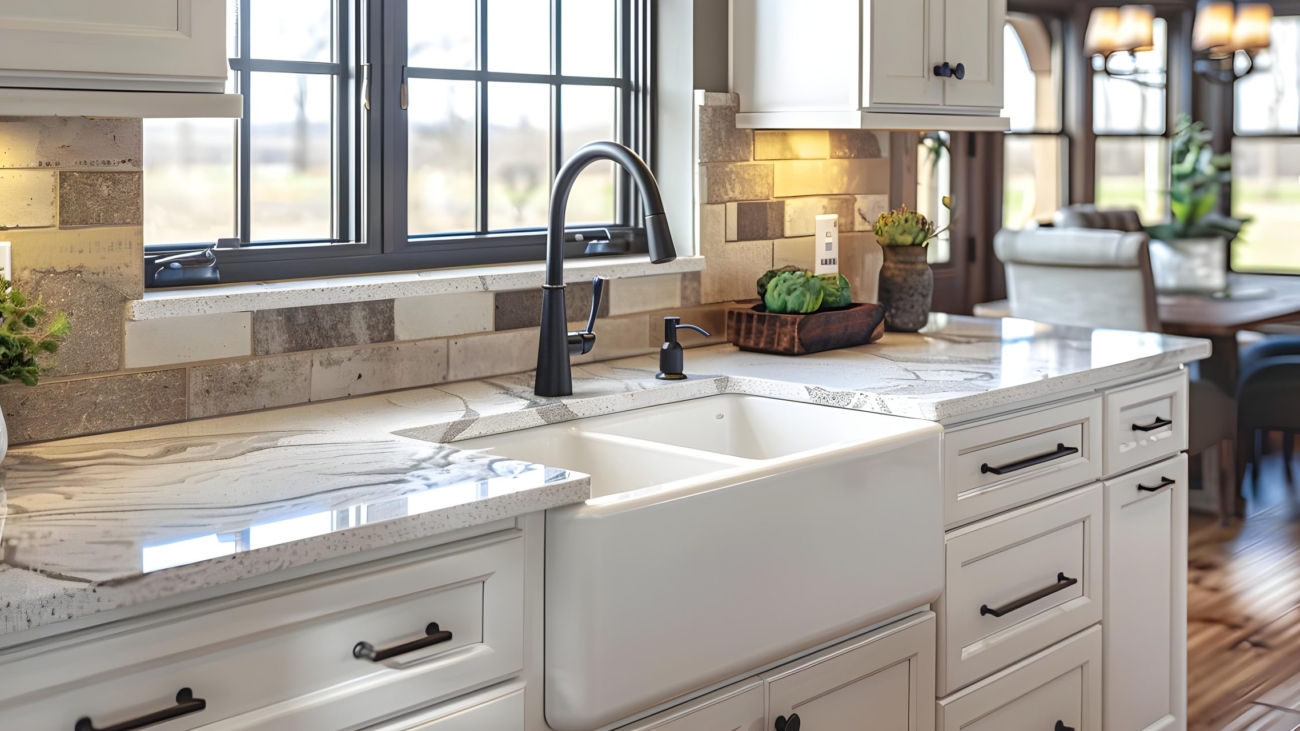
Remodeling 101: The Lowdown on Single-Bowl Vs. Double-Bowl Kitchen Sinks

When it comes to remodeling a kitchen, the choice of sink is more than a matter of style—it is a central element that influences functionality, workflow, and long-term satisfaction. Among the most common decisions homeowners face is whether to install a single-bowl or double-bowl sink. Each option carries its own set of advantages, drawbacks, and considerations, making it crucial to understand how they align with your cooking habits, household size, and overall kitchen layout. This comprehensive guide explores the key factors in choosing between single-bowl and double-bowl sinks, ensuring you make an informed decision for your remodel.

Understanding the Basics
A single-bowl sink consists of one large, uninterrupted basin. Its simplicity allows for ample space to wash large pots, pans, and baking sheets without obstruction. In contrast, a double-bowl sink is divided into two separate compartments, which can vary in size and configuration. This design enables multitasking, such as washing dishes in one bowl while rinsing vegetables in the other, providing enhanced organizational flexibility for busy kitchens.

Pros and Cons of Single-Bowl Sinks
Single-bowl sinks are often preferred for their minimalist appearance and unbroken workspace. They are especially practical in contemporary kitchen designs where a sleek, streamlined look is desired. Large cookware and oversized trays fit more easily, reducing frustration when cleaning bulky items. Single-bowl sinks also tend to require less countertop space in terms of plumbing layout, making them a suitable choice for kitchens where space is at a premium.

However, this design may limit multitasking capabilities. Washing dishes while simultaneously prepping food can be challenging, and in households that frequently entertain or manage high volumes of dishes, a single bowl may feel restrictive. Additionally, without a secondary compartment for disposal or organization, users may need additional accessories such as colanders or dish racks to compensate.

Pros and Cons of Double-Bowl Sinks
Double-bowl sinks offer remarkable versatility. One bowl can be used for soaking or washing dishes, while the other can handle food prep, such as rinsing fruits and vegetables. This separation enhances efficiency and hygiene, preventing cross-contamination between raw foods and dirty dishes. Double-bowl sinks are particularly advantageous for families or households that cook frequently and require dedicated zones for multiple tasks.

On the downside, the divider can limit the size of pots and pans that fit comfortably, and the smaller basins may require more effort when cleaning large items. Visually, double-bowl sinks may appear bulkier in smaller kitchens, and the additional plumbing can slightly increase installation complexity and cost.

Material Considerations
Beyond configuration, the material of your sink plays a significant role in performance and longevity. Stainless steel remains the most popular choice in American kitchens due to its durability, corrosion resistance, and ease of cleaning. Composite granite or quartz sinks offer a more substantial, tactile feel and can enhance aesthetic appeal, though they may require specialized maintenance. Porcelain and fireclay options provide a classic look but can be prone to chipping or staining over time. The material choice should complement not only the sink style but also your countertop, faucet, and overall kitchen design.

Workflow and Ergonomics
When evaluating single versus double bowls, consider the ergonomic impact on your kitchen workflow. In larger kitchens or open-concept layouts, a single-bowl sink may facilitate easier movement around the countertop. Double-bowl sinks, meanwhile, can help compartmentalize tasks, reduce clutter, and keep prep and cleanup separate. The height, depth, and positioning relative to dishwashers and prep zones also play a role in long-term comfort, especially in homes where multiple people share kitchen responsibilities.

Modern Accessories and Customization
Many modern sinks—both single and double—offer customizable features that enhance functionality. Cutting boards, colanders, drying racks, and integrated drain systems can transform your sink into a multifunctional workspace. Some double-bowl designs include unequal-sized compartments, allowing larger items to fit on one side while leaving the other for smaller prep tasks. Thoughtful integration of these accessories can mitigate some of the limitations inherent to each sink type, giving homeowners the best of both worlds.

Aesthetic and Design Impact
From a visual perspective, the choice between single- and double-bowl sinks can influence the overall aesthetic of your kitchen. Single-bowl sinks offer a clean, uninterrupted appearance, which complements modern, minimalist, or industrial designs. Double-bowl sinks, particularly those with farmhouse or apron fronts, can add a traditional or functional charm. Consider how the sink interacts with countertop materials, backsplash finishes, and cabinet styles to ensure a cohesive and harmonious design.

Making the Right Choice for Your Home
Ultimately, the decision between single-bowl and double-bowl sinks depends on your lifestyle, kitchen usage, and design preferences. Single-bowl sinks are ideal for those who prioritize simplicity, open space, and washing larger items with ease. Double-bowl sinks excel for multitasking households, family-oriented kitchens, and those who appreciate dedicated zones for prep and cleanup. By carefully weighing the functional and aesthetic factors outlined above, homeowners can select a sink that not only complements their kitchen remodel but also enhances daily living for years to come.

Conclusion
Choosing the right sink is more than a practical decision—it is a key element that shapes the efficiency, style, and enjoyment of your kitchen. Understanding the differences between single-bowl and double-bowl sinks, along with material options, ergonomic considerations, and design impact, allows homeowners to approach their remodel with confidence. Whether your priority is sleek modernity or functional versatility, selecting the right sink ensures your kitchen remains a space that is both beautiful and highly practical, meeting the demands of contemporary American households.

5 Compelling Reasons a Brand-New Home Might Be Your Best Move

Picture this: You walk up to the front door of your dream home. The lawn is lush and green, carefully landscaped with vibrant flowers that bloom on your porch, and the sun casts a warm glow over the freshly painted exterior. You step inside a brand-new home, one thoughtfully designed with your style, comfort, and lifestyle in mind. There’s something magical about owning a home that feels completely yours—and the benefits go far beyond aesthetics. Let’s explore why buying a brand-new home can be a smarter, more rewarding choice than renting.

1. Energy Efficiency That Saves You Money
Newly built homes are often far more energy-efficient than older properties. With modern insulation, sustainable building materials, and the latest energy-saving technology, these homes can significantly reduce your utility bills over time. From high-efficiency HVAC systems to energy-smart windows and LED lighting, every detail is designed to help you save money while lowering your environmental footprint. Over the years, these savings can add up to a substantial financial advantage.

2. Tax Benefits You Can Leverage
Owning a home opens the door to valuable tax benefits. For many homeowners, the interest paid on a mortgage is deductible—a financial perk that renters simply don’t receive. This can make homeownership more affordable than it initially appears, giving you a tangible return on your investment while you build equity in a property that’s all yours.

3. A Space That Truly Reflects You
One of the greatest joys of a brand-new home is the freedom to make it entirely your own. Unlike renting, where landlords set limits on modifications, homeownership allows you to personalize your space from top to bottom. Paint the walls your favorite colors, install shelving, or create a dream kitchen—you decide the style, layout, and vibe. Your home becomes a true extension of your personality, a place that feels uniquely “you.”

For inspiration, explore the latest trends in home design for 2025 and see how your vision can come to life in your own space.

4. Community and Connection
Owning a home isn’t just about the structure itself—it’s about the community around it. A new home means putting down roots, establishing relationships with neighbors, and creating a sense of belonging. Whether it’s joining local events, volunteering, or simply getting to know the people on your street, homeownership provides opportunities to build lasting connections in your community.

5. Building Equity and Financial Security
Every mortgage payment brings you closer to full ownership and increases your equity—the financial stake you hold in your home. Unlike rent payments, which go straight to a landlord, every dollar you invest in your home is building your wealth and providing you with future financial flexibility. Equity can give you options: leveraging it for renovations, using it as a down payment for your next home, or even tapping into it in retirement. Owning a home is not just a place to live; it’s a long-term financial strategy that grows with you.

Owning a brand-new home is more than a lifestyle choice—it’s an investment in your comfort, security, and future. From energy savings and tax perks to creative freedom and community connections, the advantages are tangible and lasting.

At Taylor Morrison, we’re committed to making your homebuying journey seamless, enjoyable, and tailored to your needs. Every detail is crafted to ensure your home isn’t just a house—it’s a place you’ll love to live, a space where memories are made, and a foundation for your future.