
HE.D Group Transforms Kyiv Boutique with Artisan Touches and Handcrafted Elegance

HE.D Group has reimagined the interior of Kyiv’s womenswear boutique Love by the Moon, infusing the space with artisanal craftsmanship, custom detailing, and a refined, tactile aesthetic that elevates the shopping experience. The boutique occupies a retail unit in the Ukrainian capital that was previously divided into two small grocery stores, separated by partitions, creating a compact, segmented layout. Despite the unit’s constrained footprint, its high ceilings and large front-facing windows offered the designers an opportunity to open up the interior and fill it with light, transparency, and a sense of spaciousness.

“The large windows inspired the concept of openness,” explained HE.D Group. “We wanted the interior to feel inviting to passersby, to draw them in with lightness and refinement while preserving an air of exclusivity.”

The design transformed the space into a singular, open-plan boutique finished with creamy white walls and elegant chevron flooring. The previous glazed vestibule, which had created a visually cluttered entrance, was removed and replaced with striking red French doors adorned with glossy bobbles, making the entrance both eye-catching and welcoming.

At the heart of the boutique sits a fluted wood service desk, supported by four robust legs, which serves as a functional centerpiece and a sculptural focal point. Behind the desk, a heavy brown curtain conceals the brand’s administrative offices, maintaining a seamless flow between public and private areas.

The boutique’s seating areas reflect the same attention to detail and comfort. Near the desk, plush brown velvet armchairs are paired with a pair of oval coffee tables and a sculptural, wavy-stemmed floor lamp, while large pleated lanterns hang above, adding softness and visual intrigue. Additional seating is located along the windows, where sofas are adorned with cushions upholstered in hand-painted fabrics commissioned exclusively for the boutique.

“Textiles were central to the concept,” the studio noted. “We wanted the interiors to feel tactile, individual, and emotionally resonant. Many fabrics were custom-made, with hand-painted designs that give the boutique a unique, visual identity.”

This commitment to craftsmanship extends to the boutique’s screens and changing room doors, which are covered in the same hand-painted floral fabrics. Each changing cubicle is enhanced with flower-like paper lights and wooden bobbin mirrors, echoing the boutique’s overarching theme of delicate artistry and thoughtful materiality.

In addition to textiles, nearly every timber element in the boutique – including wall paneling, door frames, service desk, and decorative components – was crafted by local artisans following HE.D Group’s precise drawings. This meticulous approach allowed the team to harmonize materials, textures, and shades across the boutique, creating a cohesive, layered, and luxurious environment. Even the bathroom carries subtle wooden bobbin details, reinforcing the artisanal narrative throughout the space.

Kyiv has emerged as a hub for visually striking retail interiors, and Love by the Moon stands out for its combination of craftsmanship, individuality, and refined design. Other notable spaces include Anoeses, an eroticwear store inspired by the human form, and One by One, a womenswear boutique featuring playful elements like cushioned walls and a ball pit.

Through Love by the Moon, HE.D Group has demonstrated how thoughtful design, custom materials, and artisanal detailing can transform a previously mundane retail unit into a boutique that is as visually compelling as it is welcoming, tactile, and deeply memorable.
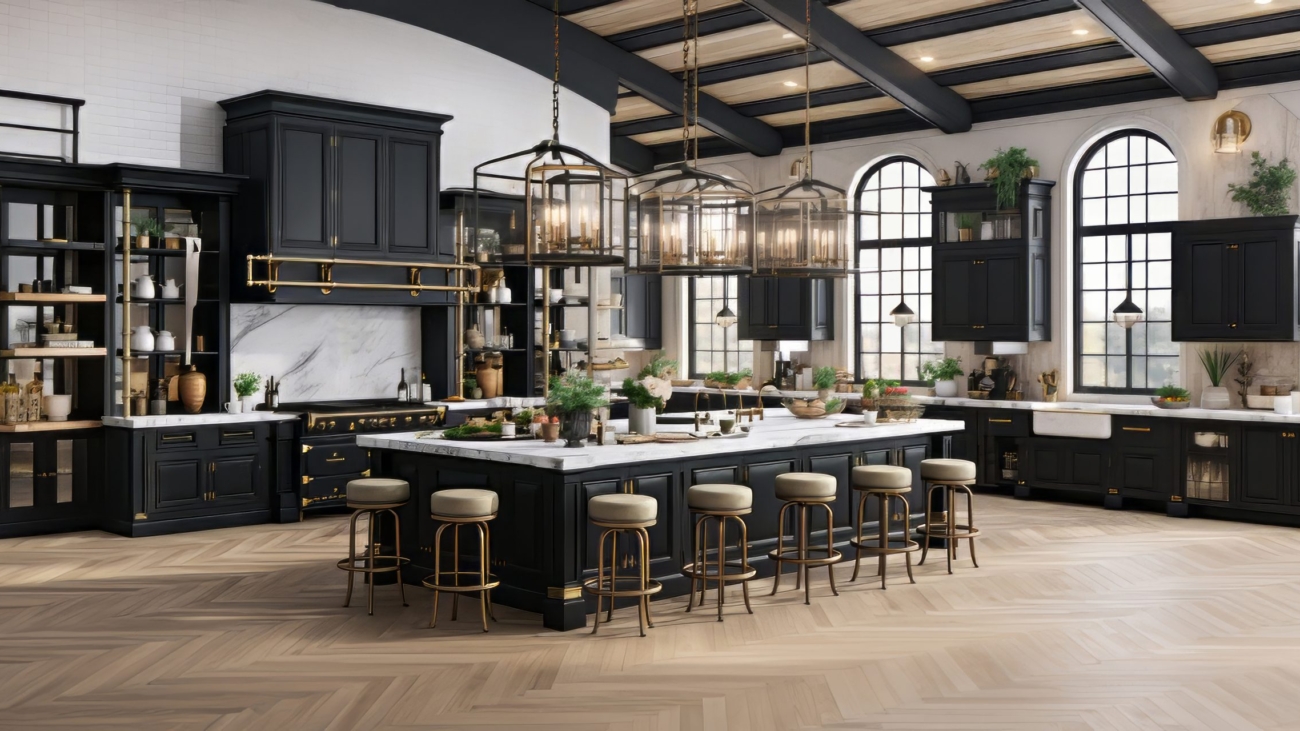

Kitchen of the Week: A Zesty Combination of Old and New by an Aspiring Interior Designer

Kitchens are often described as the heart of a home, and this week’s featured design exemplifies how thoughtful blending of old and new elements can transform a functional space into a vibrant, inspiring hub. Conceptualized by an emerging interior designer, this kitchen showcases a bold, inventive approach that balances contemporary innovations with classic touches, demonstrating that striking aesthetics and practical functionality can coexist seamlessly. The result is a space that feels both inviting and dynamic, reflecting a fresh perspective on modern kitchen design.

A Dialogue Between Eras
The defining feature of this kitchen is its nuanced interplay between historical charm and contemporary flair. Original architectural details—such as exposed brickwork, vintage moldings, or reclaimed wooden beams—anchor the design in tradition, providing warmth and texture that evoke a sense of history. Against this backdrop, sleek cabinetry, modern countertops, and state-of-the-art appliances introduce a clean, minimalist aesthetic, ensuring the space feels light, fresh, and highly functional. This delicate juxtaposition of old and new creates a layered, visually compelling environment where each element complements the other rather than competing for attention.

Functional Zoning and Workflow
Beyond aesthetics, the kitchen is designed with practicality at its core. Distinct zones for cooking, prep, and cleanup ensure efficient workflow for both everyday routines and entertaining. The layout strategically positions key elements—such as the stove, sink, and refrigerator—within easy reach, minimizing unnecessary steps and enhancing convenience. Storage solutions combine hidden compartments with open shelving, offering versatility while maintaining a visually clean appearance. Pull-out drawers, pantry organizers, and integrated appliance storage maximize functionality without sacrificing style, a hallmark of thoughtful design.

Materiality and Textural Contrast
A central theme in this kitchen is the strategic use of materials to create contrast and visual interest. Matte and high-gloss finishes coexist on cabinetry, while natural stone, wood, and metallic accents contribute both texture and warmth. The countertops, for instance, may pair a durable quartz surface with reclaimed wooden island panels, merging contemporary durability with rustic charm. Brass or copper hardware adds subtle sophistication, while backsplashes of patterned tiles or polished stone serve as focal points that enhance the character of the space. The careful layering of materials underscores the designer’s ability to harmonize diverse elements without creating visual clutter.

Lighting That Enhances Both Form and Function
Lighting is another critical component in the success of this design. The space utilizes layered lighting strategies that combine ambient, task, and accent illumination. Recessed ceiling fixtures provide overall brightness, while under-cabinet LED strips ensure optimal visibility for food preparation. Statement pendant lights above the island or dining area contribute sculptural interest, simultaneously drawing the eye and enhancing the room’s personality. The designer’s attention to light ensures that the kitchen feels vibrant and functional throughout the day, while highlighting key textures and design features.

Color Palette and Accents
The color palette strikes a careful balance between energetic vibrancy and enduring sophistication. Muted neutrals on walls and cabinetry provide a timeless foundation, while pops of bold color—such as a zesty green or a sun-kissed yellow on accent furniture, appliances, or decor—inject personality into the space. Accessories, from artisanal ceramics to strategically placed greenery, further enhance the lively yet cohesive aesthetic. This approach illustrates how thoughtful use of color can transform a kitchen from a purely utilitarian area into a vibrant, uplifting environment.

Incorporating Modern Technology
Despite its nod to tradition, the kitchen embraces modern technology to enhance convenience and efficiency. Integrated smart appliances, touchless faucets, and innovative storage solutions allow the space to meet contemporary expectations while remaining visually harmonious. The designer has managed to incorporate technology without undermining the charm of the classic architectural elements, proving that functionality and beauty can coexist seamlessly in modern kitchen design.

A Space for Social Connection
One of the most compelling aspects of this kitchen is its role as a social hub. The layout encourages interaction, with a central island or breakfast bar providing a casual gathering point for family or guests. Comfortable seating areas, combined with visually engaging design details, create a space that is as much about community and conversation as it is about cooking. This design demonstrates that a kitchen can be both highly functional and deeply inviting, fostering a sense of warmth and belonging.

Conclusion
This week’s kitchen exemplifies how an aspiring interior designer can reimagine a space by blending historical elements with modern innovation. The careful balance of textures, colors, and functional zones results in a kitchen that is visually striking, highly efficient, and entirely livable. It serves as a reminder that the most successful kitchen designs are those that respect the past while embracing the present—creating spaces that feel timeless, practical, and uniquely personal. By combining traditional charm with contemporary features, this kitchen achieves a dynamic, zesty aesthetic that inspires both homeowners and designers alike, proving that thoughtful design can elevate even the most everyday of spaces into something extraordinary.

Keeping Up With The Trends: Must Do’s to Sell a Home Quicker In Today’s Market

When selling a house, speed often becomes a top priority. However, the process can easily drag on and leave you waiting impatiently. Read on for must-do tips to sell your DC-area home as quickly as possible.

Cash offers are the express lane in the home-selling process. While they may not always maximize profit, they ensure a streamlined sale due to the absence of lender protocols. Something else to consider: Once you factor in maintenance costs and agent fees, a cash deal might closely match what you’d net from a traditional sale.

Home prices in Washington, D.C., are on a downward trend these days, providing advantages to homebuyers as the market adjusts in response to rising mortgage rates and reduced demand. And you can accelerate the sales timeline by pricing your home competitively. Understand its market value and consider marking it 15-20% below to potentially incite a bidding war among buyers.

First impressions are crucial, so make sure the exterior of your home is in pristine condition. 

Power wash or put a fresh coat of paint on your house to make it stand out. Repair any screen doors or window screens that may have holes or are unable to close properly.Take a close look at your front door. Does it stand out from the street? Front doors command the most attention when people pull up to your property, so if your door is old or dull, replace or paint it.  Remove any debris from your yard. A yard containing dead plants and tired mulch won’t have great curb appeal. Mowing the lawn and freshening up your landscaping can improve the value of your home and help you sell it faster. 

When potential buyers walk into your home, they need to imagine themselves living there, so clean it up! Toss out the stacks of magazines you have sitting on the floor and any clutter scattered across countertops. Take down personal items like family photos, awards, or personalized art. Keep it simple and neutral.

Buyers should feel the spaciousness of each room, so even if it feels too minimal for you, it will show better this way. Get out your cleaning supplies and scrub every corner of the house (or save yourself the hassle, and hire a cleaning crew). A spotless and clean home can significantly influence a buyer’s decision. 

The aroma inside your home is a small detail some people overlook. After all, a pleasant smell can enhance a home’s attractiveness. Use subtle scents like essential oils or fresh flowers to create a welcoming atmosphere. 

Fix any issues related to water damage, plumbing, or electrical work that could cause you to fail a home inspection.Refresh carpets and flooring. While you may not have the funds to replace the carpets entirely, a clean carpet can certainly transform a room, so have the carpets cleaned professionally and polish the hardwood floors.Other simple updates including fresh paint and new caulking can make a big difference.Consider updating the cabinet handles and kitchen appliances for a modern touch and a fast sale. After all, the kitchen is the most important room potential buyers are looking at because it’s the most used room in a house, and buyers these days are demanding a modern kitchen. Granite countertops, a nice backsplash, bright lighting, and custom cabinets are all important for this space.With a growing demand for eco-friendly homes, those with renewable energy options and sustainable materials are selling much faster. Upgrade your appliances, thermostat, lighting, and alarm system with more energy-efficient options.

Staging can significantly elevate the perception of your home. A well-staged home appeals to a wide demographic, ensuring it’s seen as welcoming and ready to move in.

Current Obsessions: Do Not Disturb

In a world increasingly dominated by constant notifications, relentless schedules, and digital interruptions, the concept of “Do Not Disturb” has evolved beyond a simple phone setting—it has become a cultural phenomenon and a design ethos. From tech-free retreats to lifestyle habits and spatial design choices, modern individuals are seeking ways to reclaim focus, serenity, and uninterrupted time. This guide explores the current obsessions with “Do Not Disturb,” highlighting how people, technology, and home environments are adapting to protect mental clarity, enhance productivity, and cultivate personal well-being.

Redefining Privacy in the Digital Age
The digital landscape has made privacy both more necessary and more elusive. Smartphones, smart speakers, and social media platforms constantly demand attention, fragmenting our day and amplifying stress. Activating a “Do Not Disturb” mode is no longer a mere convenience; it is a conscious decision to set boundaries. This act symbolizes a broader cultural movement that prioritizes mental health and encourages intentional use of technology. Experts suggest combining these features with scheduled breaks, screen-time limits, and device-free zones to truly maximize the benefits of disconnection.

Home Design That Supports Serenity
Modern interiors are reflecting this obsession through spaces designed for tranquility and focus. Bedrooms, home offices, and reading nooks are increasingly curated to minimize sensory distractions. Neutral color palettes, natural light, soft acoustics, and minimalistic décor reduce mental clutter, creating environments that encourage calm and introspection. In some cases, dedicated “quiet rooms” or retreat corners within larger homes offer an oasis for meditation, reading, or creative work.

Tech Innovations That Enable Focus
Innovative tools are emerging to complement this lifestyle shift. Smart home devices now include programmable “quiet hours” for notifications, lighting, and sound, while apps offer modes that block social media, emails, and calls during periods of concentration. Noise-canceling headphones, white-noise machines, and AI-driven task management systems are helping professionals and creatives achieve uninterrupted work sessions without sacrificing connectivity when needed.

Fashion and Lifestyle Interpretations
The “Do Not Disturb” philosophy has also permeated lifestyle and fashion trends. Apparel, accessories, and home items feature subtle cues—like pins, signs, or clothing designs—that signal the wearer’s desire for personal space. Beyond functionality, these elements have become expressions of self-care, autonomy, and intention in social and professional settings. Hotels, spas, and coworking spaces now adopt “Do Not Disturb” branding to create environments that respect personal time and mental clarity, offering private areas for relaxation, wellness treatments, or focused work.

Psychological Benefits and Productivity Gains
The obsession with “Do Not Disturb” is not simply a reaction to digital overload; it reflects deeper psychological needs. Studies indicate that uninterrupted time enhances cognitive function, creativity, and problem-solving capabilities. Setting aside periods for focused work, reflection, or leisure reduces stress, prevents burnout, and fosters a sense of control over one’s environment. By prioritizing these moments, individuals are finding renewed energy, improved mental health, and a more balanced approach to daily life.

Cultural Shift Toward Intentional Living
At its core, the current fascination with “Do Not Disturb” represents a cultural shift toward intentional living. It underscores the importance of balance, personal boundaries, and mindful engagement with both technology and human interaction. From digital detoxes to minimalist home interiors, from private wellness retreats to focus-driven workplaces, this movement encourages people to reclaim time, mental space, and a sense of agency. It is a subtle rebellion against constant busyness and an embrace of calm, control, and presence.

Implementing Your Own “Do Not Disturb” Strategy
Adopting this mindset involves both practical steps and thoughtful design:

  • Technology Management: Schedule device-free times, silence notifications, and utilize focus apps to reduce interruptions.
  • Spatial Planning: Designate quiet zones in your home with calming décor, comfortable seating, and natural light.
  • Lifestyle Habits: Incorporate meditation, reading, or reflective journaling into your routine to reinforce mental clarity.
  • Communication Boundaries: Clearly signal availability to colleagues, family, and friends to protect your uninterrupted time.

Conclusion
“Do Not Disturb” is more than a mode—it is a philosophy that speaks to the contemporary desire for focus, privacy, and mental well-being. From home design and lifestyle habits to tech innovations and workplace norms, this obsession is shaping the way we live, work, and interact. By embracing the principles behind “Do Not Disturb,” individuals can cultivate calm, enhance productivity, and create meaningful, uninterrupted moments in a world that rarely pauses. Whether through mindful technology use, intentional interior spaces, or personal routines, the modern pursuit of solitude and focus has never been more relevant—or more necessary.

2025 Interior Design and Home Staging Trends

As home stagers, it is important to stay up-to-date on interior design trends. Of course, most of your staging inventory, especially case goods, should be neutral and as timeless as possible, but you will add in more trendy items into things like art and accessories.

Many stagers are now offering design services like short-term rental styling and this is where you can really lean more into design trends. Successful Airbnbs typically marry the local aesthetic with up-to-date design trends.

Since the furnishings in a vacation rental will get much more use than your staging furniture, Airbnbs will also likely need to refresh more often. That bachelor party that got a little too rowdy might knock a piece of art off the wall, and the guest that brought a misbehaved dog might leave spots on the rug. This inevitable turnover offers an opportunity to keep the Airbnb trendy.

These are the trends we are seeing and expecting to see more of in 2025.

Deep, rich hues are making a comeback, and color drenching dark cherry red is leading the charge.

For a recent Airbnb design project for a tiny cabin, we were inspired by the Farrow & Ball color Brinjal. It is absolutely gorgeous and so trendy right now! But, short-term rentals are all about making the highest return on investment, so we opted for a less expensive dupe: Sherwin-Williams® Deep Maroon.

This bold color brings warmth and sophistication to the cabin, and guests have been loving the vintage library vibes. It has been booked every weekend since it first went on Airbnb a few months ago!

Book your stay at the western North Carolina vacation cabin here. The private hot tub is a perfect place to spot a baby bear stealing fruit from the peach tree!

And this is how we incorporated cherry-colored elements into a recent staging project. Notice only the chairs and pillows are the bold color. You don’t want to go overboard with purchasing colors, but a few pops here and there can be a huge asset to your inventory.

Cherries Are the New Bows

Last year, our trends blog predicted that bows would be everywhere. And wow! Are they ever.

You will still see a lot of bows for much of the year, but cherries are quickly replacing them as the “it” motif. While you might expect them to first show up in kitchens, look for cherries in bedrooms too.

As a stager, you might incorporate a cherry-print pillow or some art. If you’re designing a short-term rental, use that as an opportunity to make a cherry bedroom! Airbnbs can be way more taste-specific and follow trends, so why not dive deep into that American-farmhouse style for one of your projects this year?

Staging Tip: Pair dark cherry red with muted tones like brown or matte black to ground the design and avoid overwhelming the space.

Tassels, Texture, and Maximalism

Tassels, layered textiles, and ornate details reminiscent of the Rococo period are trending. From grand couches and furniture to intricately detailed lampshades, designers are embracing playful, feminine maximalism. Think of it as replacing the Grand Millennial style with French Maximalism.

Consider mixing vintage finds, like estate-sale tassel lamps or textured rugs, with modern pieces to achieve a curated, yet contemporary, look in your home staging and design projects.

Bench Seat Sofas and Canopy Beds

Furniture trends are shifting towards timeless comfort and elegance.

Bench seat sofas, known for their seamless, cushion-free design, are gaining popularity for their clean lines and modern feel. As is usual for newer styles, these bench-seat sofas are currently more expensive than multi-cushion dupes. It is important to balance the impact of those extra lines on the sofa with the added inventory expense. Will it make that much difference? Will people, other than designers, even notice?

Notice the picture below. We love the look of this Four Hands sofa we have in our inventory, but remember that when you pay more for your inventory, your margins either get slimmer or you have to charge more. Will your market bear the higher price?

Meanwhile, canopy and four-poster beds are making a resurgence, offering a sense of grandeur and intimacy.

Canopy and poster beds are difficult to use in staging as they require more time to set up and they can be more visually imposing – NOT the effect you want! But for Airbnbs, canopy beds could be the perfect thing to add romance and interest to a room.

Photo and staging by Staging Studio.

Color and Pattern Drenching

Color drenching trended in 2024 and it isn’t going anywhere in 2025. Drenching is when walls, trim, and sometimes ceilings are painted in a single hue. It provides a cohesive, immersive experience that can make a room feel larger and more intentional.

Not only is color drenching still in, but pattern drenching is on the list too. In most cases, pattern drenching may be too taste-specific for staging, but consider it for making a statement in design and short-term rental projects.

Playful Maximalism

Fun is on trend! Think contrast trim, mix-and-match bold patterns, eclectic prints, and more color.

At Las Vegas Market, we saw many neutral aesthetic games used as decor, like dice, tic-tac-toe, and stacking blocks.

Clustered Coffee Tables

Clustered and nested coffee tables are dominating luxury living room layouts, adding movement, scale, and visual interest.

Photo and staging by Staging Studio.

Nested coffee tables have been trending, but start thinking about it as a cluster of tables. The photo below (AI, so not perfect) is close to this idea. Take this and add another smaller table to join the bunch!

This trend aligns with playful maximalism, where design elements don’t just serve a function, but also contribute to the room’s overall artistry.

Other 2025 Design Trends to Watch

A few other trends we’re seeing are terracotta (did it ever really go away?), round stools (these are perfect for stagers because they’re easy to store in the warehouse!), and extra long lumbar pillows. Shag rugs are making a return, and the boucle trend isn’t going anywhere this year.

These 2025 design trends encourage boldness, personality, and a mix of textures, colors, and eras. By integrating dark cherry red accents, incorporating maximalist elements, and balancing vintage with modern, you can create striking, memorable spaces that capture the imaginations of buyers and travelers.

A Guide to Selling Your Vacant Home

Preparing an unoccupied property for the market is different from arranging one currently being lived in. Maybe your home didn’t sell quickly enough, and you couldn’t pass up on the perfect place you found! Or maybe you owned several properties and had a tenant move out unexpectedly or have acquired a newly built house.

Whatever the reason may be, if you find yourself with a vacant home on your hands that you need to sell, these tips will help you do it successfully!

The for-sale sign outside your vacant property signals an opportunity for burglars to act. Make sure you take the appropriate measures to keep the property safe and protected. Alert local authorities and ask them to make a note of your vacant home. This way, they’ll recognize any strange activity and can even schedule a drive-by every so often. It’s also a good idea to inform your old neighbors that your house will be unoccupied for some time, so they can be attentive and check in with an extra key.

Don’t let the exterior of your vacant home fall to the wayside! Occupied or not, the outside of a home is the first impression buyers get of the space—make sure it doesn’t look neglected and unkempt. Boost curb appeal by mowing the lawn frequently and maintaining the front and back yards. Trim the shrubbery and sculpt the garden and other greenery surrounding the property. A nice set of porch furniture and a welcome mat also adds a charming touch.

The best way to entice buyers is to stage your vacant home so it looks lived in. It’s difficult for people to envision themselves living in an empty space. You need to give their imagination something to work with and show off the best assets of each room. The most efficient and cost-effective option is to have a professional staging company come in to make the place look inviting to potential buyers.

There are also a few small things you can do to make your home look occupied in addition to home staging. Keep the lights on or put them on a timer to give the impression that the house is being used. Don’t forget to grab the newspaper and mail every few days so it doesn’t build up, create clutter, and signal an easy target for burglars.

Studio McW Transforms London Home into the Ultimate Entertainer’s Paradise

Studio McW Transforms London Victorian Terrace into a Chic Entertainer’s Haven

In the heart of south-west London, local architecture studio Studio McW has completed a striking renovation and extension of a Victorian terrace, crafting a home designed specifically for social gatherings and family life. The residence, named Sobremesa after the Spanish tradition of lingering at the table after a meal, was commissioned by Charlie and Joshua Karlsen, founders of luxury catering company Opus 11. The Karlsen’s vision for the house was clear: a space primed for hosting, where friends and family could seamlessly gather, dine, and relax in style.

From Bedsits to a Unified Home

Previously divided into three separate bedsit flats, the home was transformed into a single, cohesive dwelling through a series of carefully considered side, rear, and attic extensions. This structural reorganisation allowed Studio McW to open up the ground floor into expansive entertaining spaces, strategically connecting the interiors with a courtyard and garden to maximize light and flow.

“The spatial organisation of the house was conceived to serve both the rhythms of everyday family life and the clients’ passion for entertaining,” said Greg Walton, studio director at McW. “The layout gently choreographs movement through the home: guests are welcomed directly into the reception area, perfect for drinks and conversation, before stepping down into a generous dining space framed by two courtyards that filter in soft, dappled light from above.”

A Skylit, Open-Plan Heart

The heart of the home is a seamless, open-plan entertaining space anchored by a marble kitchen island and a skylit dining area. Varied floor finishes subtly mark transitions between spaces: warm oak floors define the front lounge and reception, polished concrete runs through the dining zone, and the paved flooring flows into the rear patio, creating a sense of continuity between interior and exterior.

The kitchen itself is a study in elegance and functionality. A large marble island defines the cooking zone, while bench seating along the side extension offers a relaxed spot beneath a timber-framed skylight. The island is mirrored by a dramatic marble splashback set within a curved alcove and complemented by bespoke oak joinery crafted by Idle Furniture. Timber-framed glass doors lead seamlessly to the hard-landscaped garden, where a curved brick wall hugs a small planter and concrete bench, extending the home’s sculptural language outdoors.

Design Inspirations and Architectural Details

Studio McW drew inspiration from a combination of historical and contemporary sources. The curved brick form of the extension references Gunnar Asplund and Erik Lewerentz’s architectural work, evoking a feeling of spaces carved rather than constructed. Victorian archways and plaster details from the original home subtly informed the extensions’ arches and curves, preserving the residence’s heritage while introducing a modern sensibility.

The first floor houses the main bedroom with a walk-in wardrobe, a TV room, and an en-suite bedroom. The attic conversion adds two further en-suite guest bedrooms. Across these private areas, the interiors continue the ground floor’s natural and textured palette, with lime-plastered walls in soft cream and dusky pink, complemented by marble and terracotta-tiled bathrooms.

A Home for Entertaining and Everyday Life

Sobremesa is more than a beautifully designed home; it is a choreographed experience, balancing everyday living with the owners’ love for hospitality. From its fluid circulation and light-filled courtyards to the sculptural forms of the extensions and the tactile elegance of materials, the house offers a welcoming, luxurious backdrop for gatherings, meals, and quiet family moments alike.

Previous residential projects by Studio McW include bespoke stone and timber-clad additions to a large 18th-century home in Cambridgeshire and a London extension featuring intricate timber joinery. With Sobremesa, the practice continues its tradition of combining refined materiality, spatial intelligence, and playful yet sophisticated detailing to craft homes that are as beautiful as they are functional.