

Five Must-See Homes That Stole the Spotlight in August 2025

Dezeen’s top five houses of August 2025 showcase a fascinating array of contemporary architectural approaches from across the globe, spanning Australia, Sweden, Belgium, and Italy. This month’s selection highlights creative renovations, sensitive site interventions, and bold designs that fuse tradition with modernity. Each project demonstrates how architects are responding to context, lifestyle, and the natural environment while delivering innovative homes that captivate both residents and visitors alike.

Omloop Farmhouse, Belgium – Hé!
In Belgium, architecture studio Hé! reimagined a traditional Flemish farmhouse by inserting a glazed timber and metal volume into the roof. This new upper-level living space not only maximizes natural light but also strengthens the home’s connection with the surrounding hilly landscape. The renovation emphasizes a more compact, efficient internal layout, bringing a contemporary layer of comfort and functionality to a historic building. By subtly blending modern materials with traditional forms, Hé! has created a home that celebrates both heritage and innovative design.

Mygunyah by the Circus, Melbourne, Australia – Matt Gibson Architecture + Design
In Melbourne, Australian studio Matt Gibson Architecture + Design transformed a 19th-century terraced house in North Fitzroy into a dynamic family home named Mygunyah by the Circus. The project involved adding two contrasting brick extensions informed by Arts and Crafts architectural traditions. These additions expand the long, narrow home to accommodate a seven-member family while creating a harmonious dialogue between the original structure and contemporary interventions. The result is a carefully composed blend of historical character and functional modern living.

Birdwood, Brisbane, Australia – Peter Besley
At the base of Mount Coot-tha in Brisbane, architect Peter Besley wrapped a house in a combination of perforated reclaimed terracotta brick and metal mesh designed to support climbing plants. Named Birdwood, the residence caters to a multi-generational family seeking a home that allows them to age in place comfortably. The layered façade not only provides privacy and shade but also encourages interaction with the garden and local environment. Besley’s design demonstrates how thoughtful material choices and spatial planning can foster a sustainable, family-oriented living experience.

Horsö, Kalmar, Sweden – Bross and Nick Flygt
In the Swedish woodland of Kalmar, the minimalist summer house Horsö by Bross and Nick Flygt is a study in restraint and harmony with nature. Finished in untreated wood, the home blends seamlessly into its forested surroundings while offering expansive views from carefully positioned openings. The architects designed the structure to have a low-key presence, ensuring that the building coexists unobtrusively with the landscape. This project exemplifies a quiet, contemplative approach to architecture, where simplicity and material honesty enhance the relationship between occupants and nature.

Patio House, Sicily, Italy – Solum
On a coastal site in Sicily, Italian studio Solum designed the Patio House with a series of monolithic volumes connected by a narrow, winding alleyway that serves as the entrance. The home’s spatial choreography contrasts “labyrinthine” interior spaces with dramatic, open views of the sea, creating an experiential journey from enclosed to expansive. Solum’s design balances privacy, intimacy, and spectacle, offering a compelling example of how architecture can respond creatively to both the physical context and the poetic possibilities of a coastal setting.

Together, these five homes highlight a diverse spectrum of contemporary design thinking, from playful material experiments to minimalist retreats, from family-oriented renovations to site-responsive coastal living. Each project demonstrates a unique architectural voice while showing how modern homes can be both functional and inspirational, deeply rooted in their environments yet forward-looking in design.

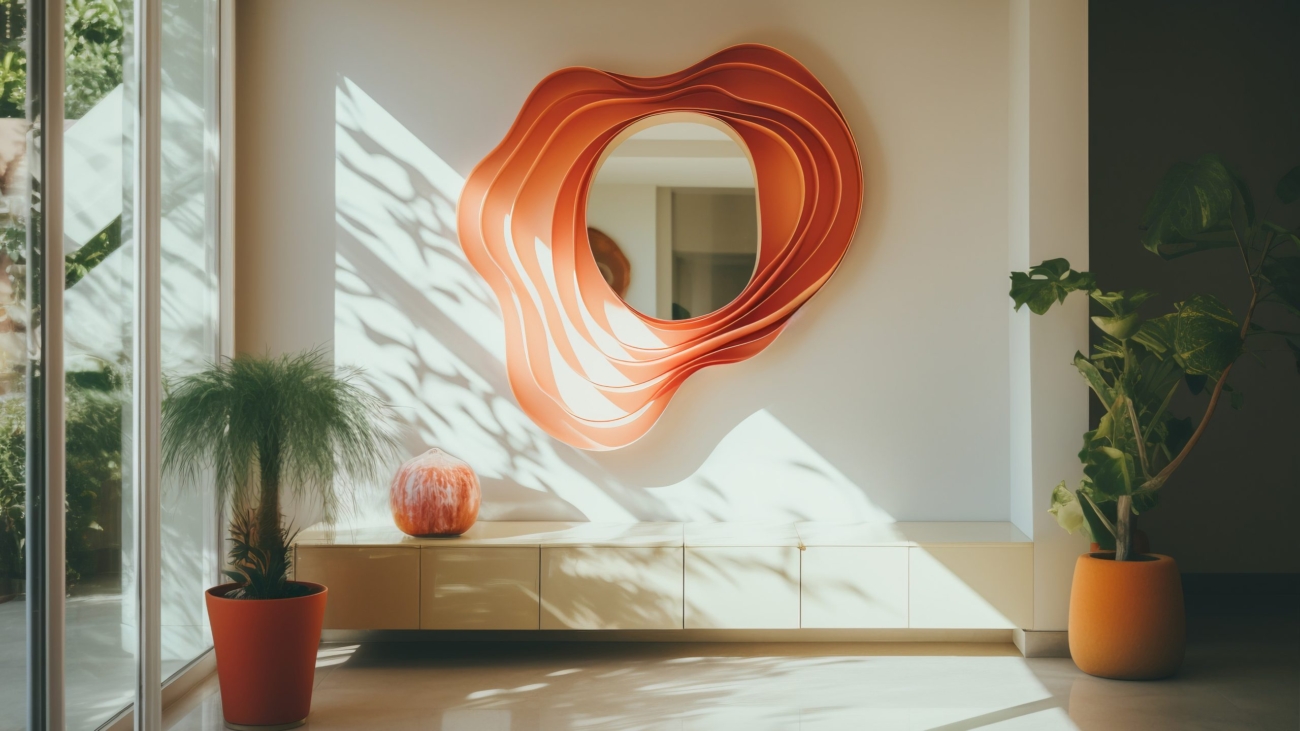
Current Obsessions: Do Not Disturb

In a world increasingly dominated by constant notifications, relentless schedules, and digital interruptions, the concept of “Do Not Disturb” has evolved beyond a simple phone setting—it has become a cultural phenomenon and a design ethos. From tech-free retreats to lifestyle habits and spatial design choices, modern individuals are seeking ways to reclaim focus, serenity, and uninterrupted time. This guide explores the current obsessions with “Do Not Disturb,” highlighting how people, technology, and home environments are adapting to protect mental clarity, enhance productivity, and cultivate personal well-being.

Redefining Privacy in the Digital Age
The digital landscape has made privacy both more necessary and more elusive. Smartphones, smart speakers, and social media platforms constantly demand attention, fragmenting our day and amplifying stress. Activating a “Do Not Disturb” mode is no longer a mere convenience; it is a conscious decision to set boundaries. This act symbolizes a broader cultural movement that prioritizes mental health and encourages intentional use of technology. Experts suggest combining these features with scheduled breaks, screen-time limits, and device-free zones to truly maximize the benefits of disconnection.

Home Design That Supports Serenity
Modern interiors are reflecting this obsession through spaces designed for tranquility and focus. Bedrooms, home offices, and reading nooks are increasingly curated to minimize sensory distractions. Neutral color palettes, natural light, soft acoustics, and minimalistic décor reduce mental clutter, creating environments that encourage calm and introspection. In some cases, dedicated “quiet rooms” or retreat corners within larger homes offer an oasis for meditation, reading, or creative work.

Tech Innovations That Enable Focus
Innovative tools are emerging to complement this lifestyle shift. Smart home devices now include programmable “quiet hours” for notifications, lighting, and sound, while apps offer modes that block social media, emails, and calls during periods of concentration. Noise-canceling headphones, white-noise machines, and AI-driven task management systems are helping professionals and creatives achieve uninterrupted work sessions without sacrificing connectivity when needed.

Fashion and Lifestyle Interpretations
The “Do Not Disturb” philosophy has also permeated lifestyle and fashion trends. Apparel, accessories, and home items feature subtle cues—like pins, signs, or clothing designs—that signal the wearer’s desire for personal space. Beyond functionality, these elements have become expressions of self-care, autonomy, and intention in social and professional settings. Hotels, spas, and coworking spaces now adopt “Do Not Disturb” branding to create environments that respect personal time and mental clarity, offering private areas for relaxation, wellness treatments, or focused work.

Psychological Benefits and Productivity Gains
The obsession with “Do Not Disturb” is not simply a reaction to digital overload; it reflects deeper psychological needs. Studies indicate that uninterrupted time enhances cognitive function, creativity, and problem-solving capabilities. Setting aside periods for focused work, reflection, or leisure reduces stress, prevents burnout, and fosters a sense of control over one’s environment. By prioritizing these moments, individuals are finding renewed energy, improved mental health, and a more balanced approach to daily life.

Cultural Shift Toward Intentional Living
At its core, the current fascination with “Do Not Disturb” represents a cultural shift toward intentional living. It underscores the importance of balance, personal boundaries, and mindful engagement with both technology and human interaction. From digital detoxes to minimalist home interiors, from private wellness retreats to focus-driven workplaces, this movement encourages people to reclaim time, mental space, and a sense of agency. It is a subtle rebellion against constant busyness and an embrace of calm, control, and presence.

Implementing Your Own “Do Not Disturb” Strategy
Adopting this mindset involves both practical steps and thoughtful design:

  • Technology Management: Schedule device-free times, silence notifications, and utilize focus apps to reduce interruptions.
  • Spatial Planning: Designate quiet zones in your home with calming décor, comfortable seating, and natural light.
  • Lifestyle Habits: Incorporate meditation, reading, or reflective journaling into your routine to reinforce mental clarity.
  • Communication Boundaries: Clearly signal availability to colleagues, family, and friends to protect your uninterrupted time.

Conclusion
“Do Not Disturb” is more than a mode—it is a philosophy that speaks to the contemporary desire for focus, privacy, and mental well-being. From home design and lifestyle habits to tech innovations and workplace norms, this obsession is shaping the way we live, work, and interact. By embracing the principles behind “Do Not Disturb,” individuals can cultivate calm, enhance productivity, and create meaningful, uninterrupted moments in a world that rarely pauses. Whether through mindful technology use, intentional interior spaces, or personal routines, the modern pursuit of solitude and focus has never been more relevant—or more necessary.

2025 Interior Design and Home Staging Trends

As home stagers, it is important to stay up-to-date on interior design trends. Of course, most of your staging inventory, especially case goods, should be neutral and as timeless as possible, but you will add in more trendy items into things like art and accessories.

Many stagers are now offering design services like short-term rental styling and this is where you can really lean more into design trends. Successful Airbnbs typically marry the local aesthetic with up-to-date design trends.

Since the furnishings in a vacation rental will get much more use than your staging furniture, Airbnbs will also likely need to refresh more often. That bachelor party that got a little too rowdy might knock a piece of art off the wall, and the guest that brought a misbehaved dog might leave spots on the rug. This inevitable turnover offers an opportunity to keep the Airbnb trendy.

These are the trends we are seeing and expecting to see more of in 2025.

Deep, rich hues are making a comeback, and color drenching dark cherry red is leading the charge.

For a recent Airbnb design project for a tiny cabin, we were inspired by the Farrow & Ball color Brinjal. It is absolutely gorgeous and so trendy right now! But, short-term rentals are all about making the highest return on investment, so we opted for a less expensive dupe: Sherwin-Williams® Deep Maroon.

This bold color brings warmth and sophistication to the cabin, and guests have been loving the vintage library vibes. It has been booked every weekend since it first went on Airbnb a few months ago!

Book your stay at the western North Carolina vacation cabin here. The private hot tub is a perfect place to spot a baby bear stealing fruit from the peach tree!

And this is how we incorporated cherry-colored elements into a recent staging project. Notice only the chairs and pillows are the bold color. You don’t want to go overboard with purchasing colors, but a few pops here and there can be a huge asset to your inventory.

Cherries Are the New Bows

Last year, our trends blog predicted that bows would be everywhere. And wow! Are they ever.

You will still see a lot of bows for much of the year, but cherries are quickly replacing them as the “it” motif. While you might expect them to first show up in kitchens, look for cherries in bedrooms too.

As a stager, you might incorporate a cherry-print pillow or some art. If you’re designing a short-term rental, use that as an opportunity to make a cherry bedroom! Airbnbs can be way more taste-specific and follow trends, so why not dive deep into that American-farmhouse style for one of your projects this year?

Staging Tip: Pair dark cherry red with muted tones like brown or matte black to ground the design and avoid overwhelming the space.

Tassels, Texture, and Maximalism

Tassels, layered textiles, and ornate details reminiscent of the Rococo period are trending. From grand couches and furniture to intricately detailed lampshades, designers are embracing playful, feminine maximalism. Think of it as replacing the Grand Millennial style with French Maximalism.

Consider mixing vintage finds, like estate-sale tassel lamps or textured rugs, with modern pieces to achieve a curated, yet contemporary, look in your home staging and design projects.

Bench Seat Sofas and Canopy Beds

Furniture trends are shifting towards timeless comfort and elegance.

Bench seat sofas, known for their seamless, cushion-free design, are gaining popularity for their clean lines and modern feel. As is usual for newer styles, these bench-seat sofas are currently more expensive than multi-cushion dupes. It is important to balance the impact of those extra lines on the sofa with the added inventory expense. Will it make that much difference? Will people, other than designers, even notice?

Notice the picture below. We love the look of this Four Hands sofa we have in our inventory, but remember that when you pay more for your inventory, your margins either get slimmer or you have to charge more. Will your market bear the higher price?

Meanwhile, canopy and four-poster beds are making a resurgence, offering a sense of grandeur and intimacy.

Canopy and poster beds are difficult to use in staging as they require more time to set up and they can be more visually imposing – NOT the effect you want! But for Airbnbs, canopy beds could be the perfect thing to add romance and interest to a room.

Photo and staging by Staging Studio.

Color and Pattern Drenching

Color drenching trended in 2024 and it isn’t going anywhere in 2025. Drenching is when walls, trim, and sometimes ceilings are painted in a single hue. It provides a cohesive, immersive experience that can make a room feel larger and more intentional.

Not only is color drenching still in, but pattern drenching is on the list too. In most cases, pattern drenching may be too taste-specific for staging, but consider it for making a statement in design and short-term rental projects.

Playful Maximalism

Fun is on trend! Think contrast trim, mix-and-match bold patterns, eclectic prints, and more color.

At Las Vegas Market, we saw many neutral aesthetic games used as decor, like dice, tic-tac-toe, and stacking blocks.

Clustered Coffee Tables

Clustered and nested coffee tables are dominating luxury living room layouts, adding movement, scale, and visual interest.

Photo and staging by Staging Studio.

Nested coffee tables have been trending, but start thinking about it as a cluster of tables. The photo below (AI, so not perfect) is close to this idea. Take this and add another smaller table to join the bunch!

This trend aligns with playful maximalism, where design elements don’t just serve a function, but also contribute to the room’s overall artistry.

Other 2025 Design Trends to Watch

A few other trends we’re seeing are terracotta (did it ever really go away?), round stools (these are perfect for stagers because they’re easy to store in the warehouse!), and extra long lumbar pillows. Shag rugs are making a return, and the boucle trend isn’t going anywhere this year.

These 2025 design trends encourage boldness, personality, and a mix of textures, colors, and eras. By integrating dark cherry red accents, incorporating maximalist elements, and balancing vintage with modern, you can create striking, memorable spaces that capture the imaginations of buyers and travelers.