Top Tips for Selling Your Home in the Summer

Each real estate season is unique and requires different tactics to ensure a sale. Summer is a season for buying and selling a home, and real estate is usually blooming during this time of year. Parents with children want to get settled in a new home before the school year begins, and many people have more time on their hands to search and decide on the perfect place to live.

Here are a few tips for selling your home this summer season!

A great benefit of selling during summer is the opportunity to show off the outdoor living space. Now is the time to clean off that patio furniture and arrange a comfortable setting your buyers could see themselves using. You may even have some indoor decorations or furniture that would look perfect on the patio or deck. If your property has a pool or grilling patio, highlight them during tours.

Spend some time walking around the property, thinking about how to create the best curb appeal. Mow the lawn at least once per week, trim those bushes, and plant some flowers, anything to make the home and yard look more inviting.

Most people expect a home to be air-conditioned in the summer. This is true whether you have window units, central forced air, or mini-split heat pumps that double as air conditioners.

So, come hotter weather and home showings, you want to ensure that your HVAC system can keep your home cool. If it’s been a while since they’ve been serviced, get a technician in for any tune-ups. That way, you can feel confident that the temperature inside your home is comfortable during showings and open houses.

There are many ways you could decorate to give your home a warmer vibe for summer. Natural light is key, so keep any curtains and blinds open for sunlight to flow through the home. Accenting your décor with plants, flowers, and bowls of fresh fruit can also help provide a more organic summer feel.

5 Compelling Reasons a Brand-New Home Might Be Your Best Move

Picture this: You walk up to the front door of your dream home. The lawn is lush and green, carefully landscaped with vibrant flowers that bloom on your porch, and the sun casts a warm glow over the freshly painted exterior. You step inside a brand-new home, one thoughtfully designed with your style, comfort, and lifestyle in mind. There’s something magical about owning a home that feels completely yours—and the benefits go far beyond aesthetics. Let’s explore why buying a brand-new home can be a smarter, more rewarding choice than renting.

1. Energy Efficiency That Saves You Money
Newly built homes are often far more energy-efficient than older properties. With modern insulation, sustainable building materials, and the latest energy-saving technology, these homes can significantly reduce your utility bills over time. From high-efficiency HVAC systems to energy-smart windows and LED lighting, every detail is designed to help you save money while lowering your environmental footprint. Over the years, these savings can add up to a substantial financial advantage.

2. Tax Benefits You Can Leverage
Owning a home opens the door to valuable tax benefits. For many homeowners, the interest paid on a mortgage is deductible—a financial perk that renters simply don’t receive. This can make homeownership more affordable than it initially appears, giving you a tangible return on your investment while you build equity in a property that’s all yours.

3. A Space That Truly Reflects You
One of the greatest joys of a brand-new home is the freedom to make it entirely your own. Unlike renting, where landlords set limits on modifications, homeownership allows you to personalize your space from top to bottom. Paint the walls your favorite colors, install shelving, or create a dream kitchen—you decide the style, layout, and vibe. Your home becomes a true extension of your personality, a place that feels uniquely “you.”

For inspiration, explore the latest trends in home design for 2025 and see how your vision can come to life in your own space.

4. Community and Connection
Owning a home isn’t just about the structure itself—it’s about the community around it. A new home means putting down roots, establishing relationships with neighbors, and creating a sense of belonging. Whether it’s joining local events, volunteering, or simply getting to know the people on your street, homeownership provides opportunities to build lasting connections in your community.

5. Building Equity and Financial Security
Every mortgage payment brings you closer to full ownership and increases your equity—the financial stake you hold in your home. Unlike rent payments, which go straight to a landlord, every dollar you invest in your home is building your wealth and providing you with future financial flexibility. Equity can give you options: leveraging it for renovations, using it as a down payment for your next home, or even tapping into it in retirement. Owning a home is not just a place to live; it’s a long-term financial strategy that grows with you.

Owning a brand-new home is more than a lifestyle choice—it’s an investment in your comfort, security, and future. From energy savings and tax perks to creative freedom and community connections, the advantages are tangible and lasting.

At Taylor Morrison, we’re committed to making your homebuying journey seamless, enjoyable, and tailored to your needs. Every detail is crafted to ensure your home isn’t just a house—it’s a place you’ll love to live, a space where memories are made, and a foundation for your future.

Non-Occupancy Charges in Housing Societies: A Complete Guide for Owners

Owning a flat in a housing society comes with responsibilities, even if you don’t live there. One such responsibility is paying non-occupancy charges. These fees are levied by the housing society to cover additional maintenance and management efforts required for flats that are vacant or rented out. Understanding how non-occupancy charges work is essential if you retain ownership but live elsewhere. Each society sets its own rules and rates, guided by local co-operative housing laws.

Whether you plan to rent your flat or keep it unoccupied, knowing the details of non-occupancy charges can help you manage your finances wisely and avoid disputes with the society committee.

What Are Non-Occupancy Charges?

Non-occupancy charges are fees collected from flat owners who do not reside in their property. Whether the flat is rented or left vacant, owners pay these charges to help the society cover extra administrative and maintenance costs.

Why Do Societies Collect Non-Occupancy Charges?

Housing societies collect these charges to ensure fair financial contribution from owners who don’t live in their flats. Even if a flat is empty or rented, it still uses common amenities such as water, security, and shared spaces.

Non-occupancy charges help:

  • Cover additional maintenance and management costs
  • Prevent resident members from bearing extra financial burdens
  • Ensure smooth functioning of the society’s infrastructure

Legal Perspective on Non-Occupancy Charges

Non-occupancy charges are recognized under the Cooperative Societies Act and corresponding state rules in India. Societies are legally allowed to levy these charges but within limits to prevent overcharging non-resident owners.

For example, Maharashtra Cooperative Societies guidelines cap non-occupancy charges at 10% of the regular service charges. Societies must mention the structure of these charges in their bylaws. Owners can legally challenge any unfair charges, making it important for both the society and owners to understand their rights.

How Are Non-Occupancy Charges Calculated?

Non-occupancy charges are usually calculated as a percentage of the standard maintenance charges. Most societies add 10% to the regular monthly service charges for flats that are vacant or rented.

It’s important to note:

  • Charges typically do not apply if the flat is occupied by the owner’s family.
  • Each society must specify the calculation method in its bylaws.

When and How Are These Charges Applied?

Non-occupancy charges are applied when the society is officially notified that the flat is vacant or rented. Typically, societies ask owners to declare whether they are residing in the apartment or if it is tenant-occupied.

Key points:

  • Charges may start from the month the flat is rented out.
  • Some societies provide a grace period before imposing the charges on vacant flats.
  • If the owner’s immediate family resides in the property, charges may be waived.

Tips for Homeowners to Handle Non-Occupancy Charges Efficiently

  • Read the bylaws carefully: Understand how charges are calculated and applied.
  • Notify the society in writing: Inform them if your flat is vacant or rented, including tenant details if required.
  • Maintain communication: Politely raise concerns if you believe charges are wrongly applied.
  • Check maintenance bills: Review monthly bills to ensure non-occupancy charges are correct.
  • Submit proof for exemptions: If your family occupies the flat, provide evidence to request a waiver.
  • Keep records: Maintain copies of all communications to avoid future disputes.

Conclusion

Non-occupancy charges are a key aspect of housing society management, ensuring that maintenance, security, and administrative costs are shared fairly among residents and non-residents. By understanding these charges, staying updated on your society’s bylaws, and maintaining clear communication with the committee, you can manage your finances smartly and prevent unnecessary disputes. With proper planning, non-occupancy charges need not become a burden.

Maximizing Your Home’s Curb Appeal: Exterior Staging Tips for a Fast Sale

When selling your home, first impressions are everything. Before a potential buyer steps through your door, they’ve already formed an opinion based on the exterior of your home. This is where the concept of curb appeal comes into play. Enhancing your home’s curb appeal can not only attract more buyers but also potentially increase the sale price. Here are essential tips to stage the exterior of your home effectively, ensuring it makes a memorable first impression.

1. Focus on Landscaping

Landscaping is one of the first things potential buyers will notice. Well-maintained yards signal to buyers that the rest of the property is likely cared for with the same diligence.

Trim and Shape: Keep your lawn trimmed and edges neat. Bushes should be pruned and flowerbeds weeded. Use mulch to define spaces and give a clean look. Refresh any areas with older mulch with a new, fresh layer of new mulch. Replace plants/shrubs that are diseased or dead with live ones and consider filling in blank areas with new plantings.

Color and Texture: Plant flowers and shrubs or group potted plants near the entryway. Use colors that complement the exterior of your home for a cohesive look. Seasonal flowers can add vibrancy and warmth.

Lawn Health: Ensure your lawn is healthy and green. Address any bare spots or discolored areas with appropriate treatments or sod.

2. Enhance the Entryway

Your front door and entryway are the focal points of your home’s exterior. Make them inviting to give a positive preview of what’s inside.

Door Makeover: If your door is old or faded, a fresh coat of paint will bring it new life.. If it is dented or damaged, this is the time to replace it.  Choose a bold color that contrasts nicely with the rest of your home’s exterior to make it pop and provide visual interest in your photos.

Hardware and Fixtures: Update door knobs, house numbers, and light fixtures. Modern hardware can transform the look of your entryway without substantial investments.

Welcome Mat and Decor: Use a new, clean welcome mat and, if there is room, an outdoor bench and/or pot with a plant by the door as this will create a welcoming entry to your home.

3. Upgrade Lighting

Good lighting ensures that your home looks welcoming and safe. It also allows evening viewers to appreciate your home’s exterior.

Pathway Lights: Install low-voltage or solar landscape lighting along the walkway to your door to enhance safety and aesthetics.

Porch Lighting: Ensure that the porch or entryway is well-lit with fixtures that complement the style of your home. Consider adding hanging chandelier style fixtures or pendant lights.

Accent Lighting: Use spotlights to highlight architectural features or landscaping elements, such as beautiful trees or your home’s facade.

4. Refresh Paint and Siding

The condition of your home’s paint and siding plays a significant role in curb appeal. Peeling or chipped paint can signal neglect.

Paint Touch-Ups: A fresh coat of paint can be transformative. If a complete repaint isn’t needed, focus on touch-ups for shutters, trims, and fascias.

Clean the Siding: Wash the siding to remove dirt and grime. For vinyl or brick, a power wash can restore the appearance significantly.

Paint any additional exterior doors: Beyond just your front door, don’t neglect your back door and, if applicable your garage door. These often need a fresh coat of paint and will look fresh and new once they have been addressed.

5. Consider the Roof

Don’t overlook the condition of your roof. It’s a large part of what buyers see from the street.

Clean or Replace: Clean moss and debris from the roof. If your roof is old or damaged, consider replacing it before listing your home. This can be a significant selling point.

6. Accessorize Thoughtfully

Like interior staging, the right accessories can enhance your home’s exterior.

Outdoor Furniture: If you have a porch or patio, showcase these areas with attractive outdoor furniture. Arrange seating areas that invite relaxation. Is there an area of your yard or outdoor space that you can showcase that currently is going unnoticed? Perhaps there is a corner that could become a fire pit/conversation area or a place for a bistro table and chair. Look around and make sure you are capturing the full potential of your yard and outdoor space. If you have a balcony, make sure to give it a function with some furnishings– don’t leave it empty.

Decorative Elements: Use outdoor decorative pillows, an outdoor rug, lanterns and candles as well as pots of plants to accessorize these areas completely, creating a space that buyers will be drawn to and can envision enjoying. These elements should complement the home’s style and not overwhelm the space.

7. Regular Maintenance

Leading up to and during the listing period, regular maintenance is key.

Keep It Clean: Regularly sweep walkways, clean windows, and maintain the yard.

Seasonal Adjustments: Adapt your curb appeal strategies to the season. Ensure pathways are clear of snow in winter, leaves are raked in fall, and weeds are kept at bay in the summer.

By investing time and effort into enhancing your home’s curb appeal, you not only increase the likelihood of attracting potential buyers but also set the stage for a successful and speedy sale. Remember, the goal is to make potential buyers fall in love at first sight, and these tips will help you do just that.

Studio McW Transforms London Home into the Ultimate Entertainer’s Paradise

Studio McW Transforms London Victorian Terrace into a Chic Entertainer’s Haven

In the heart of south-west London, local architecture studio Studio McW has completed a striking renovation and extension of a Victorian terrace, crafting a home designed specifically for social gatherings and family life. The residence, named Sobremesa after the Spanish tradition of lingering at the table after a meal, was commissioned by Charlie and Joshua Karlsen, founders of luxury catering company Opus 11. The Karlsen’s vision for the house was clear: a space primed for hosting, where friends and family could seamlessly gather, dine, and relax in style.

From Bedsits to a Unified Home

Previously divided into three separate bedsit flats, the home was transformed into a single, cohesive dwelling through a series of carefully considered side, rear, and attic extensions. This structural reorganisation allowed Studio McW to open up the ground floor into expansive entertaining spaces, strategically connecting the interiors with a courtyard and garden to maximize light and flow.

“The spatial organisation of the house was conceived to serve both the rhythms of everyday family life and the clients’ passion for entertaining,” said Greg Walton, studio director at McW. “The layout gently choreographs movement through the home: guests are welcomed directly into the reception area, perfect for drinks and conversation, before stepping down into a generous dining space framed by two courtyards that filter in soft, dappled light from above.”

A Skylit, Open-Plan Heart

The heart of the home is a seamless, open-plan entertaining space anchored by a marble kitchen island and a skylit dining area. Varied floor finishes subtly mark transitions between spaces: warm oak floors define the front lounge and reception, polished concrete runs through the dining zone, and the paved flooring flows into the rear patio, creating a sense of continuity between interior and exterior.

The kitchen itself is a study in elegance and functionality. A large marble island defines the cooking zone, while bench seating along the side extension offers a relaxed spot beneath a timber-framed skylight. The island is mirrored by a dramatic marble splashback set within a curved alcove and complemented by bespoke oak joinery crafted by Idle Furniture. Timber-framed glass doors lead seamlessly to the hard-landscaped garden, where a curved brick wall hugs a small planter and concrete bench, extending the home’s sculptural language outdoors.

Design Inspirations and Architectural Details

Studio McW drew inspiration from a combination of historical and contemporary sources. The curved brick form of the extension references Gunnar Asplund and Erik Lewerentz’s architectural work, evoking a feeling of spaces carved rather than constructed. Victorian archways and plaster details from the original home subtly informed the extensions’ arches and curves, preserving the residence’s heritage while introducing a modern sensibility.

The first floor houses the main bedroom with a walk-in wardrobe, a TV room, and an en-suite bedroom. The attic conversion adds two further en-suite guest bedrooms. Across these private areas, the interiors continue the ground floor’s natural and textured palette, with lime-plastered walls in soft cream and dusky pink, complemented by marble and terracotta-tiled bathrooms.

A Home for Entertaining and Everyday Life

Sobremesa is more than a beautifully designed home; it is a choreographed experience, balancing everyday living with the owners’ love for hospitality. From its fluid circulation and light-filled courtyards to the sculptural forms of the extensions and the tactile elegance of materials, the house offers a welcoming, luxurious backdrop for gatherings, meals, and quiet family moments alike.

Previous residential projects by Studio McW include bespoke stone and timber-clad additions to a large 18th-century home in Cambridgeshire and a London extension featuring intricate timber joinery. With Sobremesa, the practice continues its tradition of combining refined materiality, spatial intelligence, and playful yet sophisticated detailing to craft homes that are as beautiful as they are functional.

Wright & Wright Reimagines Lambeth Palace: A Harmonious Blend of Tradition and Modernity

London-based architecture studio Wright & Wright has completed an ambitious renovation and extension of Lambeth Palace, the 800-year-old official residence of the Archbishop of Canterbury. Situated on the south bank of the River Thames, this Grade I-listed estate encompasses a remarkable collection of buildings dating back to the 12th century. The recent works involved meticulous restoration, sensitive updating, and strategic interventions to improve accessibility, environmental performance, and functionality while respecting the palace’s rich historical fabric.

This latest project follows Wright & Wright’s 2020 addition of a new library for Lambeth Palace, the first significant new build on the estate in nearly two centuries. Over three years, the studio undertook a comprehensive overhaul, carefully balancing the palace’s layered history with contemporary requirements.

“The masterplan was centered around understanding and working with the complex, multi-era history of Lambeth Palace,” senior associate Leanna Boxill told Dezeen. “Over centuries, successive archbishops either built or ceded land, leaving behind a unique tapestry of architectural styles – from the Chapel and Great Hall to the Blore Building and the Towers. Our work was guided by a principle of continuity and change. Every intervention was carefully considered, in close collaboration with the Church of England, engineers, archaeologists, craftspeople, and Historic England.”

A central focus of the renovation was enhancing accessibility across the estate. At the Victorian-era Blore Building overlooking the main courtyard, a new stone ramp provides an inviting and fully accessible entrance. Internally, four new lifts create smooth circulation between levels, accompanied by the addition of accessible toilets, including a larger Changing Places facility, ensuring the palace is welcoming for all visitors.

Historic interiors were thoughtfully conserved and adapted to contemporary use. The 17th-century Great Hall, which previously housed the palace’s collection of religious texts, has been restored and reopened as a versatile events space. Conservationists and stonemasons carefully repaired the timber ceiling and stone walls, while redundant bookcases were repurposed into elegant timber paneling lining the lower walls.

“The palace hosts a wide variety of charitable and public events, from NHS gatherings to services for veterans, so accessibility was paramount,” Boxill explained. “Our spatial strategy worked like a domino effect: solving one challenge often created opportunities elsewhere. This approach has ensured the palace remains a functioning residence for the Archbishop while seamlessly accommodating large-scale hospitality and events.”

Modern sustainability measures were subtly integrated into the historic site. A new energy center, discreetly concealed behind a metal-clad wall, houses three air-source heat pumps connected to reconfigured service routes and a new system of radiators. The installation was made more efficient through careful attention to double glazing and energy flow, all without disrupting the palace’s daily operations.

The renovation process involved extensive archaeological investigation. Excavations revealed Saxo-Norman deposits, medieval cesspits, Tudor cloisters, and even human skeletal remains beneath the Guard Room, providing valuable insight into the palace’s long and layered history.

Despite the scope of the works, Lambeth Palace remained fully operational throughout the project, hosting the 2,000-person Lambeth Conference as well as rehearsals for major national events, including the Royal Funeral and Coronation.

Founded in 1994 by Sandy and Clare Wright, Wright & Wright has built a reputation for sensitive, thoughtful interventions within historically significant contexts. Beyond Lambeth Palace, the studio’s portfolio includes the renovation and extension of the Museum of the Home in Hackney and the refurbishment of the British Academy headquarters in London, both projects notable for their careful balance of heritage and contemporary design.

With the Lambeth Palace project, Wright & Wright have demonstrated a masterful ability to honor centuries of architectural history while introducing subtle, strategic modern interventions, creating a residence and civic space that is both respectful of its past and fully equipped for the demands of the present.

Nick Vinson Transforms Italian Embassy Into a Celebration of “Made in Italy” Excellence

London-based designer Nick Vinson, in collaboration with heritage specialists Avanti Architects, has undertaken a meticulous renovation of the Italian Embassy’s residence on Grosvenor Square. The project was conceived to celebrate and showcase the very best of Italian design, blending contemporary elegance with the building’s historic character. Featuring products from renowned Italian brands such as Molteni & C, B&B Italia, Flos, and Poltrona Frau, the interiors now function as both a refined home for the Italian ambassador and a carefully curated exhibition of Italy’s design excellence.

The residence occupies the second and third floors of a Grade II-listed building dating back to 1868. The interiors had last been remodeled in 1932 by Wellesley & Will, leaving a layered historical context for Vinson and his team to work with. “We preserved all the significant details from both periods,” Vinson explained, “and paired them with modern Italian furnishings from the latter half of the 20th century up to the present day, chosen for their timeless quality and enduring appeal.”

Central to the renovation was the desire to project a contemporary vision of Italy. As Italian ambassador Inigo Lambertini noted, “The previous interiors no longer reflected modern Italy. Our aim was to blend tradition with modernity, showcasing the elegance of the building while reflecting the vitality and innovation of our country.” The updated residence now serves as a platform to promote the “Made in Italy” ethos, highlighting a diverse array of industrial and artisanal products.

The bedrooms, including the presidential suite, feature iconic Ribbon beds designed by Belgian architect Vincent Van Duysen for Molteni & C. In the presidential suite, the bed is complemented by the D.847.1 writing desk by Italian designer Gio Ponti, a Pagoda Piantana floor lamp by Ignazio Gardella for Tato, and a signature rug designed by Vinson in collaboration with CC-Tapis. Additional furnishings include a chest of drawers by Piero Lissoni for Porro and wall lamps by Charlotte Perriand, supplied by Nemo Lighting. These pieces harmoniously blend heritage, craftsmanship, and contemporary design sensibilities.

The main living area is anchored by a Kyoto coffee table designed by Gianfranco Frattini for Poltrona Frau, accompanied by a Catalina armchair by Luigi Caccia Dominioni for Azucena, and a custom rug conceived by Vinson and CC-Tapis. A striking mirror by Ronan and Erwan Bouroullec for Flos complements the red kitchen, tying together form and function with a sophisticated Italian aesthetic.

In total, the renovation showcases products from 42 carefully selected Italian manufacturers, spanning furniture, lighting, textiles, marble, glass, paint, bathroom fittings, kitchens, radiators, rugs, curtains, and accessories. The residence also displays works by 15 modern and contemporary Italian artists, blending fine art with design to create a holistic representation of Italy’s creative output.

Vinson’s vision for the embassy residence was to create an environment that demonstrates Italy’s design legacy while embracing contemporary lifestyle needs. The project illustrates how historic buildings can be sensitively updated to serve modern purposes, celebrating craftsmanship, quality, and innovation in a context that resonates both politically and culturally.

Other recent projects involving embassy renovations include a US consulate along the Arizona-Mexico border and a distinctly Australian embassy in Washington, D.C., highlighting Vinson’s expertise in merging diplomatic prestige with design excellence.

This renovation not only provides a luxurious, functional residence for the Italian ambassador but also transforms the space into a living showcase of Italy’s rich design heritage—a space where tradition, artistry, and modernity coalesce seamlessly.

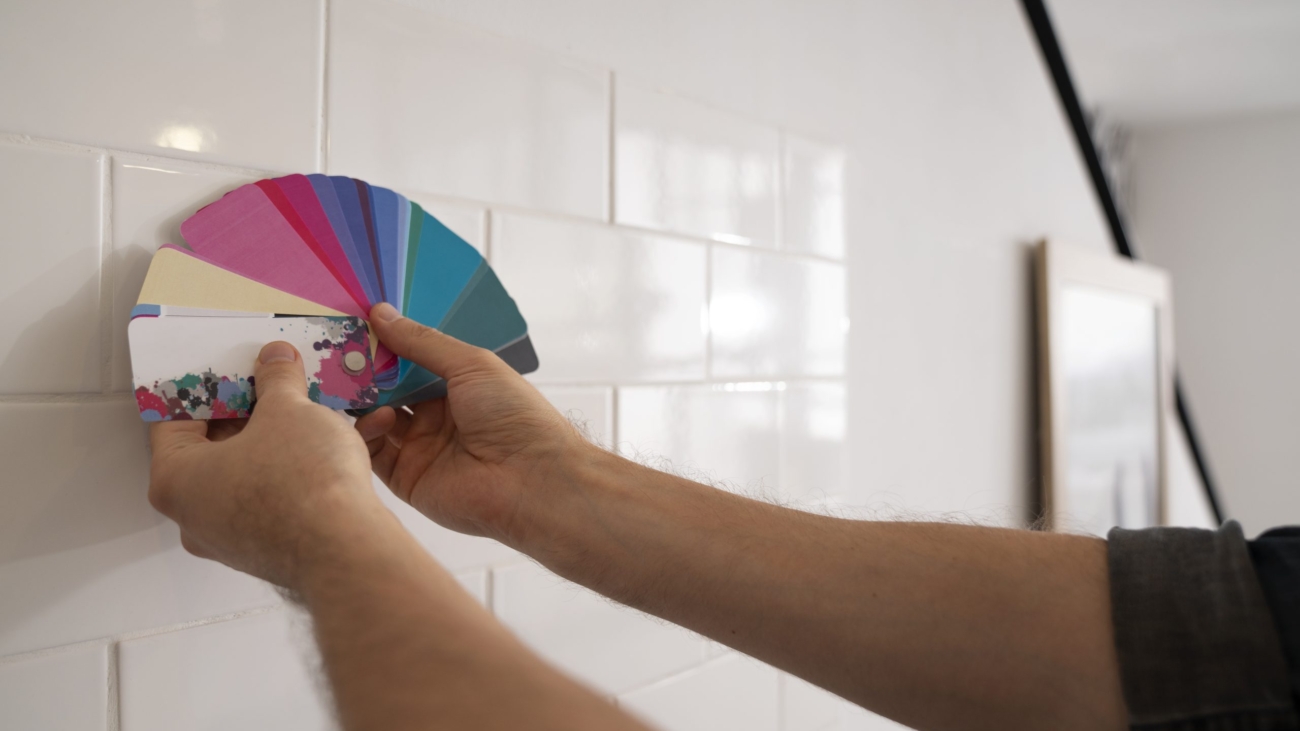
The Secret To Choosing The Right Paint Color for Home Stagers

Choosing the right paint color is one of the most crucial and challenging decisions in home staging. Over 40% of paint sold is the wrong color the first time! It’s a common struggle.

Just think about it: a single paint deck holds over 1,200 colors. No wonder most people feel overwhelmed!

But as a home stager and color consultant, you have the power to guide clients to the right choice, saving them time, money, and frustration. The right colors can transform a home, making it feel larger, brighter, and more inviting – helping it sell faster and for top dollar.

The Psychology of Color in Staging

Color has a profound impact on emotions and perceptions. It can influence how people feel in a space and how they interact with it. For example:

Warm colors like red and yellow create a cozy, inviting atmosphere.
Cool colors like blue and green promote relaxation and calm.
Bright, vibrant colors energize a room, making it feel lively and cheerful.

In home staging, the goal is to strike a balance. Neutral enough to appeal to a wide range of buyers but not so bland that it lacks personality.

A sea of beige can feel uninspiring. But a home with too many taste-specific colors can turn buyers away. That’s why finding the perfect neutral paint color is key.

The Three Keys to Understand and Define Color

Most people struggle to see subtle differences in color, especially on small paint swatches. That’s why understanding three key ways to define color will help you make the right choices.

  1. Light vs. Dark or Tints vs. Shades

This refers to the amount of white or black in a color—also known as its tint (adding white) or shade (adding black).

For example, let’s look at Sherwin Williams’ Cocoa Whip (SW9084). It’s darker than Realist Beige (SW6078) but lighter than Sable (SW6083).

On a paint strip, you’ll see different tints and shades of the same hue. Why does this matter? Darker colors recede, making a space feel smaller and cozier. Lighter colors advance, making a space feel more open.

  1. Warm vs. Cool Tones

This refers to whether a color has more yellow or blue undertones.

Warm colors (reds, oranges, yellows) feel cozy and inviting. Cool colors (blues, greens, purples) feel refreshing and calming.

You’ll want to consider the direction a room faces, too. This can also influence how color reads.

North-facing rooms receive cooler light, so warm tones can balance it out. South-facing rooms get warm light, so cooler tones can keep the space from feeling too hot.

  1. Clean vs. Dirty or Vibrant vs. Muted Colors

This is the trickiest, but possibly the most important, way to define color.

Clean colors are pure and vibrant. Dirty colors are muted with hints of gray or brown.

When clean and dirty colors are mixed incorrectly, something feels “off.”

Knowing how to balance clean and dirty colors is crucial to making a home feel fresh and modern.

Staging pro tip: Colors that are a little “dirtier” can often feel more expensive. If a space feels like it is lacking a luxury quality, ask yourself if the colors in the room are too “clean.”

By mastering paint color selection, you become the expert that homeowners and agents turn to for guidance—before they make costly mistakes.

These are all our favorite paints (white included)!

Pro Tips for Selecting Paint Colors for Staging

✔️ Stick to soft, muted tones – Avoid highly saturated colors.

✔️ Use contrast to add depth – Pair light walls with dark accents.

✔️ ️ Test colors in the actual space – Paint swatches on poster board, not directly on the wall.

✔️ Choose finishes wisely – Flat for ceilings, eggshell for walls, semi-gloss for trim.

Become the Color Expert Homeowners Trust

As a home stager, understanding color theory gives you a major competitive edge. You’ll be able to:

✅ Choose the perfect neutral without guessing.

✅ Guide sellers to smart color choices that increase home value.

✅ Avoid common color mistakes that turn buyers off.

HE.D Group Transforms Kyiv Boutique with Artisan Touches and Handcrafted Elegance

HE.D Group has reimagined the interior of Kyiv’s womenswear boutique Love by the Moon, infusing the space with artisanal craftsmanship, custom detailing, and a refined, tactile aesthetic that elevates the shopping experience. The boutique occupies a retail unit in the Ukrainian capital that was previously divided into two small grocery stores, separated by partitions, creating a compact, segmented layout. Despite the unit’s constrained footprint, its high ceilings and large front-facing windows offered the designers an opportunity to open up the interior and fill it with light, transparency, and a sense of spaciousness.

“The large windows inspired the concept of openness,” explained HE.D Group. “We wanted the interior to feel inviting to passersby, to draw them in with lightness and refinement while preserving an air of exclusivity.”

The design transformed the space into a singular, open-plan boutique finished with creamy white walls and elegant chevron flooring. The previous glazed vestibule, which had created a visually cluttered entrance, was removed and replaced with striking red French doors adorned with glossy bobbles, making the entrance both eye-catching and welcoming.

At the heart of the boutique sits a fluted wood service desk, supported by four robust legs, which serves as a functional centerpiece and a sculptural focal point. Behind the desk, a heavy brown curtain conceals the brand’s administrative offices, maintaining a seamless flow between public and private areas.

The boutique’s seating areas reflect the same attention to detail and comfort. Near the desk, plush brown velvet armchairs are paired with a pair of oval coffee tables and a sculptural, wavy-stemmed floor lamp, while large pleated lanterns hang above, adding softness and visual intrigue. Additional seating is located along the windows, where sofas are adorned with cushions upholstered in hand-painted fabrics commissioned exclusively for the boutique.

“Textiles were central to the concept,” the studio noted. “We wanted the interiors to feel tactile, individual, and emotionally resonant. Many fabrics were custom-made, with hand-painted designs that give the boutique a unique, visual identity.”

This commitment to craftsmanship extends to the boutique’s screens and changing room doors, which are covered in the same hand-painted floral fabrics. Each changing cubicle is enhanced with flower-like paper lights and wooden bobbin mirrors, echoing the boutique’s overarching theme of delicate artistry and thoughtful materiality.

In addition to textiles, nearly every timber element in the boutique – including wall paneling, door frames, service desk, and decorative components – was crafted by local artisans following HE.D Group’s precise drawings. This meticulous approach allowed the team to harmonize materials, textures, and shades across the boutique, creating a cohesive, layered, and luxurious environment. Even the bathroom carries subtle wooden bobbin details, reinforcing the artisanal narrative throughout the space.

Kyiv has emerged as a hub for visually striking retail interiors, and Love by the Moon stands out for its combination of craftsmanship, individuality, and refined design. Other notable spaces include Anoeses, an eroticwear store inspired by the human form, and One by One, a womenswear boutique featuring playful elements like cushioned walls and a ball pit.

Through Love by the Moon, HE.D Group has demonstrated how thoughtful design, custom materials, and artisanal detailing can transform a previously mundane retail unit into a boutique that is as visually compelling as it is welcoming, tactile, and deeply memorable.