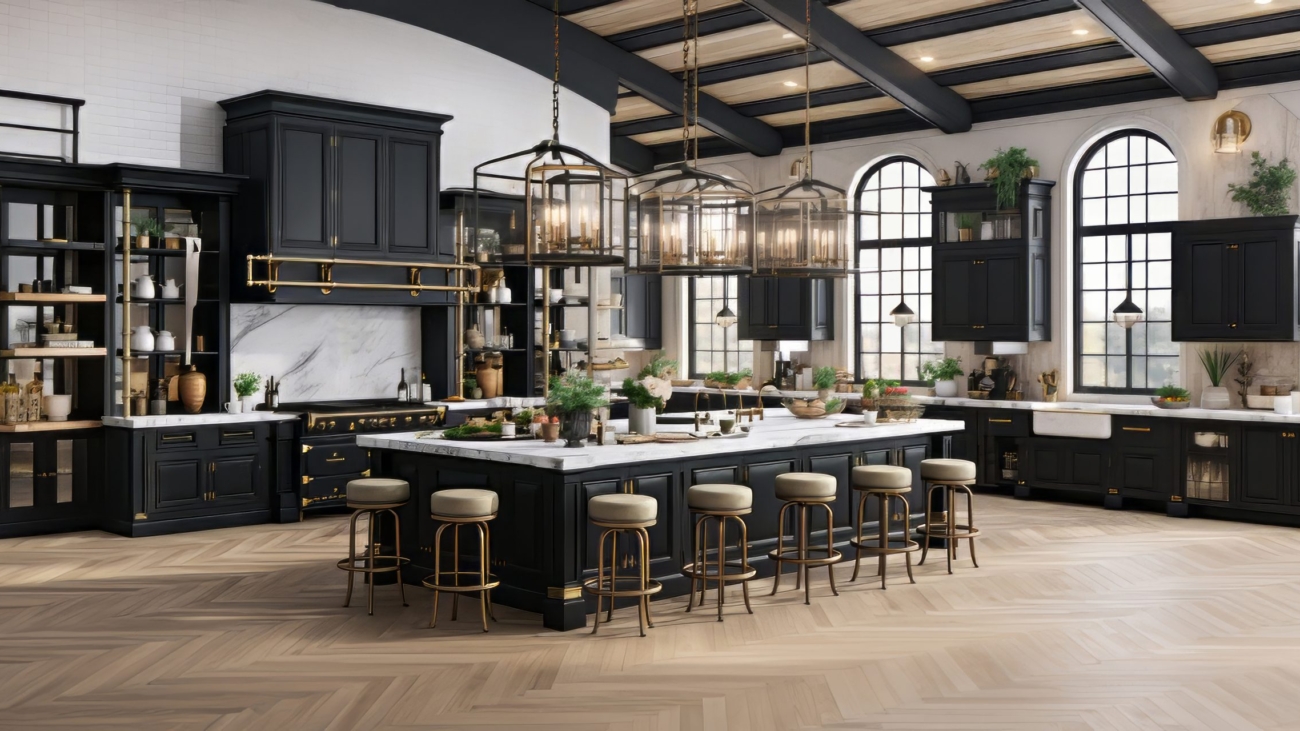

St. Oak: A Stripped-Back Holiday Apartment by a Creative Pair in Germany

In a world where holiday rentals often rely on elaborate decoration and over-the-top amenities to attract guests, St. Oak stands out for its elegance through simplicity. This stripped-back holiday apartment, envisioned and realized by a creative duo in Germany, demonstrates the power of restraint and thoughtful design. From the careful selection of materials to the subtle interplay of light and space, St. Oak is a masterclass in minimalist living, offering a sanctuary that balances functionality, aesthetics, and comfort for travelers seeking a refined retreat.

A Philosophy of Simplicity and Functionality
At the heart of St. Oak is a design philosophy that prioritizes clarity, purpose, and calm. Every element within the apartment has been considered for both form and function. The layout avoids unnecessary partitions, opting instead for an open-plan structure that maximizes the flow of natural light and movement. This openness allows guests to engage with the space rather than simply occupy it, making the apartment feel larger than its footprint suggests. Thoughtful spatial planning ensures that each area—sleeping, cooking, lounging, and dining—serves its purpose seamlessly while maintaining an uncluttered aesthetic.

Materiality and Textural Harmony
One of the most striking aspects of St. Oak is the deliberate choice of materials. Natural wood flooring and exposed beams establish warmth and authenticity, grounding the minimalist interior in tactile comfort. Neutral textiles, such as linen bedding and wool throws, contribute softness, while matte finishes on cabinetry and furniture create a visual calm that contrasts with occasional raw textures, like concrete countertops or subtle metallic fixtures. This careful balance of natural and industrial elements exemplifies modern European sensibilities, blending timeless craftsmanship with contemporary minimalism.

Curated Furniture and Objects
Every piece in St. Oak has been selected not for abundance but for impact. Furniture embodies clean lines, gentle proportions, and understated design, creating an environment that is both functional and visually harmonious. Storage solutions are cleverly integrated, hidden from view to preserve the sense of openness. Decorative elements are minimal yet meaningful—a single sculptural vase, a carefully placed piece of wall art, or a book collection that reflects the creative interests of its owners. These curated choices ensure that the apartment feels personal without feeling cluttered, providing a space where guests can relax and recharge.

Lighting and Atmosphere
The lighting strategy in St. Oak is integral to its inviting atmosphere. Large windows allow daylight to flood the interior, emphasizing the natural textures and highlighting subtle color variations in materials. In the evenings, ambient lighting—soft wall-mounted fixtures, under-cabinet LEDs, and strategically placed pendant lights—creates a warm, cozy environment that encourages unwinding and reflection. The careful layering of natural and artificial light enhances the apartment’s stripped-back aesthetic, making the space feel simultaneously airy and intimate.

A Neutral Palette with Subtle Accents
Color in St. Oak is restrained but purposeful. A neutral palette of whites, beiges, greys, and warm wood tones forms the foundation of the design, providing a calm and cohesive backdrop. Occasional muted accents—such as ochre cushions, soft green plants, or a handwoven rug—introduce subtle visual interest without overwhelming the senses. This approach ensures that the space maintains a timeless quality, allowing guests to personalize their experience while keeping the apartment visually serene.

Integration of Practical Luxury
While St. Oak emphasizes minimalism, it does not compromise on comfort or functionality. The kitchen is compact yet fully equipped, featuring modern appliances seamlessly integrated into the cabinetry for a clean appearance. The bathroom combines sleek fittings with practical storage solutions, providing an efficient yet spa-like environment. Bedroom areas prioritize restful sleep, with high-quality bedding, blackout blinds, and thoughtful acoustic consideration. This balance of practical amenities and design elegance exemplifies the apartment’s ethos of understated luxury.

Connection to the Surroundings
A key aspect of St. Oak’s charm lies in how it interacts with its locale. Positioned within a historic yet evolving German neighborhood, the apartment embraces its context without competing with it. Large windows frame views of surrounding architecture and greenery, inviting guests to appreciate the locale’s character from the comfort of the interior. The stripped-back design serves as a neutral canvas, allowing the outside world to become an extension of the apartment itself.

Design as Experience
Ultimately, St. Oak is more than a holiday rental—it is a thoughtfully composed experience. Every decision, from layout and material selection to lighting and furniture, is intended to create a sense of ease, focus, and aesthetic pleasure. The apartment encourages a slower pace, where guests can enjoy simplicity, reflection, and genuine comfort. Its design demonstrates that minimalism, when executed with care and intention, can be profoundly expressive and luxurious.

Conclusion
St. Oak exemplifies how stripped-back design can elevate the concept of a holiday apartment. Through its deliberate use of space, natural materials, and subtle detailing, it provides a sanctuary for relaxation and inspiration. For travelers seeking an environment that merges functionality, elegance, and comfort without unnecessary embellishment, St. Oak offers a model of contemporary minimalism rooted in thoughtful design. It is a testament to the creative potential of simplicity and a benchmark for holiday accommodations that prioritize both beauty and usability.


First-Time Homebuyer? 10 Essential Tips to Make Your Journey Smooth

Congratulations! You’re About to Buy Your First Home

Buying your first home is one of life’s most exciting milestones—but it’s also a journey full of emotions. You may feel thrilled, nervous, and even a little overwhelmed all at once. At Taylor Morrison, we understand. We’re not just here to build homes; we’re here to guide you every step of the way. To help make your first homebuying experience as smooth and enjoyable as possible, we’ve put together 10 essential tips that will keep you confident, informed, and in control.

1. Know What You Can Truly Afford

Dreaming big is part of the fun, but it’s important to stay realistic. Before falling in love with a home, pre-qualify for a mortgage to understand exactly what you can borrow. Knowing your budget gives you a clear picture of what’s possible, strengthens your negotiating power, and prevents disappointment down the road. Use a free mortgage calculator to see where your numbers fall—and remember, it’s better to buy within your means than overextend yourself.

2. Check and Improve Your Credit

Your credit score is a major factor in securing a favorable mortgage rate. Even small blemishes can affect the interest rate you’re offered. Fortunately, you’re entitled to one free credit report per year from each of the three major bureaus. Take time to review your report, fix errors, and pay down outstanding debts. A few proactive steps can make a significant difference in your homebuying power.

3. Understand Your Lending Options

Mortgages come in many flavors. The two main types are fixed-rate (stable monthly payments for the life of the loan) and adjustable-rate (payments fluctuate with market interest rates). Other factors include the loan term and down payment requirements, which vary by program. Do your research before committing. Understanding the loan options available ensures you won’t be surprised by unexpected terms or fees—and it helps you pick the plan that fits your financial goals.

4. Make a Must-Have List

Before you start touring homes, get clear on your priorities. Do you dream of a large backyard, a three-car garage, or a media room? Separate your “must-haves” from your “nice-to-haves.” This simple exercise keeps you focused while comparing properties, and it helps you avoid impulse decisions that might not meet your long-term needs.

5. Study the Neighborhood

It’s not just the home that matters—location is everything. Research community resale values, safety ratings, school quality, and proximity to work, shops, and entertainment. A modestly priced home in a great neighborhood is often a better investment than an expensive home in a less desirable area. Your future happiness depends as much on the surroundings as on the home itself.

6. Keep Track and Score

As you tour homes, use your lists to “score” each property. Assign numerical values to both must-have and nice-to-have features. Take detailed notes about pros and cons, and compare objectively. This method helps you make clear, thoughtful decisions rather than relying solely on first impressions or emotions.

7. Factor in Price, Payments, and Interest Rates

A lower interest rate can sometimes outweigh a slightly higher purchase price. Over time, a few percentage points can translate into thousands of dollars saved. Don’t just focus on the monthly payment—consider the total cost of financing and how it fits into your long-term financial plan.

8. Remember the Hidden Costs

Owning a home comes with more than just the purchase price. Be prepared for closing costs, property taxes, homeowners association fees, insurance, and private mortgage insurance (PMI). Anticipating these expenses upfront helps you budget accurately and prevents surprises after you move in.

9. New vs. Resale: Know the Difference

Buying a previously owned home can be appealing, but it may come with hidden repair costs—like a new roof, plumbing updates, or electrical rewiring—that can add up quickly. A new home, on the other hand, comes with warranties from both the builder and manufacturers, providing peace of mind and potentially saving you thousands in repairs over the first few years.

10. Follow Your Heart

After checking all the practical boxes, don’t forget the emotional side. Will this home make you feel happy and excited every day? Can you picture yourself building memories here? If your answer is yes, then you’ve likely found a home you’ll love for years to come. Emotional connection matters—your home should be a place where you genuinely feel at ease and excited to return.

Final Thoughts

Buying your first home is both thrilling and life-changing. With these tips, you’ll be better prepared to navigate the process, make smart financial decisions, and find a home that fits both your needs and your dreams. At Taylor Morrison, we’re more than builders—we’re partners in your journey. With the right guidance, planning, and mindset, your first home can be the start of a lifetime of memories and happiness.

The Long Weekend Edit: 11 Hand-Picked Sales to Shop

Long weekends are a perfect opportunity to relax, recharge, and treat yourself—and savvy shoppers know that they also present a prime moment for scoring deals across fashion, home goods, tech, and lifestyle products. “The Long Weekend Edit: 11 Hand-Picked Sales to Shop” is a curated guide designed to help you navigate the best offers, streamline your shopping experience, and make the most of limited-time promotions. In this comprehensive exploration, we’ll uncover not just the discounts, but the strategy behind smart shopping, ensuring that each purchase is both purposeful and value-driven.

Maximizing Your Shopping Strategy
Before diving into sales, it’s essential to establish a clear approach. Hand-picking items based on personal style, lifestyle needs, and long-term utility is crucial. Rather than succumbing to impulse buys, shoppers can focus on products that blend immediate appeal with lasting value. Consider items that upgrade your home environment, enhance everyday routines, or provide wardrobe versatility. Evaluating sales from this perspective ensures that your purchases serve more than a momentary thrill—they become practical additions to your lifestyle.

Fashion Finds for Every Wardrobe
Long weekend sales often include seasonal fashion must-haves, from statement outerwear to classic wardrobe staples. Look for limited-time discounts on versatile pieces such as tailored blazers, cashmere sweaters, or designer footwear. Accessories, including handbags, watches, and jewelry, often feature notable markdowns, offering opportunities to elevate your look with minimal investment. Strategic shopping also means prioritizing quality over quantity—select pieces crafted from durable fabrics and timeless designs that will remain relevant across seasons.

Home Essentials and Lifestyle Upgrades
Beyond clothing, long weekends are an ideal time to explore sales on home décor, furniture, and kitchenware. From statement lighting fixtures to practical organizational tools, these products enhance both the functionality and aesthetic appeal of your living space. Consider investing in high-quality bedding, ergonomic chairs, or multipurpose storage solutions—items that provide long-term comfort and convenience. Limited-time sales may also include outdoor essentials, such as patio furniture or grilling equipment, perfect for enhancing your home’s seasonal versatility.

Technology and Smart Shopping
Tech deals are often among the most anticipated during long weekend sales. Electronics, from smart home devices to laptops, headphones, and tablets, frequently receive significant price reductions. When shopping for tech, prioritize products with robust warranties, favorable reviews, and compatibility with your existing devices. Smart consumers also compare features and consider whether discounted items genuinely meet their needs or simply entice with a lower price tag. This approach ensures you invest wisely in technology that truly improves daily life.

Beauty, Wellness, and Self-Care Finds
Long weekends provide an opportunity to invest in personal wellness, and many sales cater to beauty and self-care enthusiasts. Skincare sets, premium haircare products, and curated wellness packages can often be found at reduced prices. By selecting high-quality items during these promotions, shoppers can create a personalized self-care routine without overextending their budget. Additionally, wellness-focused purchases, such as home exercise equipment or relaxation aids, can contribute to long-term physical and mental health.

Curated Selection of 11 Top Sales
This hand-picked edit highlights eleven of the most compelling sales across categories. Each selection is chosen based on a combination of discount value, product quality, and practical application. By narrowing focus to these standout deals, shoppers can save time while ensuring they capitalize on offers that genuinely enhance their lifestyle. From designer clothing to functional home items, this curated approach makes navigating a crowded sale landscape efficient and effective.

Timing and Availability
A key element of successful long weekend shopping is timing. Limited-time sales often sell out quickly, so planning ahead is essential. Signing up for newsletters, setting alerts, and bookmarking desired items can help secure purchases before popular products disappear. Understanding store policies on returns, exchanges, and price matching also protects against buyer’s remorse, ensuring a seamless experience from cart to checkout.

Sustainability and Conscious Shopping
Modern shoppers increasingly consider the sustainability and ethical implications of their purchases. Hand-picking items with durable materials, responsible manufacturing, or eco-friendly packaging can make long weekend deals both economical and socially conscious. By prioritizing these criteria, shoppers can enjoy discounts while supporting brands that align with their values—a meaningful approach that elevates the impact of each purchase.

Conclusion
“The Long Weekend Edit: 11 Hand-Picked Sales to Shop” is more than a list of promotions—it is a roadmap for strategic, thoughtful, and rewarding shopping. By focusing on carefully curated selections across fashion, home, technology, and wellness, consumers can maximize value while enriching their daily lives. Approaching sales with intentionality, balancing immediate desires with long-term utility, and factoring in quality, style, and sustainability ensures that each purchase is an investment rather than an impulse. With this comprehensive guide, shoppers can confidently navigate long weekend sales, securing products that elevate their lifestyle and provide satisfaction well beyond the holiday.

Kitchen of the Week: A Zesty Combination of Old and New by an Aspiring Interior Designer

Kitchens are often described as the heart of a home, and this week’s featured design exemplifies how thoughtful blending of old and new elements can transform a functional space into a vibrant, inspiring hub. Conceptualized by an emerging interior designer, this kitchen showcases a bold, inventive approach that balances contemporary innovations with classic touches, demonstrating that striking aesthetics and practical functionality can coexist seamlessly. The result is a space that feels both inviting and dynamic, reflecting a fresh perspective on modern kitchen design.

A Dialogue Between Eras
The defining feature of this kitchen is its nuanced interplay between historical charm and contemporary flair. Original architectural details—such as exposed brickwork, vintage moldings, or reclaimed wooden beams—anchor the design in tradition, providing warmth and texture that evoke a sense of history. Against this backdrop, sleek cabinetry, modern countertops, and state-of-the-art appliances introduce a clean, minimalist aesthetic, ensuring the space feels light, fresh, and highly functional. This delicate juxtaposition of old and new creates a layered, visually compelling environment where each element complements the other rather than competing for attention.

Functional Zoning and Workflow
Beyond aesthetics, the kitchen is designed with practicality at its core. Distinct zones for cooking, prep, and cleanup ensure efficient workflow for both everyday routines and entertaining. The layout strategically positions key elements—such as the stove, sink, and refrigerator—within easy reach, minimizing unnecessary steps and enhancing convenience. Storage solutions combine hidden compartments with open shelving, offering versatility while maintaining a visually clean appearance. Pull-out drawers, pantry organizers, and integrated appliance storage maximize functionality without sacrificing style, a hallmark of thoughtful design.

Materiality and Textural Contrast
A central theme in this kitchen is the strategic use of materials to create contrast and visual interest. Matte and high-gloss finishes coexist on cabinetry, while natural stone, wood, and metallic accents contribute both texture and warmth. The countertops, for instance, may pair a durable quartz surface with reclaimed wooden island panels, merging contemporary durability with rustic charm. Brass or copper hardware adds subtle sophistication, while backsplashes of patterned tiles or polished stone serve as focal points that enhance the character of the space. The careful layering of materials underscores the designer’s ability to harmonize diverse elements without creating visual clutter.

Lighting That Enhances Both Form and Function
Lighting is another critical component in the success of this design. The space utilizes layered lighting strategies that combine ambient, task, and accent illumination. Recessed ceiling fixtures provide overall brightness, while under-cabinet LED strips ensure optimal visibility for food preparation. Statement pendant lights above the island or dining area contribute sculptural interest, simultaneously drawing the eye and enhancing the room’s personality. The designer’s attention to light ensures that the kitchen feels vibrant and functional throughout the day, while highlighting key textures and design features.

Color Palette and Accents
The color palette strikes a careful balance between energetic vibrancy and enduring sophistication. Muted neutrals on walls and cabinetry provide a timeless foundation, while pops of bold color—such as a zesty green or a sun-kissed yellow on accent furniture, appliances, or decor—inject personality into the space. Accessories, from artisanal ceramics to strategically placed greenery, further enhance the lively yet cohesive aesthetic. This approach illustrates how thoughtful use of color can transform a kitchen from a purely utilitarian area into a vibrant, uplifting environment.

Incorporating Modern Technology
Despite its nod to tradition, the kitchen embraces modern technology to enhance convenience and efficiency. Integrated smart appliances, touchless faucets, and innovative storage solutions allow the space to meet contemporary expectations while remaining visually harmonious. The designer has managed to incorporate technology without undermining the charm of the classic architectural elements, proving that functionality and beauty can coexist seamlessly in modern kitchen design.

A Space for Social Connection
One of the most compelling aspects of this kitchen is its role as a social hub. The layout encourages interaction, with a central island or breakfast bar providing a casual gathering point for family or guests. Comfortable seating areas, combined with visually engaging design details, create a space that is as much about community and conversation as it is about cooking. This design demonstrates that a kitchen can be both highly functional and deeply inviting, fostering a sense of warmth and belonging.

Conclusion
This week’s kitchen exemplifies how an aspiring interior designer can reimagine a space by blending historical elements with modern innovation. The careful balance of textures, colors, and functional zones results in a kitchen that is visually striking, highly efficient, and entirely livable. It serves as a reminder that the most successful kitchen designs are those that respect the past while embracing the present—creating spaces that feel timeless, practical, and uniquely personal. By combining traditional charm with contemporary features, this kitchen achieves a dynamic, zesty aesthetic that inspires both homeowners and designers alike, proving that thoughtful design can elevate even the most everyday of spaces into something extraordinary.

2025 Interior Design and Home Staging Trends

As home stagers, it is important to stay up-to-date on interior design trends. Of course, most of your staging inventory, especially case goods, should be neutral and as timeless as possible, but you will add in more trendy items into things like art and accessories.

Many stagers are now offering design services like short-term rental styling and this is where you can really lean more into design trends. Successful Airbnbs typically marry the local aesthetic with up-to-date design trends.

Since the furnishings in a vacation rental will get much more use than your staging furniture, Airbnbs will also likely need to refresh more often. That bachelor party that got a little too rowdy might knock a piece of art off the wall, and the guest that brought a misbehaved dog might leave spots on the rug. This inevitable turnover offers an opportunity to keep the Airbnb trendy.

These are the trends we are seeing and expecting to see more of in 2025.

Deep, rich hues are making a comeback, and color drenching dark cherry red is leading the charge.

For a recent Airbnb design project for a tiny cabin, we were inspired by the Farrow & Ball color Brinjal. It is absolutely gorgeous and so trendy right now! But, short-term rentals are all about making the highest return on investment, so we opted for a less expensive dupe: Sherwin-Williams® Deep Maroon.

This bold color brings warmth and sophistication to the cabin, and guests have been loving the vintage library vibes. It has been booked every weekend since it first went on Airbnb a few months ago!

Book your stay at the western North Carolina vacation cabin here. The private hot tub is a perfect place to spot a baby bear stealing fruit from the peach tree!

And this is how we incorporated cherry-colored elements into a recent staging project. Notice only the chairs and pillows are the bold color. You don’t want to go overboard with purchasing colors, but a few pops here and there can be a huge asset to your inventory.

Cherries Are the New Bows

Last year, our trends blog predicted that bows would be everywhere. And wow! Are they ever.

You will still see a lot of bows for much of the year, but cherries are quickly replacing them as the “it” motif. While you might expect them to first show up in kitchens, look for cherries in bedrooms too.

As a stager, you might incorporate a cherry-print pillow or some art. If you’re designing a short-term rental, use that as an opportunity to make a cherry bedroom! Airbnbs can be way more taste-specific and follow trends, so why not dive deep into that American-farmhouse style for one of your projects this year?

Staging Tip: Pair dark cherry red with muted tones like brown or matte black to ground the design and avoid overwhelming the space.

Tassels, Texture, and Maximalism

Tassels, layered textiles, and ornate details reminiscent of the Rococo period are trending. From grand couches and furniture to intricately detailed lampshades, designers are embracing playful, feminine maximalism. Think of it as replacing the Grand Millennial style with French Maximalism.

Consider mixing vintage finds, like estate-sale tassel lamps or textured rugs, with modern pieces to achieve a curated, yet contemporary, look in your home staging and design projects.

Bench Seat Sofas and Canopy Beds

Furniture trends are shifting towards timeless comfort and elegance.

Bench seat sofas, known for their seamless, cushion-free design, are gaining popularity for their clean lines and modern feel. As is usual for newer styles, these bench-seat sofas are currently more expensive than multi-cushion dupes. It is important to balance the impact of those extra lines on the sofa with the added inventory expense. Will it make that much difference? Will people, other than designers, even notice?

Notice the picture below. We love the look of this Four Hands sofa we have in our inventory, but remember that when you pay more for your inventory, your margins either get slimmer or you have to charge more. Will your market bear the higher price?

Meanwhile, canopy and four-poster beds are making a resurgence, offering a sense of grandeur and intimacy.

Canopy and poster beds are difficult to use in staging as they require more time to set up and they can be more visually imposing – NOT the effect you want! But for Airbnbs, canopy beds could be the perfect thing to add romance and interest to a room.

Photo and staging by Staging Studio.

Color and Pattern Drenching

Color drenching trended in 2024 and it isn’t going anywhere in 2025. Drenching is when walls, trim, and sometimes ceilings are painted in a single hue. It provides a cohesive, immersive experience that can make a room feel larger and more intentional.

Not only is color drenching still in, but pattern drenching is on the list too. In most cases, pattern drenching may be too taste-specific for staging, but consider it for making a statement in design and short-term rental projects.

Playful Maximalism

Fun is on trend! Think contrast trim, mix-and-match bold patterns, eclectic prints, and more color.

At Las Vegas Market, we saw many neutral aesthetic games used as decor, like dice, tic-tac-toe, and stacking blocks.

Clustered Coffee Tables

Clustered and nested coffee tables are dominating luxury living room layouts, adding movement, scale, and visual interest.

Photo and staging by Staging Studio.

Nested coffee tables have been trending, but start thinking about it as a cluster of tables. The photo below (AI, so not perfect) is close to this idea. Take this and add another smaller table to join the bunch!

This trend aligns with playful maximalism, where design elements don’t just serve a function, but also contribute to the room’s overall artistry.

Other 2025 Design Trends to Watch

A few other trends we’re seeing are terracotta (did it ever really go away?), round stools (these are perfect for stagers because they’re easy to store in the warehouse!), and extra long lumbar pillows. Shag rugs are making a return, and the boucle trend isn’t going anywhere this year.

These 2025 design trends encourage boldness, personality, and a mix of textures, colors, and eras. By integrating dark cherry red accents, incorporating maximalist elements, and balancing vintage with modern, you can create striking, memorable spaces that capture the imaginations of buyers and travelers.

How to Submit Your Home Staging Projects for Industry Awards

If you’re a home stager looking to gain recognition for your hard work, then submitting for the RESA® Home Staging Industry Awards™ should be at the top of your to-do list. These prestigious awards are not just about adding a title to your resume—they are about setting yourself apart, showcasing your expertise, and growing your home staging brand.

We’re here to take the headache out of submissions with this step-by-step guide to submitting your home staging projects for industry awards.

What Are the RESA® Home Staging Industry Awards™?

Established in 2008 by the Real Estate Staging Association (RESA)®, the Home Staging Industry Awards™ recognize the best of the best in the staging industry.

Over the years, Staging Studio students have been nominated for hundreds of awards, including Jason Saft of Staged To Sell Home (Luxury Vacant Staging United States 2024), Ashley Tapley of House Candy Home (Occupied Staging United States 2022), Heather Good of Attractive Interiors (Luxury Home Staging Team of the Year 2020), and countless others. The awards honor home stagers who demonstrate exceptional talent, professionalism, and innovation.

These awards are peer-voted, meaning they are judged by fellow industry professionals through a blind voting process. This ensures fairness and highlights the credibility of winners and finalists.

Why Should You Submit for Staging and Design Awards?
Differentiate Yourself From Competitors

Whether you’re a seasoned pro or a rising star, winning or even being a finalist, can have a huge impact on your business! Our own staging business grew by leaps and bounds when we began winning awards for our staging excellence.

Marketing yourself as a RESA® Award Winner or Finalist sets you apart from the competition. Being able to say something like “I am an award-winning stager” or “the best Airbnb designer in the USA” builds confidence in your work. Clients, real estate agents, and industry peers will see you as a trusted expert, leading to more opportunities and referrals.

Increase Your Visibility & Marketing Power

RESA® actively promotes award finalists and winners throughout the year. Your staging projects could be featured in:

✔ RESA® marketing materials
✔ Online staging guides
✔ RESA®’s website and social media
✔ Staging Studio’s annual announcement of award winners

That kind of exposure helps boost your search engine optimization, leads potential clients to find you, and makes it easier to attract new business.

Get Recognized at RESACON

Winners and nominees will be celebrated at the live award show at RESACON, the home staging industry’s largest annual event. Think of it as the Golden Globes of home staging, complete with a glamorous gala event, envelope reveals, award speeches, and professional photos on stage.

Which Categories Can You Enter?

There are multiple award categories tailored to different types of staging and design projects:

For Stagers in the USA

Luxury Vacant Staging Project
Vacant Staging Project
Occupied Staging Project
Short-Term Rental Staging Project
Interior Styling Staging Project
Photo Prep Project of the Year
Rising Star Occupied Project of the Year*
Rising Star Vacant Project of the Year*
Real Estate Agent of the Year

*Note for New Stagers: If you’ve been in business for less than 2 years, the Rising Star categories are perfect for you!

What Are the Requirements for Submitting Photos?

RESA® has some stringent rules when it comes to submitting projects for staging awards.

Throughout the year, whenever you have a great project that you think could win an award, follow these tips to make submissions easy:

Always take quality before and after photos from the same angle.
Make sure all “before” pictures are of a vacant room with no furniture, decor, boxes, construction materials, people, or any other objects in the photo. (Pro Tip: You can take the “before” pictures after destaging.)
Ensure there are no identifiers in the photos. That means anything visible through the window that could identify a geographic location, your moving truck or a car, people, etc.
Keep a dedicated Dropbox folder to organize award-worthy projects throughout the year.

When it’s time to submit, return to that Dropbox folder and find your best before and afters for each category. Rename the files something generic – remember, no identifiers like your staging business name, the street address, or the photographer’s name.

Just Submit – The Stage is Yours!

Don’t let self-doubt hold you back. Whether you’re a seasoned professional or a newcomer to staging, submitting for the RESA® Home Staging Industry Awards™ is a powerful way to elevate your career, showcase your talent, and build your brand.

Ready to take the leap? Submit your project today!

EOI in Real Estate: A Smart Buyer’s Guide to Expressing Interest

Understanding EOI in Real Estate: What It Means and Why It Matters

When navigating the property market, you might come across the term EOI, especially in competitive or high-value transactions. EOI stands for Expression of Interest, a formal yet non-binding way for buyers to indicate their intent to purchase a property without entering into an official contract.

EOI is commonly used in commercial properties, luxury residential listings, and off-market deals. It gives sellers a glimpse into what buyers are willing to offer while giving buyers a chance to put forward their best proposal, including price, settlement terms, and other conditions.

What Is EOI in Real Estate?

An Expression of Interest (EOI) is a formal declaration by a prospective buyer expressing their interest in acquiring a property. While it includes important details such as the proposed price, payment terms, and other conditions, it is not legally binding.

Sellers often use EOI for high-value or off-market properties to assess genuine buyer interest before entering negotiations. This strategic step helps sellers filter serious buyers from casual inquiries and can pave the way for private, one-on-one negotiations.

Why Is EOI Important?

For buyers, submitting an EOI:

  • Demonstrates serious interest without being tied to a legal agreement.
  • Strengthens their position in competitive markets by showcasing readiness and financial capability.

For sellers, EOI:

  • Gauges market demand and filters out casual inquiries.
  • Shortlists serious offers based on price, conditions, and buyer readiness.
  • Encourages competitive proposals as multiple interested buyers compete for the property.

How the EOI Process Works

  1. Property Listing: The property is listed under an EOI campaign for a limited period.
  2. Submission of Offers: Interested buyers submit written offers, detailing price, conditions, settlement terms, and proof of funds.
  3. Confidential Review: EOIs are confidential and reviewed only by the seller and their agent.
  4. Shortlisting and Negotiation: The seller shortlists potential buyers and may request revised offers. Private negotiations follow.
  5. Final Contract: Neither party is obligated to accept or proceed until a formal contract is signed, at which point the agreement becomes legally binding.

Benefits of EOI

For Buyers:

  • Show serious intent: Formally expresses interest in purchasing the property.
  • Flexibility: Conditions and terms can be outlined without legal obligation.
  • Better negotiation opportunities: A strong EOI can open doors to direct negotiations with the seller.

For Developers and Sellers:

  • Gauge market demand: Helps evaluate buyer interest in a property.
  • Identify serious buyers: Filters genuine inquiries from casual lookers.
  • Encourages competitive offers: Multiple EOIs can drive up pricing and buyer interest.

Is EOI Legally Binding?

No. An EOI is not a legally binding contract. While it includes proposed price, terms, and conditions, it does not commit either party to a final agreement.

EOI vs Booking Amount: Key Differences

FactorEOI in Real EstateBooking Amount
NatureNot legally bindingBinding commitment with initial payment
StageInitial stage – before final agreementLater stage – after terms accepted
PaymentMay involve a refundable amountFixed and usually non-refundable
Legal StandingNot legally enforceablePart of the official sale agreement
PurposeGauge buyer interest and shortlist offersReserve the property
FlexibilityCan be withdrawn without penaltyCancellation charges may apply

Tips Before Submitting an EOI

  • Do your research: Know the property’s market value, condition, location, and legal status.
  • Understand the EOI: It is non-binding and only shows your interest with proposed terms.
  • Get finances in order: A pre-approved loan strengthens your offer.
  • Seek expert advice: Consult a real estate agent or legal advisor to structure a competitive and clear EOI.
  • Meet deadlines: EOIs submitted after the timeline may not be considered.

Conclusion

An Expression of Interest (EOI) is a smart and strategic tool in real estate transactions. It allows buyers to showcase genuine interest while giving sellers insights into serious prospects. By facilitating private negotiations and encouraging competitive offers, EOI can streamline the buying and selling process, leading to successful outcomes for both parties.

Your Complete Guide to Getting a Tax Residency Certificate: Step by Step

Understanding the Tax Residency Certificate (TRC) and How to Obtain It

If you’re an individual or business dealing with international transactions, a Tax Residency Certificate (TRC) is an essential document. This certificate proves that you are a resident of a specific country for a particular financial year and helps prevent your income from being taxed in two different countries. In short, a TRC is your key to avoiding double taxation while unlocking legal and financial benefits under the Double Taxation Avoidance Agreement (DTAA).

Whether you’re an NRI, a freelancer working with overseas clients, or a company receiving cross-border payments, having a TRC ensures you enjoy lower tax rates or exemptions in foreign countries.

What Is a Tax Residency Certificate (TRC)?

A Tax Residency Certificate (TRC) is issued by a country’s taxation authority to officially confirm the residency status of an individual or organization. If you intend to claim benefits under DTAAs, a TRC is indispensable. It prevents paying tax twice on the same income and may reduce or even exempt your foreign tax obligations.

Who Needs a Tax Residency Certificate?

A TRC is relevant for:

  • Individuals earning income from foreign sources such as rent, salary, or dividends.
  • Freelancers or independent contractors working with international clients.
  • Businesses seeking exemptions or reduced tax rates under DTAAs.
  • Organizations receiving interest, royalties, or other cross-border payments.
  • Companies involved in international trade or services.

Key Benefits of a TRC

Obtaining a TRC brings multiple advantages:

  1. Avoid Double Taxation: Ensure that the same income is not taxed twice, in your resident country and abroad.
  2. Claim Tax Treaty Benefits: Lower or exempted tax rates under international agreements like DTAAs.
  3. Legal Proof of Residency: Serves as official confirmation of your tax residency.
  4. Reduce Tax Burden: Decreases your overall tax liability on foreign income.
  5. Support for Businesses: Essential for companies operating internationally to streamline tax compliance.

Eligibility Criteria for Obtaining a TRC

To apply for a TRC, you must meet the following conditions:

  • Resident Status: You must be a resident of the country for the relevant financial year.
  • PAN Card (for Indian residents): Required for identification and verification.
  • Tax Return Filing: Tax returns must be filed for the year for which you’re seeking the certificate.
  • Residency Proof: Documents like utility bills or rental agreements.
  • Foreign Income Source: You must earn income from abroad to claim DTAA benefits.

Documents Required

Typical documents needed to apply for a TRC include:

  • PAN card copy and valid ID proof (Aadhaar card, passport, etc.)
  • Address proof and recent tax returns
  • Proof of foreign income
  • Self-declaration of residency
  • Cover letter explaining the need for the TRC
  • Passport-size photograph

Submitting these documents allows tax authorities to verify eligibility and grant the certificate.

Step-by-Step Process to Obtain a TRC

  1. Confirm Residency: Ensure you qualify as a resident for the relevant financial year.
  2. Prepare Documents: Collect PAN card, ID proof, residency proof, tax returns, and income details.
  3. Complete Application Form: For Indian residents, fill out Form 10FA.
  4. Submit to Tax Authority: Deliver the form and documents to the local income tax office.
  5. Approval and Issuance: Once verified, the tax department issues the TRC for the requested period.

How Long Does It Take?

Typically, it takes 2–4 weeks to receive a TRC after submission. The timeline depends on the completeness of documents and the workload at the tax office. Ensuring accurate and complete submission helps avoid delays.

Validity and Renewal

  • A TRC is generally valid for the financial year specified in the certificate.
  • Some countries issue it for shorter or longer periods based on local rules.
  • If you continue to earn foreign income, you must renew the TRC annually to claim DTAA benefits.
  • Renewal requires submitting an updated application and documents before the expiry of the current certificate.

Common Mistakes to Avoid

  • Submitting incomplete or incorrect documents
  • Missing deadlines for renewal
  • Misunderstanding DTAA eligibility
  • Ignoring proof of residency requirements

Proper compliance ensures smooth processing and uninterrupted benefits.

Conclusion

A Tax Residency Certificate is crucial for anyone engaged in international income or business. It prevents double taxation, unlocks tax treaty benefits, and serves as a legally recognized proof of residency. With the right documents and careful application, obtaining a TRC can provide significant financial and legal advantages.