
This Just In: A Few New Perks for R/G Subscribers

In an age where subscription services are redefining how audiences engage with content, perks and exclusive benefits have become a crucial way to reward loyalty and enhance user experience. For R/G subscribers, the latest updates bring an exciting set of new offerings designed to provide more value, engagement, and convenience. Whether you are a longtime subscriber or a newcomer, these perks are tailored to elevate your experience, deepen your connection with the platform, and ensure you get the most out of your membership.

Expanded Access to Premium Content
One of the standout enhancements for R/G subscribers is the expansion of premium content access. Subscribers now enjoy early access to select features, exclusive articles, and insider insights that were previously available only to a limited audience. This content spans multiple interests, providing high-quality, curated information that is both informative and engaging. By prioritizing subscriber access, R/G ensures that members remain at the forefront of industry news, trends, and updates, making the subscription more than just a service—it’s a gateway to knowledge.

Enhanced Member Rewards
R/G subscribers are also now eligible for a broader range of rewards, from discounts on partner services to exclusive merchandise offers. These incentives are designed to recognize loyalty and encourage continued engagement. Members can redeem points or access limited-time promotions, creating a dynamic and interactive experience that goes beyond passive subscription. The rewards program reflects a growing trend among digital platforms to provide tangible, meaningful benefits that complement the core service.

Exclusive Community Features
Community engagement is at the heart of the R/G experience, and the new perks include enhanced tools for subscribers to connect, collaborate, and share. Members can participate in exclusive forums, attend virtual events, and access Q&A sessions with experts. These features cultivate a sense of belonging and offer subscribers unique opportunities to network, exchange ideas, and gain insights directly from thought leaders and peers in their fields of interest.

Priority Customer Support and Assistance
Another key addition is prioritized support for subscribers. Members now benefit from faster response times, dedicated support channels, and personalized assistance for navigating services or resolving issues. This premium support ensures a seamless experience, demonstrating R/G’s commitment to providing a high level of service for those who invest in their subscription.

A Curated Experience Tailored to Subscribers
The new perks also include enhanced personalization features. Subscribers can customize their dashboards, select preferred content categories, and receive notifications for updates most relevant to them. This curation ensures that every subscriber’s experience is tailored to their individual interests, saving time while maximizing engagement. By delivering content and opportunities that are specifically aligned with a member’s preferences, R/G strengthens the overall value of the subscription.

Looking Ahead
R/G’s ongoing commitment to subscriber experience signals a forward-thinking approach to digital engagement. By continually updating and expanding perks, the platform ensures that membership remains valuable, relevant, and enticing. These new benefits are more than just extras—they are part of a strategic effort to foster long-term loyalty, encourage active participation, and create a vibrant subscriber ecosystem.

Conclusion
For current and prospective subscribers, these new perks provide a compelling reason to stay engaged and explore the full breadth of what R/G offers. From premium content and exclusive community features to enhanced rewards and priority support, each addition is designed to create a richer, more immersive, and rewarding subscription experience. In an era where digital content is abundant but meaningful engagement is scarce, R/G’s subscriber perks stand out as a thoughtful and professional approach to cultivating loyalty and maximizing value.

Swift Creatives Elevates Home Security with Sleek, Architecturally Inspired Cameras

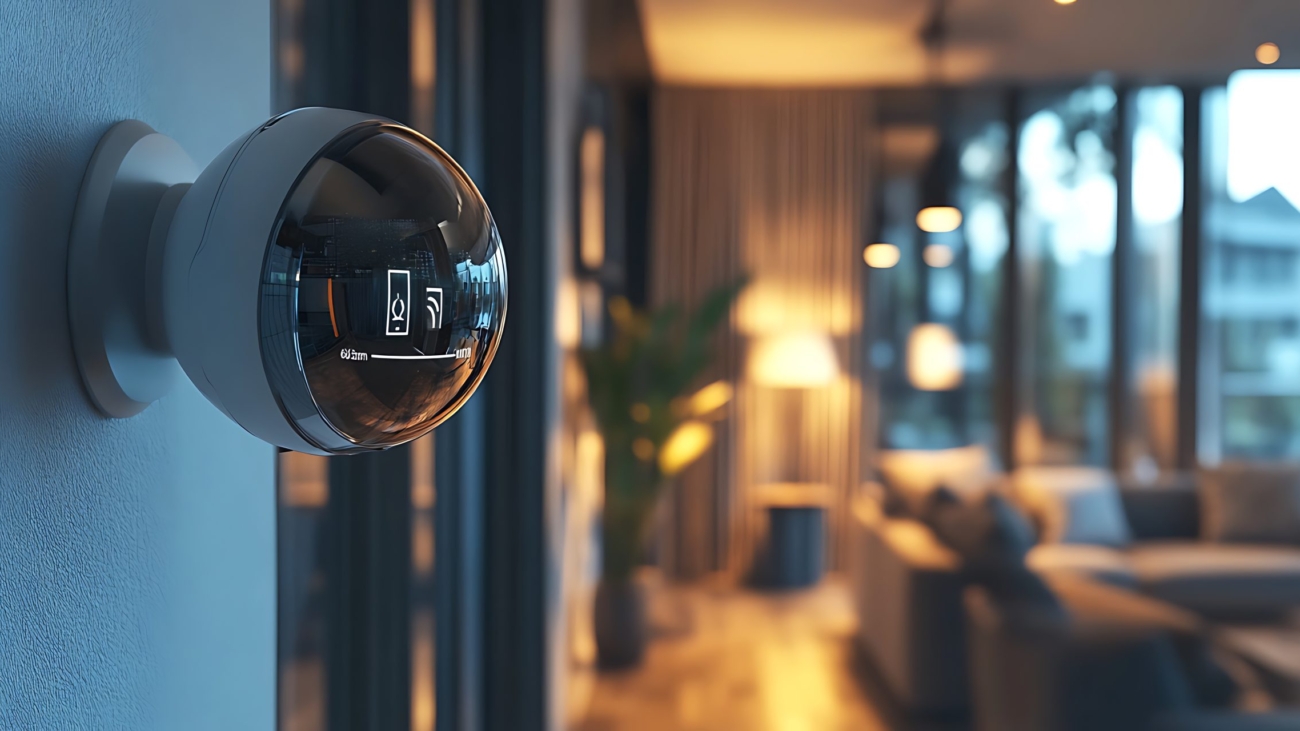
Danish design studio Swift Creatives has reimagined home surveillance with a collection of modular CCTV cameras that blend functionality with playful sculptural forms. Inspired by whimsical “silly straws,” the Sculptural Surveillance system aims to make outdoor security both effective and visually engaging.

The system is crafted from powder-coated aluminum components, each with distinct shapes and functions that can be combined to create a bespoke surveillance solution for gardens, yards, or landscaped areas. Interchangeable heads allow users to integrate cameras, lighting, motion sensors, speakers, and tracing lamps, while the middle extender section can be customized in straight, bent, or wavy configurations.

“This concept not only redefines the practical use of home surveillance but also adds a touch of sculptural and architectural sophistication to outdoor spaces,” explained the Swift Creatives team.

Developed by the studio’s in-house innovation lab in Aarhus, Denmark, Sculptural Surveillance challenges the conventional, utilitarian aesthetics that dominate the modern security market. CEO Carsten Eriksen wanted a playful alternative to bulky, uninspiring CCTV cameras, which inspired the team to explore expressive forms. The resulting system ranges from tall, straight cameras capable of 360-degree rotation to looping, candy-cane-like shapes that double as design features.

Installation is straightforward, thanks to a screw fixture at the base suitable for earth, wood, or concrete. Prototypes have been deployed across Denmark to showcase their versatility and gauge public reaction, which Eriksen describes as “curious, excited, and genuinely enthusiastic.”

The colorful powder-coated aluminum modules make the cameras both durable and eye-catching. Swift Creatives, known for working with brands like LG, Panasonic, and Samsung, has previously designed a smart cooking system for restaurant-quality home meals and won Dezeen and Samsung’s top prize for a kinetic digital mobile featuring gently moving fish.

With Sculptural Surveillance, Swift Creatives proves that home security doesn’t have to be boring—it can be functional, customizable, and delightfully playful.

A Guide to Selling Your Vacant Home

Preparing an unoccupied property for the market is different from arranging one currently being lived in. Maybe your home didn’t sell quickly enough, and you couldn’t pass up on the perfect place you found! Or maybe you owned several properties and had a tenant move out unexpectedly or have acquired a newly built house.

Whatever the reason may be, if you find yourself with a vacant home on your hands that you need to sell, these tips will help you do it successfully!

The for-sale sign outside your vacant property signals an opportunity for burglars to act. Make sure you take the appropriate measures to keep the property safe and protected. Alert local authorities and ask them to make a note of your vacant home. This way, they’ll recognize any strange activity and can even schedule a drive-by every so often. It’s also a good idea to inform your old neighbors that your house will be unoccupied for some time, so they can be attentive and check in with an extra key.

Don’t let the exterior of your vacant home fall to the wayside! Occupied or not, the outside of a home is the first impression buyers get of the space—make sure it doesn’t look neglected and unkempt. Boost curb appeal by mowing the lawn frequently and maintaining the front and back yards. Trim the shrubbery and sculpt the garden and other greenery surrounding the property. A nice set of porch furniture and a welcome mat also adds a charming touch.

The best way to entice buyers is to stage your vacant home so it looks lived in. It’s difficult for people to envision themselves living in an empty space. You need to give their imagination something to work with and show off the best assets of each room. The most efficient and cost-effective option is to have a professional staging company come in to make the place look inviting to potential buyers.

There are also a few small things you can do to make your home look occupied in addition to home staging. Keep the lights on or put them on a timer to give the impression that the house is being used. Don’t forget to grab the newspaper and mail every few days so it doesn’t build up, create clutter, and signal an easy target for burglars.

How to Submit Your Home Staging Projects for Industry Awards

If you’re a home stager looking to gain recognition for your hard work, then submitting for the RESA® Home Staging Industry Awards™ should be at the top of your to-do list. These prestigious awards are not just about adding a title to your resume—they are about setting yourself apart, showcasing your expertise, and growing your home staging brand.

We’re here to take the headache out of submissions with this step-by-step guide to submitting your home staging projects for industry awards.

What Are the RESA® Home Staging Industry Awards™?

Established in 2008 by the Real Estate Staging Association (RESA)®, the Home Staging Industry Awards™ recognize the best of the best in the staging industry.

Over the years, Staging Studio students have been nominated for hundreds of awards, including Jason Saft of Staged To Sell Home (Luxury Vacant Staging United States 2024), Ashley Tapley of House Candy Home (Occupied Staging United States 2022), Heather Good of Attractive Interiors (Luxury Home Staging Team of the Year 2020), and countless others. The awards honor home stagers who demonstrate exceptional talent, professionalism, and innovation.

These awards are peer-voted, meaning they are judged by fellow industry professionals through a blind voting process. This ensures fairness and highlights the credibility of winners and finalists.

Why Should You Submit for Staging and Design Awards?
Differentiate Yourself From Competitors

Whether you’re a seasoned pro or a rising star, winning or even being a finalist, can have a huge impact on your business! Our own staging business grew by leaps and bounds when we began winning awards for our staging excellence.

Marketing yourself as a RESA® Award Winner or Finalist sets you apart from the competition. Being able to say something like “I am an award-winning stager” or “the best Airbnb designer in the USA” builds confidence in your work. Clients, real estate agents, and industry peers will see you as a trusted expert, leading to more opportunities and referrals.

Increase Your Visibility & Marketing Power

RESA® actively promotes award finalists and winners throughout the year. Your staging projects could be featured in:

✔ RESA® marketing materials
✔ Online staging guides
✔ RESA®’s website and social media
✔ Staging Studio’s annual announcement of award winners

That kind of exposure helps boost your search engine optimization, leads potential clients to find you, and makes it easier to attract new business.

Get Recognized at RESACON

Winners and nominees will be celebrated at the live award show at RESACON, the home staging industry’s largest annual event. Think of it as the Golden Globes of home staging, complete with a glamorous gala event, envelope reveals, award speeches, and professional photos on stage.

Which Categories Can You Enter?

There are multiple award categories tailored to different types of staging and design projects:

For Stagers in the USA

Luxury Vacant Staging Project
Vacant Staging Project
Occupied Staging Project
Short-Term Rental Staging Project
Interior Styling Staging Project
Photo Prep Project of the Year
Rising Star Occupied Project of the Year*
Rising Star Vacant Project of the Year*
Real Estate Agent of the Year

*Note for New Stagers: If you’ve been in business for less than 2 years, the Rising Star categories are perfect for you!

What Are the Requirements for Submitting Photos?

RESA® has some stringent rules when it comes to submitting projects for staging awards.

Throughout the year, whenever you have a great project that you think could win an award, follow these tips to make submissions easy:

Always take quality before and after photos from the same angle.
Make sure all “before” pictures are of a vacant room with no furniture, decor, boxes, construction materials, people, or any other objects in the photo. (Pro Tip: You can take the “before” pictures after destaging.)
Ensure there are no identifiers in the photos. That means anything visible through the window that could identify a geographic location, your moving truck or a car, people, etc.
Keep a dedicated Dropbox folder to organize award-worthy projects throughout the year.

When it’s time to submit, return to that Dropbox folder and find your best before and afters for each category. Rename the files something generic – remember, no identifiers like your staging business name, the street address, or the photographer’s name.

Just Submit – The Stage is Yours!

Don’t let self-doubt hold you back. Whether you’re a seasoned professional or a newcomer to staging, submitting for the RESA® Home Staging Industry Awards™ is a powerful way to elevate your career, showcase your talent, and build your brand.

Ready to take the leap? Submit your project today!

2025 Interior Design and Home Staging Trends

As home stagers, it is important to stay up-to-date on interior design trends. Of course, most of your staging inventory, especially case goods, should be neutral and as timeless as possible, but you will add in more trendy items into things like art and accessories.

Many stagers are now offering design services like short-term rental styling and this is where you can really lean more into design trends. Successful Airbnbs typically marry the local aesthetic with up-to-date design trends.

Since the furnishings in a vacation rental will get much more use than your staging furniture, Airbnbs will also likely need to refresh more often. That bachelor party that got a little too rowdy might knock a piece of art off the wall, and the guest that brought a misbehaved dog might leave spots on the rug. This inevitable turnover offers an opportunity to keep the Airbnb trendy.

These are the trends we are seeing and expecting to see more of in 2025.

Deep, rich hues are making a comeback, and color drenching dark cherry red is leading the charge.

For a recent Airbnb design project for a tiny cabin, we were inspired by the Farrow & Ball color Brinjal. It is absolutely gorgeous and so trendy right now! But, short-term rentals are all about making the highest return on investment, so we opted for a less expensive dupe: Sherwin-Williams® Deep Maroon.

This bold color brings warmth and sophistication to the cabin, and guests have been loving the vintage library vibes. It has been booked every weekend since it first went on Airbnb a few months ago!

Book your stay at the western North Carolina vacation cabin here. The private hot tub is a perfect place to spot a baby bear stealing fruit from the peach tree!

And this is how we incorporated cherry-colored elements into a recent staging project. Notice only the chairs and pillows are the bold color. You don’t want to go overboard with purchasing colors, but a few pops here and there can be a huge asset to your inventory.

Cherries Are the New Bows

Last year, our trends blog predicted that bows would be everywhere. And wow! Are they ever.

You will still see a lot of bows for much of the year, but cherries are quickly replacing them as the “it” motif. While you might expect them to first show up in kitchens, look for cherries in bedrooms too.

As a stager, you might incorporate a cherry-print pillow or some art. If you’re designing a short-term rental, use that as an opportunity to make a cherry bedroom! Airbnbs can be way more taste-specific and follow trends, so why not dive deep into that American-farmhouse style for one of your projects this year?

Staging Tip: Pair dark cherry red with muted tones like brown or matte black to ground the design and avoid overwhelming the space.

Tassels, Texture, and Maximalism

Tassels, layered textiles, and ornate details reminiscent of the Rococo period are trending. From grand couches and furniture to intricately detailed lampshades, designers are embracing playful, feminine maximalism. Think of it as replacing the Grand Millennial style with French Maximalism.

Consider mixing vintage finds, like estate-sale tassel lamps or textured rugs, with modern pieces to achieve a curated, yet contemporary, look in your home staging and design projects.

Bench Seat Sofas and Canopy Beds

Furniture trends are shifting towards timeless comfort and elegance.

Bench seat sofas, known for their seamless, cushion-free design, are gaining popularity for their clean lines and modern feel. As is usual for newer styles, these bench-seat sofas are currently more expensive than multi-cushion dupes. It is important to balance the impact of those extra lines on the sofa with the added inventory expense. Will it make that much difference? Will people, other than designers, even notice?

Notice the picture below. We love the look of this Four Hands sofa we have in our inventory, but remember that when you pay more for your inventory, your margins either get slimmer or you have to charge more. Will your market bear the higher price?

Meanwhile, canopy and four-poster beds are making a resurgence, offering a sense of grandeur and intimacy.

Canopy and poster beds are difficult to use in staging as they require more time to set up and they can be more visually imposing – NOT the effect you want! But for Airbnbs, canopy beds could be the perfect thing to add romance and interest to a room.

Photo and staging by Staging Studio.

Color and Pattern Drenching

Color drenching trended in 2024 and it isn’t going anywhere in 2025. Drenching is when walls, trim, and sometimes ceilings are painted in a single hue. It provides a cohesive, immersive experience that can make a room feel larger and more intentional.

Not only is color drenching still in, but pattern drenching is on the list too. In most cases, pattern drenching may be too taste-specific for staging, but consider it for making a statement in design and short-term rental projects.

Playful Maximalism

Fun is on trend! Think contrast trim, mix-and-match bold patterns, eclectic prints, and more color.

At Las Vegas Market, we saw many neutral aesthetic games used as decor, like dice, tic-tac-toe, and stacking blocks.

Clustered Coffee Tables

Clustered and nested coffee tables are dominating luxury living room layouts, adding movement, scale, and visual interest.

Photo and staging by Staging Studio.

Nested coffee tables have been trending, but start thinking about it as a cluster of tables. The photo below (AI, so not perfect) is close to this idea. Take this and add another smaller table to join the bunch!

This trend aligns with playful maximalism, where design elements don’t just serve a function, but also contribute to the room’s overall artistry.

Other 2025 Design Trends to Watch

A few other trends we’re seeing are terracotta (did it ever really go away?), round stools (these are perfect for stagers because they’re easy to store in the warehouse!), and extra long lumbar pillows. Shag rugs are making a return, and the boucle trend isn’t going anywhere this year.

These 2025 design trends encourage boldness, personality, and a mix of textures, colors, and eras. By integrating dark cherry red accents, incorporating maximalist elements, and balancing vintage with modern, you can create striking, memorable spaces that capture the imaginations of buyers and travelers.

The Secret To Choosing The Right Paint Color for Home Stagers

Choosing the right paint color is one of the most crucial and challenging decisions in home staging. Over 40% of paint sold is the wrong color the first time! It’s a common struggle.

Just think about it: a single paint deck holds over 1,200 colors. No wonder most people feel overwhelmed!

But as a home stager and color consultant, you have the power to guide clients to the right choice, saving them time, money, and frustration. The right colors can transform a home, making it feel larger, brighter, and more inviting – helping it sell faster and for top dollar.

The Psychology of Color in Staging

Color has a profound impact on emotions and perceptions. It can influence how people feel in a space and how they interact with it. For example:

Warm colors like red and yellow create a cozy, inviting atmosphere.
Cool colors like blue and green promote relaxation and calm.
Bright, vibrant colors energize a room, making it feel lively and cheerful.

In home staging, the goal is to strike a balance. Neutral enough to appeal to a wide range of buyers but not so bland that it lacks personality.

A sea of beige can feel uninspiring. But a home with too many taste-specific colors can turn buyers away. That’s why finding the perfect neutral paint color is key.

The Three Keys to Understand and Define Color

Most people struggle to see subtle differences in color, especially on small paint swatches. That’s why understanding three key ways to define color will help you make the right choices.

  1. Light vs. Dark or Tints vs. Shades

This refers to the amount of white or black in a color—also known as its tint (adding white) or shade (adding black).

For example, let’s look at Sherwin Williams’ Cocoa Whip (SW9084). It’s darker than Realist Beige (SW6078) but lighter than Sable (SW6083).

On a paint strip, you’ll see different tints and shades of the same hue. Why does this matter? Darker colors recede, making a space feel smaller and cozier. Lighter colors advance, making a space feel more open.

  1. Warm vs. Cool Tones

This refers to whether a color has more yellow or blue undertones.

Warm colors (reds, oranges, yellows) feel cozy and inviting. Cool colors (blues, greens, purples) feel refreshing and calming.

You’ll want to consider the direction a room faces, too. This can also influence how color reads.

North-facing rooms receive cooler light, so warm tones can balance it out. South-facing rooms get warm light, so cooler tones can keep the space from feeling too hot.

  1. Clean vs. Dirty or Vibrant vs. Muted Colors

This is the trickiest, but possibly the most important, way to define color.

Clean colors are pure and vibrant. Dirty colors are muted with hints of gray or brown.

When clean and dirty colors are mixed incorrectly, something feels “off.”

Knowing how to balance clean and dirty colors is crucial to making a home feel fresh and modern.

Staging pro tip: Colors that are a little “dirtier” can often feel more expensive. If a space feels like it is lacking a luxury quality, ask yourself if the colors in the room are too “clean.”

By mastering paint color selection, you become the expert that homeowners and agents turn to for guidance—before they make costly mistakes.

These are all our favorite paints (white included)!

Pro Tips for Selecting Paint Colors for Staging

✔️ Stick to soft, muted tones – Avoid highly saturated colors.

✔️ Use contrast to add depth – Pair light walls with dark accents.

✔️ ️ Test colors in the actual space – Paint swatches on poster board, not directly on the wall.

✔️ Choose finishes wisely – Flat for ceilings, eggshell for walls, semi-gloss for trim.

Become the Color Expert Homeowners Trust

As a home stager, understanding color theory gives you a major competitive edge. You’ll be able to:

✅ Choose the perfect neutral without guessing.

✅ Guide sellers to smart color choices that increase home value.

✅ Avoid common color mistakes that turn buyers off.

1930s Amsterdam Home Transformed: Studio &Space Highlights an Iconic Spiral Staircase

Studio &Space Transforms 1930s Amsterdam Home into a Sophisticated Family Haven

Dutch design firm Studio &Space has breathed new life into a timeworn 1930s Amsterdam house, turning it into a luxurious family home adorned with bespoke furnishings and refined finishes reminiscent of a high-end hotel.

The homeowners, a female entrepreneurial couple with two young children, commissioned Studio &Space founder Maike Borst to modernize the property in Amsterdam Zuid after returning to the city from the countryside.

Preserving Heritage, Embracing Modern Comforts

The 275-square-metre interior had not been renovated for decades. Studio &Space undertook an extensive renovation that brought the home up to date while preserving its original charm—bay windows, stained glass, and elegant arched doorways remain central to the design.

“I have always admired 1930s architecture for its craftsmanship, detailing, and simple geometric forms. This house is a beautiful example,” Borst told Dezeen.

One of the home’s standout features is its iconic spiral staircase, which Borst extended to the attic level. “I fell in love immediately with the staircase—it defines the character of the home. From the start, I wanted to honor the original details while designing an interior that respects the home’s heritage.”

Family Living Meets Luxury Hotel Aesthetics

The renovation balances original details with contemporary family needs. The home now includes a gym, sauna, two bathrooms, four bedrooms, a walk-in closet, and a play/TV room. To accommodate these additions, the main house was connected to a garage and a rear shed, creating a seamless internal entrance.

The attic-level gym and sauna were added alongside a dormer window, ensuring functionality without compromising the home’s architectural integrity.

The interior palette draws inspiration from the clients’ travels, particularly to the south of France, where they enjoy staying in luxurious hotels. Rich, tactile materials—aged brass, warm wood, and natural stone—blend with custom and contemporary furnishings, creating a space that feels personal, bold, and intimate.

A Kitchen to Impress

The kitchen, designed in collaboration with Amsterdam-based Eginstill, features a central island with a lacquered relief pedestal and a patterned quartzite countertop that anchors the room. Upholstered bar stools, velour-clad chairs, and a curved dining bench create a cozy, inviting atmosphere, complemented by ambient lighting and a mirrored-back bar.

Bedrooms That Feel Like a Getaway

The principal bedroom evokes a luxury hotel experience, with natural woven wall coverings and a walk-in wardrobe crafted from aged wood. The bathrooms feature tactile materials like onyx countertops, slatted timber accents, art deco-inspired lighting, and aged brass fixtures, balancing sophistication with comfort.

The children’s bedroom is a layered, tactile space featuring a custom-built bunk bed with a playful hideaway, crafted from sculptural wooden panels inspired by the home’s original teak garage doors.

A Thoughtful, Cohesive Renovation

Studio &Space’s renovation honors the home’s 1930s heritage while embracing contemporary needs and family life. The result is a home that feels luxurious yet approachable, sophisticated yet lived-in, and utterly unique—a testament to thoughtful design that bridges past and present.

Other Amsterdam homes recently featured on Dezeen include an apartment in a former sugar refinery and a renovated 1920s Amsterdam School-style house, showcasing the city’s rich architectural diversity.

Current Obsessions: Do Not Disturb

In a world increasingly dominated by constant notifications, relentless schedules, and digital interruptions, the concept of “Do Not Disturb” has evolved beyond a simple phone setting—it has become a cultural phenomenon and a design ethos. From tech-free retreats to lifestyle habits and spatial design choices, modern individuals are seeking ways to reclaim focus, serenity, and uninterrupted time. This guide explores the current obsessions with “Do Not Disturb,” highlighting how people, technology, and home environments are adapting to protect mental clarity, enhance productivity, and cultivate personal well-being.

Redefining Privacy in the Digital Age
The digital landscape has made privacy both more necessary and more elusive. Smartphones, smart speakers, and social media platforms constantly demand attention, fragmenting our day and amplifying stress. Activating a “Do Not Disturb” mode is no longer a mere convenience; it is a conscious decision to set boundaries. This act symbolizes a broader cultural movement that prioritizes mental health and encourages intentional use of technology. Experts suggest combining these features with scheduled breaks, screen-time limits, and device-free zones to truly maximize the benefits of disconnection.

Home Design That Supports Serenity
Modern interiors are reflecting this obsession through spaces designed for tranquility and focus. Bedrooms, home offices, and reading nooks are increasingly curated to minimize sensory distractions. Neutral color palettes, natural light, soft acoustics, and minimalistic décor reduce mental clutter, creating environments that encourage calm and introspection. In some cases, dedicated “quiet rooms” or retreat corners within larger homes offer an oasis for meditation, reading, or creative work.

Tech Innovations That Enable Focus
Innovative tools are emerging to complement this lifestyle shift. Smart home devices now include programmable “quiet hours” for notifications, lighting, and sound, while apps offer modes that block social media, emails, and calls during periods of concentration. Noise-canceling headphones, white-noise machines, and AI-driven task management systems are helping professionals and creatives achieve uninterrupted work sessions without sacrificing connectivity when needed.

Fashion and Lifestyle Interpretations
The “Do Not Disturb” philosophy has also permeated lifestyle and fashion trends. Apparel, accessories, and home items feature subtle cues—like pins, signs, or clothing designs—that signal the wearer’s desire for personal space. Beyond functionality, these elements have become expressions of self-care, autonomy, and intention in social and professional settings. Hotels, spas, and coworking spaces now adopt “Do Not Disturb” branding to create environments that respect personal time and mental clarity, offering private areas for relaxation, wellness treatments, or focused work.

Psychological Benefits and Productivity Gains
The obsession with “Do Not Disturb” is not simply a reaction to digital overload; it reflects deeper psychological needs. Studies indicate that uninterrupted time enhances cognitive function, creativity, and problem-solving capabilities. Setting aside periods for focused work, reflection, or leisure reduces stress, prevents burnout, and fosters a sense of control over one’s environment. By prioritizing these moments, individuals are finding renewed energy, improved mental health, and a more balanced approach to daily life.

Cultural Shift Toward Intentional Living
At its core, the current fascination with “Do Not Disturb” represents a cultural shift toward intentional living. It underscores the importance of balance, personal boundaries, and mindful engagement with both technology and human interaction. From digital detoxes to minimalist home interiors, from private wellness retreats to focus-driven workplaces, this movement encourages people to reclaim time, mental space, and a sense of agency. It is a subtle rebellion against constant busyness and an embrace of calm, control, and presence.

Implementing Your Own “Do Not Disturb” Strategy
Adopting this mindset involves both practical steps and thoughtful design:

  • Technology Management: Schedule device-free times, silence notifications, and utilize focus apps to reduce interruptions.
  • Spatial Planning: Designate quiet zones in your home with calming décor, comfortable seating, and natural light.
  • Lifestyle Habits: Incorporate meditation, reading, or reflective journaling into your routine to reinforce mental clarity.
  • Communication Boundaries: Clearly signal availability to colleagues, family, and friends to protect your uninterrupted time.

Conclusion
“Do Not Disturb” is more than a mode—it is a philosophy that speaks to the contemporary desire for focus, privacy, and mental well-being. From home design and lifestyle habits to tech innovations and workplace norms, this obsession is shaping the way we live, work, and interact. By embracing the principles behind “Do Not Disturb,” individuals can cultivate calm, enhance productivity, and create meaningful, uninterrupted moments in a world that rarely pauses. Whether through mindful technology use, intentional interior spaces, or personal routines, the modern pursuit of solitude and focus has never been more relevant—or more necessary.

HE.D Group Transforms Kyiv Boutique with Artisan Touches and Handcrafted Elegance

HE.D Group has reimagined the interior of Kyiv’s womenswear boutique Love by the Moon, infusing the space with artisanal craftsmanship, custom detailing, and a refined, tactile aesthetic that elevates the shopping experience. The boutique occupies a retail unit in the Ukrainian capital that was previously divided into two small grocery stores, separated by partitions, creating a compact, segmented layout. Despite the unit’s constrained footprint, its high ceilings and large front-facing windows offered the designers an opportunity to open up the interior and fill it with light, transparency, and a sense of spaciousness.

“The large windows inspired the concept of openness,” explained HE.D Group. “We wanted the interior to feel inviting to passersby, to draw them in with lightness and refinement while preserving an air of exclusivity.”

The design transformed the space into a singular, open-plan boutique finished with creamy white walls and elegant chevron flooring. The previous glazed vestibule, which had created a visually cluttered entrance, was removed and replaced with striking red French doors adorned with glossy bobbles, making the entrance both eye-catching and welcoming.

At the heart of the boutique sits a fluted wood service desk, supported by four robust legs, which serves as a functional centerpiece and a sculptural focal point. Behind the desk, a heavy brown curtain conceals the brand’s administrative offices, maintaining a seamless flow between public and private areas.

The boutique’s seating areas reflect the same attention to detail and comfort. Near the desk, plush brown velvet armchairs are paired with a pair of oval coffee tables and a sculptural, wavy-stemmed floor lamp, while large pleated lanterns hang above, adding softness and visual intrigue. Additional seating is located along the windows, where sofas are adorned with cushions upholstered in hand-painted fabrics commissioned exclusively for the boutique.

“Textiles were central to the concept,” the studio noted. “We wanted the interiors to feel tactile, individual, and emotionally resonant. Many fabrics were custom-made, with hand-painted designs that give the boutique a unique, visual identity.”

This commitment to craftsmanship extends to the boutique’s screens and changing room doors, which are covered in the same hand-painted floral fabrics. Each changing cubicle is enhanced with flower-like paper lights and wooden bobbin mirrors, echoing the boutique’s overarching theme of delicate artistry and thoughtful materiality.

In addition to textiles, nearly every timber element in the boutique – including wall paneling, door frames, service desk, and decorative components – was crafted by local artisans following HE.D Group’s precise drawings. This meticulous approach allowed the team to harmonize materials, textures, and shades across the boutique, creating a cohesive, layered, and luxurious environment. Even the bathroom carries subtle wooden bobbin details, reinforcing the artisanal narrative throughout the space.

Kyiv has emerged as a hub for visually striking retail interiors, and Love by the Moon stands out for its combination of craftsmanship, individuality, and refined design. Other notable spaces include Anoeses, an eroticwear store inspired by the human form, and One by One, a womenswear boutique featuring playful elements like cushioned walls and a ball pit.

Through Love by the Moon, HE.D Group has demonstrated how thoughtful design, custom materials, and artisanal detailing can transform a previously mundane retail unit into a boutique that is as visually compelling as it is welcoming, tactile, and deeply memorable.