
Wright & Wright Reimagines Lambeth Palace: A Harmonious Blend of Tradition and Modernity

London-based architecture studio Wright & Wright has completed an ambitious renovation and extension of Lambeth Palace, the 800-year-old official residence of the Archbishop of Canterbury. Situated on the south bank of the River Thames, this Grade I-listed estate encompasses a remarkable collection of buildings dating back to the 12th century. The recent works involved meticulous restoration, sensitive updating, and strategic interventions to improve accessibility, environmental performance, and functionality while respecting the palace’s rich historical fabric.

This latest project follows Wright & Wright’s 2020 addition of a new library for Lambeth Palace, the first significant new build on the estate in nearly two centuries. Over three years, the studio undertook a comprehensive overhaul, carefully balancing the palace’s layered history with contemporary requirements.

“The masterplan was centered around understanding and working with the complex, multi-era history of Lambeth Palace,” senior associate Leanna Boxill told Dezeen. “Over centuries, successive archbishops either built or ceded land, leaving behind a unique tapestry of architectural styles – from the Chapel and Great Hall to the Blore Building and the Towers. Our work was guided by a principle of continuity and change. Every intervention was carefully considered, in close collaboration with the Church of England, engineers, archaeologists, craftspeople, and Historic England.”

A central focus of the renovation was enhancing accessibility across the estate. At the Victorian-era Blore Building overlooking the main courtyard, a new stone ramp provides an inviting and fully accessible entrance. Internally, four new lifts create smooth circulation between levels, accompanied by the addition of accessible toilets, including a larger Changing Places facility, ensuring the palace is welcoming for all visitors.

Historic interiors were thoughtfully conserved and adapted to contemporary use. The 17th-century Great Hall, which previously housed the palace’s collection of religious texts, has been restored and reopened as a versatile events space. Conservationists and stonemasons carefully repaired the timber ceiling and stone walls, while redundant bookcases were repurposed into elegant timber paneling lining the lower walls.

“The palace hosts a wide variety of charitable and public events, from NHS gatherings to services for veterans, so accessibility was paramount,” Boxill explained. “Our spatial strategy worked like a domino effect: solving one challenge often created opportunities elsewhere. This approach has ensured the palace remains a functioning residence for the Archbishop while seamlessly accommodating large-scale hospitality and events.”

Modern sustainability measures were subtly integrated into the historic site. A new energy center, discreetly concealed behind a metal-clad wall, houses three air-source heat pumps connected to reconfigured service routes and a new system of radiators. The installation was made more efficient through careful attention to double glazing and energy flow, all without disrupting the palace’s daily operations.

The renovation process involved extensive archaeological investigation. Excavations revealed Saxo-Norman deposits, medieval cesspits, Tudor cloisters, and even human skeletal remains beneath the Guard Room, providing valuable insight into the palace’s long and layered history.

Despite the scope of the works, Lambeth Palace remained fully operational throughout the project, hosting the 2,000-person Lambeth Conference as well as rehearsals for major national events, including the Royal Funeral and Coronation.

Founded in 1994 by Sandy and Clare Wright, Wright & Wright has built a reputation for sensitive, thoughtful interventions within historically significant contexts. Beyond Lambeth Palace, the studio’s portfolio includes the renovation and extension of the Museum of the Home in Hackney and the refurbishment of the British Academy headquarters in London, both projects notable for their careful balance of heritage and contemporary design.

With the Lambeth Palace project, Wright & Wright have demonstrated a masterful ability to honor centuries of architectural history while introducing subtle, strategic modern interventions, creating a residence and civic space that is both respectful of its past and fully equipped for the demands of the present.

Nick Vinson Transforms Italian Embassy Into a Celebration of “Made in Italy” Excellence

London-based designer Nick Vinson, in collaboration with heritage specialists Avanti Architects, has undertaken a meticulous renovation of the Italian Embassy’s residence on Grosvenor Square. The project was conceived to celebrate and showcase the very best of Italian design, blending contemporary elegance with the building’s historic character. Featuring products from renowned Italian brands such as Molteni & C, B&B Italia, Flos, and Poltrona Frau, the interiors now function as both a refined home for the Italian ambassador and a carefully curated exhibition of Italy’s design excellence.

The residence occupies the second and third floors of a Grade II-listed building dating back to 1868. The interiors had last been remodeled in 1932 by Wellesley & Will, leaving a layered historical context for Vinson and his team to work with. “We preserved all the significant details from both periods,” Vinson explained, “and paired them with modern Italian furnishings from the latter half of the 20th century up to the present day, chosen for their timeless quality and enduring appeal.”

Central to the renovation was the desire to project a contemporary vision of Italy. As Italian ambassador Inigo Lambertini noted, “The previous interiors no longer reflected modern Italy. Our aim was to blend tradition with modernity, showcasing the elegance of the building while reflecting the vitality and innovation of our country.” The updated residence now serves as a platform to promote the “Made in Italy” ethos, highlighting a diverse array of industrial and artisanal products.

The bedrooms, including the presidential suite, feature iconic Ribbon beds designed by Belgian architect Vincent Van Duysen for Molteni & C. In the presidential suite, the bed is complemented by the D.847.1 writing desk by Italian designer Gio Ponti, a Pagoda Piantana floor lamp by Ignazio Gardella for Tato, and a signature rug designed by Vinson in collaboration with CC-Tapis. Additional furnishings include a chest of drawers by Piero Lissoni for Porro and wall lamps by Charlotte Perriand, supplied by Nemo Lighting. These pieces harmoniously blend heritage, craftsmanship, and contemporary design sensibilities.

The main living area is anchored by a Kyoto coffee table designed by Gianfranco Frattini for Poltrona Frau, accompanied by a Catalina armchair by Luigi Caccia Dominioni for Azucena, and a custom rug conceived by Vinson and CC-Tapis. A striking mirror by Ronan and Erwan Bouroullec for Flos complements the red kitchen, tying together form and function with a sophisticated Italian aesthetic.

In total, the renovation showcases products from 42 carefully selected Italian manufacturers, spanning furniture, lighting, textiles, marble, glass, paint, bathroom fittings, kitchens, radiators, rugs, curtains, and accessories. The residence also displays works by 15 modern and contemporary Italian artists, blending fine art with design to create a holistic representation of Italy’s creative output.

Vinson’s vision for the embassy residence was to create an environment that demonstrates Italy’s design legacy while embracing contemporary lifestyle needs. The project illustrates how historic buildings can be sensitively updated to serve modern purposes, celebrating craftsmanship, quality, and innovation in a context that resonates both politically and culturally.

Other recent projects involving embassy renovations include a US consulate along the Arizona-Mexico border and a distinctly Australian embassy in Washington, D.C., highlighting Vinson’s expertise in merging diplomatic prestige with design excellence.

This renovation not only provides a luxurious, functional residence for the Italian ambassador but also transforms the space into a living showcase of Italy’s rich design heritage—a space where tradition, artistry, and modernity coalesce seamlessly.

First-Time Homebuyer? 10 Essential Tips to Make Your Journey Smooth

Congratulations! You’re About to Buy Your First Home

Buying your first home is one of life’s most exciting milestones—but it’s also a journey full of emotions. You may feel thrilled, nervous, and even a little overwhelmed all at once. At Taylor Morrison, we understand. We’re not just here to build homes; we’re here to guide you every step of the way. To help make your first homebuying experience as smooth and enjoyable as possible, we’ve put together 10 essential tips that will keep you confident, informed, and in control.

1. Know What You Can Truly Afford

Dreaming big is part of the fun, but it’s important to stay realistic. Before falling in love with a home, pre-qualify for a mortgage to understand exactly what you can borrow. Knowing your budget gives you a clear picture of what’s possible, strengthens your negotiating power, and prevents disappointment down the road. Use a free mortgage calculator to see where your numbers fall—and remember, it’s better to buy within your means than overextend yourself.

2. Check and Improve Your Credit

Your credit score is a major factor in securing a favorable mortgage rate. Even small blemishes can affect the interest rate you’re offered. Fortunately, you’re entitled to one free credit report per year from each of the three major bureaus. Take time to review your report, fix errors, and pay down outstanding debts. A few proactive steps can make a significant difference in your homebuying power.

3. Understand Your Lending Options

Mortgages come in many flavors. The two main types are fixed-rate (stable monthly payments for the life of the loan) and adjustable-rate (payments fluctuate with market interest rates). Other factors include the loan term and down payment requirements, which vary by program. Do your research before committing. Understanding the loan options available ensures you won’t be surprised by unexpected terms or fees—and it helps you pick the plan that fits your financial goals.

4. Make a Must-Have List

Before you start touring homes, get clear on your priorities. Do you dream of a large backyard, a three-car garage, or a media room? Separate your “must-haves” from your “nice-to-haves.” This simple exercise keeps you focused while comparing properties, and it helps you avoid impulse decisions that might not meet your long-term needs.

5. Study the Neighborhood

It’s not just the home that matters—location is everything. Research community resale values, safety ratings, school quality, and proximity to work, shops, and entertainment. A modestly priced home in a great neighborhood is often a better investment than an expensive home in a less desirable area. Your future happiness depends as much on the surroundings as on the home itself.

6. Keep Track and Score

As you tour homes, use your lists to “score” each property. Assign numerical values to both must-have and nice-to-have features. Take detailed notes about pros and cons, and compare objectively. This method helps you make clear, thoughtful decisions rather than relying solely on first impressions or emotions.

7. Factor in Price, Payments, and Interest Rates

A lower interest rate can sometimes outweigh a slightly higher purchase price. Over time, a few percentage points can translate into thousands of dollars saved. Don’t just focus on the monthly payment—consider the total cost of financing and how it fits into your long-term financial plan.

8. Remember the Hidden Costs

Owning a home comes with more than just the purchase price. Be prepared for closing costs, property taxes, homeowners association fees, insurance, and private mortgage insurance (PMI). Anticipating these expenses upfront helps you budget accurately and prevents surprises after you move in.

9. New vs. Resale: Know the Difference

Buying a previously owned home can be appealing, but it may come with hidden repair costs—like a new roof, plumbing updates, or electrical rewiring—that can add up quickly. A new home, on the other hand, comes with warranties from both the builder and manufacturers, providing peace of mind and potentially saving you thousands in repairs over the first few years.

10. Follow Your Heart

After checking all the practical boxes, don’t forget the emotional side. Will this home make you feel happy and excited every day? Can you picture yourself building memories here? If your answer is yes, then you’ve likely found a home you’ll love for years to come. Emotional connection matters—your home should be a place where you genuinely feel at ease and excited to return.

Final Thoughts

Buying your first home is both thrilling and life-changing. With these tips, you’ll be better prepared to navigate the process, make smart financial decisions, and find a home that fits both your needs and your dreams. At Taylor Morrison, we’re more than builders—we’re partners in your journey. With the right guidance, planning, and mindset, your first home can be the start of a lifetime of memories and happiness.

Philadelphia’s Dudd Haus Spotlights Bold and “Underrepresented” Design Talent

Philadelphia’s Dudd Haus: A Bold New Hub for Underrepresented Design

Philadelphia now has a permanent stage for emerging, avant-garde design with the opening of Dudd Haus, a gallery launched by Chris Held, co-founder of the ongoing design collective Jonald Dudd. Since its inception in 2015 during NYCxDesign, Jonald Dudd has championed experimental and underrepresented voices in design, and Dudd Haus brings that vision into a physical, year-round space in Old City, Philadelphia.

The gallery’s debut exhibition features furniture, lighting, and objects from 25 of the most exciting talents in contemporary design, many of whom have previously appeared in Jonald Dudd’s itinerant shows. Presented on striking red plinths against plush crushed-velvet curtains, the works create a dramatic, immersive experience, with a central walkway guiding visitors through a curated selection of tables, seating, storage, and lighting.

“Dudd Haus is a natural expansion of the collectivism that has grown around Jonald Dudd over many years,” Held explains. “It continues to address industry pressures, but in a sustained, long-term way. Our goal is collaboration, increased visibility, and ultimately a sustainable livelihood for designers through their work.”

The gallery is housed in a historic building with a long, narrow layout. The front area functions as a retail space, offering smaller objects, literature, and merchandise from studios such as Craighill and Fort Standard, while the back showcases the main exhibition. Checkerboard black-and-white tiles cover the floor, and a four-by-four grid of open wooden box shelves displays additional objects and books, creating a layered, gallery-meets-boutique environment.

Permanent fixtures in the gallery were designed by Held’s own studio, Nice Condo, in collaboration with designer Charles Constantine’s studio, Bestcase. Notable pieces in the inaugural show include a carved limestone table by Mike Newins, a scrying black glass mirror, a stainless steel and wired glass screen by Carl Durrow, and other bold, experimental designs that blur the line between functional object and art.

Dudd Haus also bridges the physical and digital worlds: all pieces on display are available for purchase through the gallery’s online store and via 1st Dibs, allowing design enthusiasts worldwide to engage with the collection. Looking ahead, the gallery will participate in Collectible New York (September 4–7, 2025), presenting work from a curated group of 12 designers, including sculptural chairs made from melted plastic, candle holders formed from road construction asphalt, and mortise-and-tenon painted tables.

Jonald Dudd, founded by Held, Lydia Cambron, and Ben Garthus, has always offered an alternative to traditional gallery models, providing representation and advocacy for independent designers outside capital-heavy institutions. Since its first show, Jonald Dudd has showcased over 200 designers whose work challenges conventional industry and cultural norms, creating a platform for experimentation, innovation, and underrepresented voices in contemporary design.

Dudd Haus now extends that mission into a permanent, immersive gallery space—blending bold experimentation, commercial accessibility, and the collaborative ethos that has defined Jonald Dudd from the start.

6 Renovation Projects for Boosting a Home’s Value Before You Sell

Renovating may be a lot of stress to take on, but it’s worth it when you keep in mind all of the amazing value it can add to your property. From updating your windows to keeping the property safe from flooding, there’s a lot the average homeowner can do to boost the house’s price.

These are some of the most valuable renovation projects you should do before listing your home for sale!

It may seem simple, but people judge a lot on a property from the way its roof looks. First, how old is the roof itself? Beyond that, when’s the last time the gutters were cleaned? If your home is on a property that has a lot of trees on it, it’s a good idea to install gutter guards so that you don’t have to worry about them filling up with leaves while you’re trying to sell the house.

Beyond just appearances, gutter guards also add value to your property since it saves buyers the amount of work they would have had to spend every year cleaning gutters when fall comes around. This saves everyone a lot of work and boosts your property’s value instantly.

Older windows can be a major issue for anyone trying to sell a property. Not only are they unsightly, but they also have problems allowing drafts and insect life into the home. Instead of letting windows ruin your home’s value, consider looking into window replacement inserts so that you can update these.

Seek out windows that can handle whatever weather your area has and that can seal your home’s interior away from any risk of boosting the heating and cooling bills.

Updated windows are a major selling point because buyers know it’ll save them money every month, plus it’s enticing for them to know they won’t have to update their windows again for another twenty to fifty years.

The exterior of your property tells a story to buyers: what story is it telling? Is the driveway stained and dark? Does the brick have horrible staining from years of pollen, or is the siding dirty and gross to look at?

You can rent a power washer for less than a hundred dollars a day and use it to scrub your home’s exterior, from steel siding to concrete paths, without any trouble besides hooking up the water. These are amazing because it gives you the chance to deep-clean your home’s exterior and make it look brand new so that buyers won’t have to think about how old it is when they arrive at the property.

Flooding is something that many are worried about, and currently, 12% of the properties in the USA are at risk. If you want to help your property’s chances and ensure buyers don’t have to worry, there are some steps you can take to protect it from standing water or flooding from rainfall.

One of the best landscape drainage solutions is covered ditches that run through your property and are only noticeable if someone is actively looking for them. These can be covered by pavers to make pleasant walking areas while also directing water away from your home.

You can also build a rain garden, which allows your soil to absorb as much water as possible, and adds a gorgeous look to any property. This can be more expensive to do since you have to buy, plant, and upkeep the plant life, but it’s worth it for all of the value it adds.

The home update that adds the best return on income is updating your garage door. You’ll get every cent you put into the garage door and even more just by editing it: and this also adds curb appeal on top of everything else. While you’re at it, take the time to update your garage into a beautiful work and storage space. Adding vertical storage, a great waterproof garage floor, and updating the lighting in this area can make a garage feel brand new.

Smart homes have been an obsession on the American public’s minds for the last hundred years, so it makes sense that everyone still wants one! The average home for sale should have one key piece of smart technology built into them to be alluring. This is a smart thermostat, which allows homeowners to control their temperature, and, therefore, their heating and cooling bill, regardless of where they are in the world.

Whether this is a home you’ve owned for years and you’re updating it finally to sell, or you’re flipping this property and moving on to another property you want to convert, it’s a great idea to update it with your return on investment in mind. Try a couple of these great options, and your property’s value can skyrocket! All of these projects can really help a property stand out when staging it to sell as well.

The Quist: The King of Treehouses on Merry Hill in Herefordshire

Nestled amidst the lush greenery of Merry Hill in Herefordshire, The Quist stands as a remarkable testament to the art of treehouse design. More than a playful escape from the ordinary, this architectural gem blends innovation, sustainability, and refined craftsmanship to create an immersive experience in nature. Rising among the mature trees, The Quist offers both a sense of adventure and the tranquility of a secluded retreat, inviting visitors to reconnect with the outdoors while enjoying modern comforts.

A Vision Rooted in Nature
The design philosophy behind The Quist emphasizes harmony with the surrounding landscape. Unlike conventional structures that dominate their sites, this treehouse integrates seamlessly with the forested environment. Timber sourced from sustainable local woodlands forms the primary structure, while glass panels and open terraces allow natural light to permeate the interiors, offering panoramic views of the rolling Herefordshire countryside. This careful consideration of materiality and placement ensures minimal disruption to the natural ecosystem, highlighting how architecture can coexist with the environment.

Architectural Elegance and Structural Innovation
The Quist is not merely a functional treehouse; it is a feat of structural ingenuity. Supported by a combination of engineered beams and tree-friendly anchoring systems, the design balances safety, stability, and aesthetic appeal. The multi-level layout creates distinct zones for living, dining, and leisure, all connected by a network of suspended walkways and spiral staircases. From the moment visitors ascend, the sense of elevation and immersion in the forest canopy is palpable, turning every movement into an intimate encounter with nature.

Interiors that Blend Comfort and Adventure
Inside The Quist, the interiors marry rustic charm with contemporary luxury. Warm wood finishes, soft textiles, and tactile surfaces create a cozy, inviting atmosphere, while expansive windows frame views that change with the seasons. Flexible furniture arrangements allow the space to serve multiple purposes—from quiet reading nooks and family gatherings to creative retreats or social events. Subtle lighting and built-in storage solutions maintain the uncluttered aesthetic, ensuring the treehouse feels open and airy despite its vertical footprint.

Sustainability and Environmental Responsibility
Sustainability lies at the heart of The Quist’s design. Energy-efficient systems, rainwater collection, and solar panels contribute to a low-impact footprint, reflecting a growing trend in environmentally responsible architecture. The use of natural materials not only enhances visual appeal but also reduces reliance on nonrenewable resources. This holistic approach demonstrates that luxury, comfort, and ecological responsibility can coexist seamlessly in modern architectural projects.

A Unique Experience for Every Visitor
The Quist is more than an architectural marvel—it is an experiential destination. From morning sunlight streaming through the canopy to the serene sounds of rustling leaves at dusk, every moment within the treehouse offers a multisensory connection to nature. Outdoor terraces provide the perfect setting for morning coffee, stargazing, or simply enjoying the changing landscape, while indoor spaces offer warmth and shelter without compromising on openness or view.

Inspiration for Modern Treehouse Design
As a benchmark for contemporary treehouse architecture, The Quist inspires designers and enthusiasts alike. Its innovative use of space, structural sophistication, and environmental consciousness demonstrate how a treehouse can be elevated from a childhood fantasy into a sophisticated retreat. This project serves as a case study in balancing human comfort with ecological sensitivity, providing a template for future designs in forested or natural environments.

Conclusion
The Quist on Merry Hill in Herefordshire is a remarkable example of how architecture can transform the simple idea of a treehouse into a celebrated design icon. Its careful integration with nature, combined with structural innovation and luxurious yet sustainable interiors, makes it a standout destination for both visitors and design professionals. Whether approached as a place to unwind, a creative retreat, or a design inspiration, The Quist proves that modern treehouses can be both breathtaking and functional, redefining what it means to live among the trees.

Why Choose New? The Top Advantages of Buying a Brand-New Home Over a Resale

New Home vs. Resale: Why a Brand-New Home Could Be the Smarter Choice

Starting your homebuying journey is exciting—and maybe a little overwhelming. Between budgeting, comparing neighborhoods, and imagining your future space, there’s a lot to consider. One of the biggest decisions you’ll face is whether to buy a brand-new home or a resale property. At Taylor Morrison, one of the nation’s largest homebuilders and America’s Most Trusted® Home Builder, we’ve seen firsthand the advantages of choosing a new home. Let’s break down the key factors to help you make a confident decision.

1. Cost and Maintenance: Peace of Mind for Your Wallet

Many first-time buyers assume that new homes are drastically more expensive than resale homes, but the reality is more nuanced. While resale homes can sometimes have a lower sticker price, the long-term costs of repairs, maintenance, and upgrades often outweigh initial savings.

New homes come with fewer immediate repairs, lower maintenance needs, and superior energy efficiency thanks to modern insulation, windows, and building materials. Better energy efficiency alone can translate into significant savings over the life of your mortgage.

Plus, Taylor Morrison Home Funding offers programs, incentives, rate locks, and buydowns to help you make your new home more affordable. When you buy new, you’re investing in a property designed to minimize ongoing costs while maximizing comfort and efficiency.

2. Size and Layout: Optimized for Modern Living

Choosing the right size home depends on your lifestyle. First-time buyers may prefer cozier spaces, while growing families might need extra bedrooms, larger kitchens, or open-concept living areas.

New homes are designed with modern living in mind. Open floor plans, spacious closets, and well-planned storage make everyday life easier. Many older homes, particularly those built decades ago, have choppy or outdated layouts, lower ceilings, or smaller garages that may not fit today’s lifestyle needs.

Natural light is another major advantage. New homes are built with thoughtful window placement to flood interiors with sunlight, enhancing both mood and energy efficiency. Whether it’s a compact starter home or a larger family residence, buying new gives you the layout flexibility and room to grow.

3. Location: Built for Convenience and Growth

“Location, location, location” is more than a real estate cliché—it’s a key factor in long-term satisfaction. New homes are often strategically built in growing communities, allowing you to enjoy quieter streets, less traffic, and access to modern amenities.

Older neighborhoods may be centrally located, which can be convenient, but they often come with crowded roads, limited parking, and aging infrastructure. Taylor Morrison carefully selects home sites in areas where families can thrive, with schools, parks, and conveniences close by, while avoiding the chaos of overcrowded urban centers.

4. Health and Safety: Designed for Well-Being

Your home is more than just a place to live—it’s a space that affects your health. New homes can reduce exposure to hazards like mold, lead, asbestos, radon, and VOCs (volatile organic compounds), which are more common in older homes. According to The International Energy Agency, modern homes can help lower stress, reduce respiratory symptoms, and even decrease the risk of chronic illnesses.

Investing in a new home means choosing a safe, healthy environment for you and your family—an advantage that’s impossible to measure purely in dollars.

5. Personality and Design: Make It Truly Yours

When you buy a new home, you’re in control of the design. From flooring and cabinetry to countertops and tile, the world is your oyster. Taylor Morrison’s Design Studio helps you curate a home that reflects your personality, with pre-selected collections like Canvas to simplify choices without compromising style.

Older homes may have charm and character, but they often come with outdated finishes, smaller rooms, and design elements that are costly to update. Choosing new allows you to move in with a space that already feels modern, functional, and tailored to your taste.

Final Thoughts: Why New Homes Make Sense

While resale homes can have appeal, new homes offer long-term savings, optimized layouts, modern amenities, and healthier living spaces. At Taylor Morrison, we focus on building homes designed for today’s lifestyles, with energy efficiency, comfort, and style in mind.

If you’re in the market for a home, now is a perfect time to explore new options. Take advantage of limited-time offers, discover your ideal floor plan, and experience the peace of mind that comes with a brand-new home. Your dream home isn’t just a place—it’s a lifestyle.

Kitchen of the Week: A Zesty Combination of Old and New by an Aspiring Interior Designer

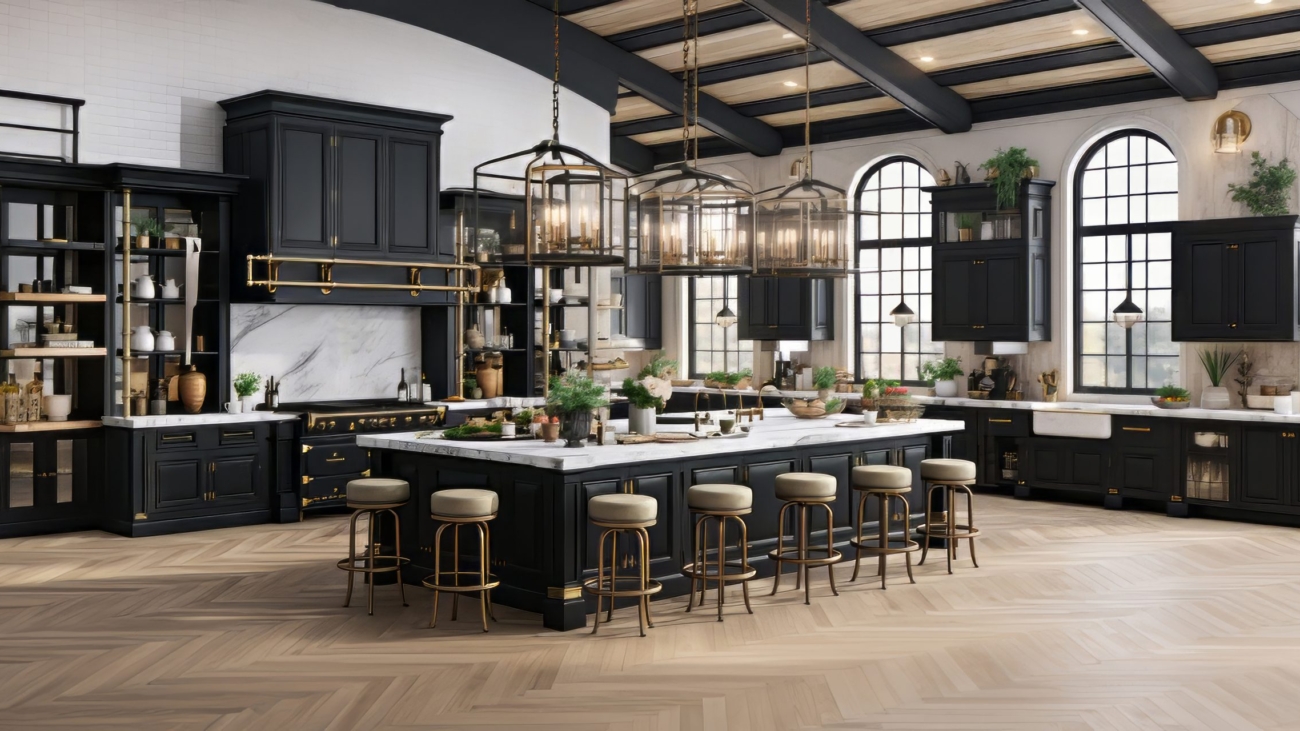
Kitchens are often described as the heart of a home, and this week’s featured design exemplifies how thoughtful blending of old and new elements can transform a functional space into a vibrant, inspiring hub. Conceptualized by an emerging interior designer, this kitchen showcases a bold, inventive approach that balances contemporary innovations with classic touches, demonstrating that striking aesthetics and practical functionality can coexist seamlessly. The result is a space that feels both inviting and dynamic, reflecting a fresh perspective on modern kitchen design.

A Dialogue Between Eras
The defining feature of this kitchen is its nuanced interplay between historical charm and contemporary flair. Original architectural details—such as exposed brickwork, vintage moldings, or reclaimed wooden beams—anchor the design in tradition, providing warmth and texture that evoke a sense of history. Against this backdrop, sleek cabinetry, modern countertops, and state-of-the-art appliances introduce a clean, minimalist aesthetic, ensuring the space feels light, fresh, and highly functional. This delicate juxtaposition of old and new creates a layered, visually compelling environment where each element complements the other rather than competing for attention.

Functional Zoning and Workflow
Beyond aesthetics, the kitchen is designed with practicality at its core. Distinct zones for cooking, prep, and cleanup ensure efficient workflow for both everyday routines and entertaining. The layout strategically positions key elements—such as the stove, sink, and refrigerator—within easy reach, minimizing unnecessary steps and enhancing convenience. Storage solutions combine hidden compartments with open shelving, offering versatility while maintaining a visually clean appearance. Pull-out drawers, pantry organizers, and integrated appliance storage maximize functionality without sacrificing style, a hallmark of thoughtful design.

Materiality and Textural Contrast
A central theme in this kitchen is the strategic use of materials to create contrast and visual interest. Matte and high-gloss finishes coexist on cabinetry, while natural stone, wood, and metallic accents contribute both texture and warmth. The countertops, for instance, may pair a durable quartz surface with reclaimed wooden island panels, merging contemporary durability with rustic charm. Brass or copper hardware adds subtle sophistication, while backsplashes of patterned tiles or polished stone serve as focal points that enhance the character of the space. The careful layering of materials underscores the designer’s ability to harmonize diverse elements without creating visual clutter.

Lighting That Enhances Both Form and Function
Lighting is another critical component in the success of this design. The space utilizes layered lighting strategies that combine ambient, task, and accent illumination. Recessed ceiling fixtures provide overall brightness, while under-cabinet LED strips ensure optimal visibility for food preparation. Statement pendant lights above the island or dining area contribute sculptural interest, simultaneously drawing the eye and enhancing the room’s personality. The designer’s attention to light ensures that the kitchen feels vibrant and functional throughout the day, while highlighting key textures and design features.

Color Palette and Accents
The color palette strikes a careful balance between energetic vibrancy and enduring sophistication. Muted neutrals on walls and cabinetry provide a timeless foundation, while pops of bold color—such as a zesty green or a sun-kissed yellow on accent furniture, appliances, or decor—inject personality into the space. Accessories, from artisanal ceramics to strategically placed greenery, further enhance the lively yet cohesive aesthetic. This approach illustrates how thoughtful use of color can transform a kitchen from a purely utilitarian area into a vibrant, uplifting environment.

Incorporating Modern Technology
Despite its nod to tradition, the kitchen embraces modern technology to enhance convenience and efficiency. Integrated smart appliances, touchless faucets, and innovative storage solutions allow the space to meet contemporary expectations while remaining visually harmonious. The designer has managed to incorporate technology without undermining the charm of the classic architectural elements, proving that functionality and beauty can coexist seamlessly in modern kitchen design.

A Space for Social Connection
One of the most compelling aspects of this kitchen is its role as a social hub. The layout encourages interaction, with a central island or breakfast bar providing a casual gathering point for family or guests. Comfortable seating areas, combined with visually engaging design details, create a space that is as much about community and conversation as it is about cooking. This design demonstrates that a kitchen can be both highly functional and deeply inviting, fostering a sense of warmth and belonging.

Conclusion
This week’s kitchen exemplifies how an aspiring interior designer can reimagine a space by blending historical elements with modern innovation. The careful balance of textures, colors, and functional zones results in a kitchen that is visually striking, highly efficient, and entirely livable. It serves as a reminder that the most successful kitchen designs are those that respect the past while embracing the present—creating spaces that feel timeless, practical, and uniquely personal. By combining traditional charm with contemporary features, this kitchen achieves a dynamic, zesty aesthetic that inspires both homeowners and designers alike, proving that thoughtful design can elevate even the most everyday of spaces into something extraordinary.

Unlocking Your Home’s Worth: A Step-by-Step Property Valuation Guide

Whether you’re buying your first dream home or are a seasoned real estate investor, knowing how to calculate a property’s value is essential for making smart financial decisions. Property value is influenced by multiple factors, including location, local market trends, recent sales, and the property’s condition.

By understanding how to determine property value step by step, you can plan your finances wisely, avoid overpaying, and strengthen your negotiation power.

What Is Property Value?

Property value refers to the estimated worth of a property in the real estate market. It’s the price a seller expects and a buyer is willing to pay. There are several ways to evaluate property value, such as analyzing recent sales of similar homes, examining potential rental income, or considering the cost to rebuild or renovate the property.

Why Calculating Property Value Matters

Here’s why you should determine a property’s value before buying:

  • Avoid Overpaying: Ensure you’re paying a fair price for the property.
  • Make Informed Decisions: Assess whether the property aligns with your budget and investment goals.
  • Negotiate Effectively: Armed with knowledge of the property’s worth, you can confidently negotiate with the seller.
  • Boost Loan Approval Chances: Lenders calculate property value before approving mortgages. Preparing in advance helps you meet their expectations.
  • Evaluate Long-Term Potential: Understanding value helps predict future appreciation based on location and market trends.
  • Plan Sale or Rental Strategies: Estimate potential returns for selling or renting the property.
  • Avoid Emotional Purchases: Knowledge of the property’s value helps you make rational decisions rather than emotional ones.
  • Financial Planning: Knowing the property’s worth helps you allocate funds not only for purchase but also for renovations, taxes, and ongoing maintenance.

Step-by-Step Guide to Calculating Property Value

Step 1: Research Comparable Properties
Start by comparing similar properties in the same area. Consider factors like size, features, age, and location. This gives you a realistic price range for the property.

Step 2: Evaluate the Property’s Condition
A well-maintained home is worth more than one that requires significant repairs. Inspect the property carefully to understand its impact on value.

Step 3: Consider Location and Amenities
Location plays a critical role in property value. Proximity to schools, hospitals, markets, public transportation, and safety factors all influence pricing.

Step 4: Factor in Market Trends and Demand
Real estate markets fluctuate. Analyze whether prices in the area are rising, stable, or declining to estimate the property’s current and future value accurately.

Step 5: Use Online Valuation Tools
Online property calculators can provide a quick estimate, giving you a rough idea of market value. Keep in mind, these are approximate figures.

Step 6: Get a Professional Appraisal
For precise valuation, hire a certified appraiser. Professionals consider legal, financial, and physical aspects of the property, ensuring an accurate assessment.

Common Mistakes to Avoid

  • Ignoring Property Condition: Overlooking repairs or maintenance needs can inflate the estimated value.
  • Relying Solely on Online Tools: Automated tools can miss property-specific details, leading to inaccurate valuations.
  • Neglecting Market Trends: Failing to consider demand, interest rates, and local trends can skew your estimate.
  • Skipping Professional Advice: Certified appraisers provide insights that online tools or personal judgment may miss.
  • Overlooking Local Amenities: Safety, schools, and nearby facilities significantly affect property value.
  • Assuming Asking Price Equals Market Value: Sellers may list properties above fair market value. Always verify independently.

Conclusion

Understanding how to calculate property value is crucial for anyone investing in real estate. Whether you’re a first-time buyer or a veteran investor, knowing a property’s true worth ensures better financial planning, prevents costly mistakes, and strengthens your negotiation position. With this knowledge, you safeguard your investment and increase your chances of success in the competitive real estate market.