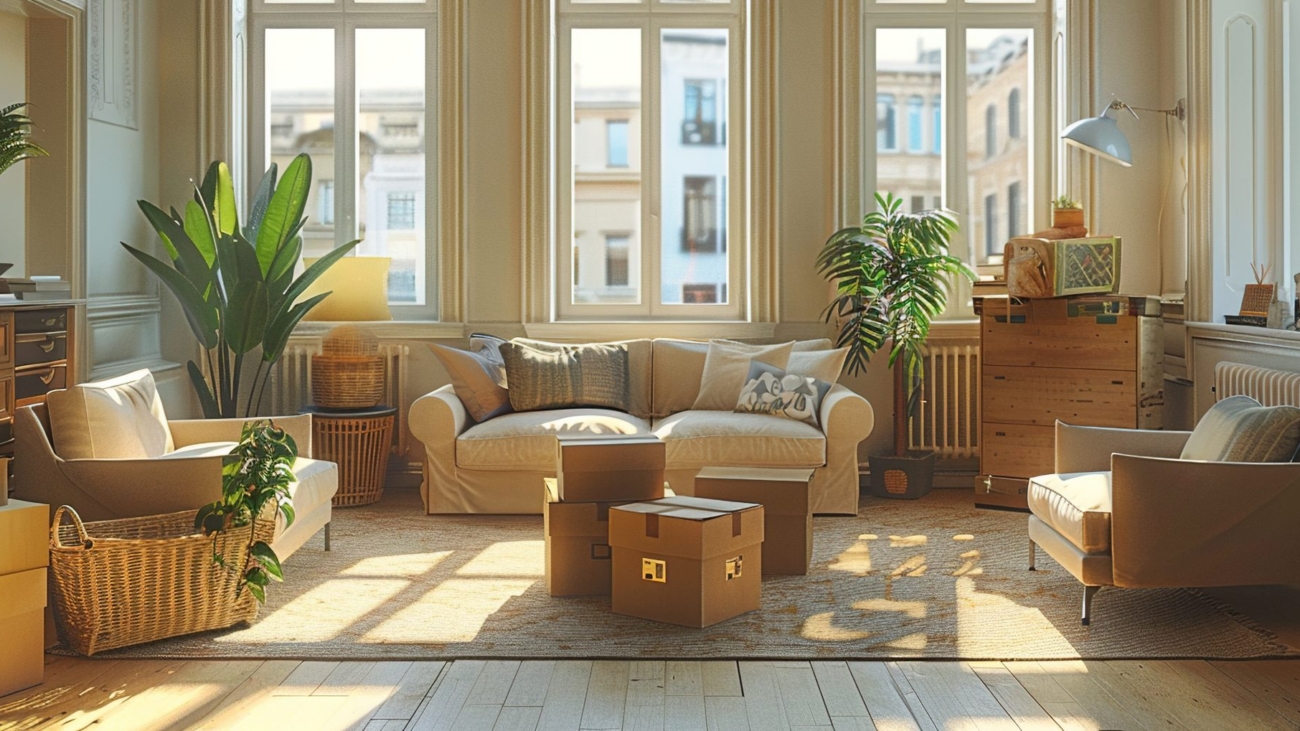

Five Must-See Homes That Stole the Spotlight in August 2025

Dezeen’s top five houses of August 2025 showcase a fascinating array of contemporary architectural approaches from across the globe, spanning Australia, Sweden, Belgium, and Italy. This month’s selection highlights creative renovations, sensitive site interventions, and bold designs that fuse tradition with modernity. Each project demonstrates how architects are responding to context, lifestyle, and the natural environment while delivering innovative homes that captivate both residents and visitors alike.

Omloop Farmhouse, Belgium – Hé!
In Belgium, architecture studio Hé! reimagined a traditional Flemish farmhouse by inserting a glazed timber and metal volume into the roof. This new upper-level living space not only maximizes natural light but also strengthens the home’s connection with the surrounding hilly landscape. The renovation emphasizes a more compact, efficient internal layout, bringing a contemporary layer of comfort and functionality to a historic building. By subtly blending modern materials with traditional forms, Hé! has created a home that celebrates both heritage and innovative design.

Mygunyah by the Circus, Melbourne, Australia – Matt Gibson Architecture + Design
In Melbourne, Australian studio Matt Gibson Architecture + Design transformed a 19th-century terraced house in North Fitzroy into a dynamic family home named Mygunyah by the Circus. The project involved adding two contrasting brick extensions informed by Arts and Crafts architectural traditions. These additions expand the long, narrow home to accommodate a seven-member family while creating a harmonious dialogue between the original structure and contemporary interventions. The result is a carefully composed blend of historical character and functional modern living.

Birdwood, Brisbane, Australia – Peter Besley
At the base of Mount Coot-tha in Brisbane, architect Peter Besley wrapped a house in a combination of perforated reclaimed terracotta brick and metal mesh designed to support climbing plants. Named Birdwood, the residence caters to a multi-generational family seeking a home that allows them to age in place comfortably. The layered façade not only provides privacy and shade but also encourages interaction with the garden and local environment. Besley’s design demonstrates how thoughtful material choices and spatial planning can foster a sustainable, family-oriented living experience.

Horsö, Kalmar, Sweden – Bross and Nick Flygt
In the Swedish woodland of Kalmar, the minimalist summer house Horsö by Bross and Nick Flygt is a study in restraint and harmony with nature. Finished in untreated wood, the home blends seamlessly into its forested surroundings while offering expansive views from carefully positioned openings. The architects designed the structure to have a low-key presence, ensuring that the building coexists unobtrusively with the landscape. This project exemplifies a quiet, contemplative approach to architecture, where simplicity and material honesty enhance the relationship between occupants and nature.

Patio House, Sicily, Italy – Solum
On a coastal site in Sicily, Italian studio Solum designed the Patio House with a series of monolithic volumes connected by a narrow, winding alleyway that serves as the entrance. The home’s spatial choreography contrasts “labyrinthine” interior spaces with dramatic, open views of the sea, creating an experiential journey from enclosed to expansive. Solum’s design balances privacy, intimacy, and spectacle, offering a compelling example of how architecture can respond creatively to both the physical context and the poetic possibilities of a coastal setting.

Together, these five homes highlight a diverse spectrum of contemporary design thinking, from playful material experiments to minimalist retreats, from family-oriented renovations to site-responsive coastal living. Each project demonstrates a unique architectural voice while showing how modern homes can be both functional and inspirational, deeply rooted in their environments yet forward-looking in design.
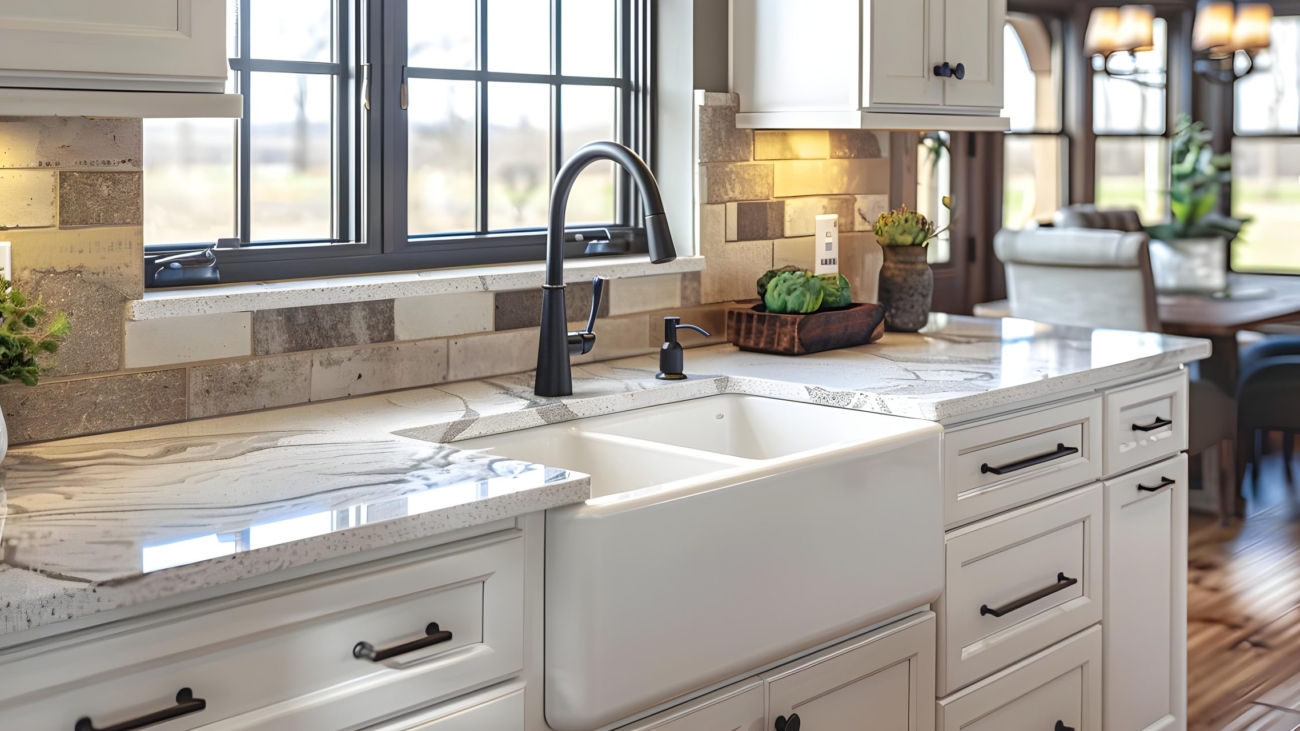

Remodeling 101: The Lowdown on Single-Bowl Vs. Double-Bowl Kitchen Sinks

When it comes to remodeling a kitchen, the choice of sink is more than a matter of style—it is a central element that influences functionality, workflow, and long-term satisfaction. Among the most common decisions homeowners face is whether to install a single-bowl or double-bowl sink. Each option carries its own set of advantages, drawbacks, and considerations, making it crucial to understand how they align with your cooking habits, household size, and overall kitchen layout. This comprehensive guide explores the key factors in choosing between single-bowl and double-bowl sinks, ensuring you make an informed decision for your remodel.

Understanding the Basics
A single-bowl sink consists of one large, uninterrupted basin. Its simplicity allows for ample space to wash large pots, pans, and baking sheets without obstruction. In contrast, a double-bowl sink is divided into two separate compartments, which can vary in size and configuration. This design enables multitasking, such as washing dishes in one bowl while rinsing vegetables in the other, providing enhanced organizational flexibility for busy kitchens.

Pros and Cons of Single-Bowl Sinks
Single-bowl sinks are often preferred for their minimalist appearance and unbroken workspace. They are especially practical in contemporary kitchen designs where a sleek, streamlined look is desired. Large cookware and oversized trays fit more easily, reducing frustration when cleaning bulky items. Single-bowl sinks also tend to require less countertop space in terms of plumbing layout, making them a suitable choice for kitchens where space is at a premium.

However, this design may limit multitasking capabilities. Washing dishes while simultaneously prepping food can be challenging, and in households that frequently entertain or manage high volumes of dishes, a single bowl may feel restrictive. Additionally, without a secondary compartment for disposal or organization, users may need additional accessories such as colanders or dish racks to compensate.

Pros and Cons of Double-Bowl Sinks
Double-bowl sinks offer remarkable versatility. One bowl can be used for soaking or washing dishes, while the other can handle food prep, such as rinsing fruits and vegetables. This separation enhances efficiency and hygiene, preventing cross-contamination between raw foods and dirty dishes. Double-bowl sinks are particularly advantageous for families or households that cook frequently and require dedicated zones for multiple tasks.

On the downside, the divider can limit the size of pots and pans that fit comfortably, and the smaller basins may require more effort when cleaning large items. Visually, double-bowl sinks may appear bulkier in smaller kitchens, and the additional plumbing can slightly increase installation complexity and cost.

Material Considerations
Beyond configuration, the material of your sink plays a significant role in performance and longevity. Stainless steel remains the most popular choice in American kitchens due to its durability, corrosion resistance, and ease of cleaning. Composite granite or quartz sinks offer a more substantial, tactile feel and can enhance aesthetic appeal, though they may require specialized maintenance. Porcelain and fireclay options provide a classic look but can be prone to chipping or staining over time. The material choice should complement not only the sink style but also your countertop, faucet, and overall kitchen design.

Workflow and Ergonomics
When evaluating single versus double bowls, consider the ergonomic impact on your kitchen workflow. In larger kitchens or open-concept layouts, a single-bowl sink may facilitate easier movement around the countertop. Double-bowl sinks, meanwhile, can help compartmentalize tasks, reduce clutter, and keep prep and cleanup separate. The height, depth, and positioning relative to dishwashers and prep zones also play a role in long-term comfort, especially in homes where multiple people share kitchen responsibilities.

Modern Accessories and Customization
Many modern sinks—both single and double—offer customizable features that enhance functionality. Cutting boards, colanders, drying racks, and integrated drain systems can transform your sink into a multifunctional workspace. Some double-bowl designs include unequal-sized compartments, allowing larger items to fit on one side while leaving the other for smaller prep tasks. Thoughtful integration of these accessories can mitigate some of the limitations inherent to each sink type, giving homeowners the best of both worlds.

Aesthetic and Design Impact
From a visual perspective, the choice between single- and double-bowl sinks can influence the overall aesthetic of your kitchen. Single-bowl sinks offer a clean, uninterrupted appearance, which complements modern, minimalist, or industrial designs. Double-bowl sinks, particularly those with farmhouse or apron fronts, can add a traditional or functional charm. Consider how the sink interacts with countertop materials, backsplash finishes, and cabinet styles to ensure a cohesive and harmonious design.

Making the Right Choice for Your Home
Ultimately, the decision between single-bowl and double-bowl sinks depends on your lifestyle, kitchen usage, and design preferences. Single-bowl sinks are ideal for those who prioritize simplicity, open space, and washing larger items with ease. Double-bowl sinks excel for multitasking households, family-oriented kitchens, and those who appreciate dedicated zones for prep and cleanup. By carefully weighing the functional and aesthetic factors outlined above, homeowners can select a sink that not only complements their kitchen remodel but also enhances daily living for years to come.

Conclusion
Choosing the right sink is more than a practical decision—it is a key element that shapes the efficiency, style, and enjoyment of your kitchen. Understanding the differences between single-bowl and double-bowl sinks, along with material options, ergonomic considerations, and design impact, allows homeowners to approach their remodel with confidence. Whether your priority is sleek modernity or functional versatility, selecting the right sink ensures your kitchen remains a space that is both beautiful and highly practical, meeting the demands of contemporary American households.

Expert Advice: 13 Perfect Details for the Summer House

Summer houses have always represented a retreat from the daily grind—a place to relax, reconnect with nature, and embrace leisure. Yet, designing a summer house that feels both effortless and intentional requires attention to detail, from material choices and lighting to furniture placement and decorative accents. This guide explores thirteen carefully curated elements that can elevate any summer house, combining aesthetic appeal, comfort, and practical functionality. Drawing on expert insight, these recommendations show how small touches and thoughtful design decisions can create a harmonious, inviting environment that captures the essence of summer living.

1. Light-Filled Spaces
Natural light is the cornerstone of an ideal summer house. Large windows, skylights, and glass doors maximize sunlight, creating a sense of openness and connection with the surrounding landscape. Position furniture to take full advantage of light throughout the day, and consider light, neutral-colored walls and reflective surfaces to amplify brightness.

2. Outdoor-Indoor Flow
A seamless connection between indoor and outdoor areas enhances the feeling of spaciousness. Sliding or folding doors, covered patios, and deck spaces encourage fluid movement and extend the living area. Outdoor furniture should be comfortable and durable, complementing the indoor aesthetic while inviting relaxation and social gatherings.

3. Timeless Furniture Choices
Opt for furniture that balances comfort with longevity. Natural materials such as rattan, teak, and oak are durable, weather-resistant, and age beautifully over time. Modular seating or lightweight pieces allow flexibility for rearranging layouts according to the number of guests or changing activities.

4. Statement Lighting
Lighting sets the mood and emphasizes architectural features. Pendant lights, lanterns, or sculptural lamps can serve as focal points, while soft ambient lighting ensures a cozy atmosphere in the evening. Strategically placed task lighting in kitchens, reading nooks, or outdoor patios enhances usability without compromising style.

5. Layered Textures
Combining various textures creates depth and tactile interest. Think linen curtains, woven rugs, wooden surfaces, and smooth stone countertops. Textural contrast can make the space feel inviting and multi-dimensional, preventing an overly flat or sterile aesthetic.

6. Functional Kitchen Spaces
Even a summer house requires a fully functional kitchen. Open shelving, compact islands, and clever storage solutions optimize space without sacrificing style. Incorporate durable materials like quartz or solid wood for countertops, and ensure appliances are intuitive and reliable for effortless cooking and entertaining.

7. Nature-Inspired Color Palettes
Soft blues, sandy neutrals, leafy greens, and sun-washed yellows reflect the surrounding environment and reinforce the tranquil, relaxed mood. These shades can be applied to walls, textiles, and accent pieces to evoke a sense of harmony and continuity between indoor and outdoor spaces.

8. Cozy Nooks and Reading Corners
A well-designed summer house includes intimate spaces for quiet reflection. Window seats, built-in benches, or corner armchairs with plush cushions create inviting corners for reading, relaxing, or enjoying morning coffee. Incorporate personal touches like blankets, throws, or small side tables for added comfort.

9. Artful Decor and Personal Touches
Art and decor give character to a summer house. Curate pieces that reflect personal taste and resonate with the natural surroundings, such as framed botanical prints, ceramics, or locally sourced crafts. Avoid overcluttering; instead, choose a few standout elements to create visual interest and storytelling.

10. Practical Storage Solutions
Efficient storage ensures the home remains organized and clutter-free. Built-in cabinetry, under-bed drawers, and multipurpose furniture help maintain a tidy environment. For outdoor gear, consider discrete racks or cupboards near entryways, keeping essentials accessible yet concealed.

11. Sustainable Materials and Green Design
Sustainability is increasingly important in modern summer homes. Utilize eco-friendly materials, energy-efficient appliances, and passive design techniques like cross-ventilation and natural insulation. Solar panels, rainwater collection, and low-maintenance landscaping contribute to a home that is both environmentally responsible and low-stress for owners.

12. Outdoor Entertaining Areas
A key feature of summer living is social interaction. Outdoor kitchens, fire pits, or dining terraces extend the home’s usability and encourage gatherings. Furniture should be durable and weather-resistant, while outdoor lighting and cozy textiles enhance comfort for evening entertaining.

13. Thoughtful Landscaping and Greenery
The surrounding environment is as important as interior design. Integrate landscaping that complements the home’s style, using native plants, flowering shrubs, or potted greenery to create seasonal interest. Pathways, patios, and small garden features can add layers of texture and function to outdoor spaces, ensuring a seamless extension of the living areas.

Conclusion
Designing a summer house that embodies relaxation, style, and practicality requires careful attention to these thirteen elements. From thoughtful lighting and natural materials to cohesive color palettes and outdoor connections, each detail contributes to a space that is both visually stunning and exceptionally livable. By embracing these expert recommendations, homeowners can transform a summer house into a sanctuary—a place where design, comfort, and nature intersect to create a timeless retreat for family, friends, and quiet reflection.

Your Guide to Buying a Home Sight Unseen: Tips for Smart Decisions from Afar

Buying a home without ever stepping foot inside—what many now call “sight unseen”—may sound intimidating, but with today’s technology, it’s easier and more accessible than ever. Whether you’re unable to visit a sales office or simply prefer exploring options from the comfort of your couch, modern tools empower you to navigate this unique home-buying journey confidently.

Over the past year, many buyers have successfully purchased homes entirely online, proving that this non-traditional approach works. As more people move away from densely populated metro areas and remote work becomes increasingly common, virtual home buying is likely to continue growing. While the idea of buying a home sight unseen may feel daunting at first, a thoughtful approach and the right resources can make the process smooth and even exciting.

The first step in any home purchase—virtual or in-person—is understanding your budget. Determine how much you can afford to pay each month and then work backward to identify a purchase price that fits your financial situation. Many online mortgage tools now allow prospective buyers to “pre-apply” by analyzing income, assets, and current debt, giving a realistic estimate of what you can afford. Getting pre-approved is another essential step, demonstrating to sellers that you are a serious buyer in a competitive market. Choosing a lender familiar with new-home construction can streamline the process and ensure everything stays coordinated from start to finish.

Once your budget is clear, create a list of must-have features for your new home. Decide what matters most—whether it’s location, number of bedrooms and bathrooms, square footage, or specific design elements—and distinguish between true necessities and nice-to-have features. This clarity will help you narrow down potential options while exploring homes virtually.

Modern home-buying platforms make it simple to filter listings by city, price, and floor plan to get a sense of what’s available. Even without visiting a sales office, you are never truly alone. Engaging with a local consultant can provide personalized guidance, help you track fast-moving inventory, and ensure you’re aware of homes likely to sell quickly. Sharing your wish list with a trusted consultant can help prioritize your options and streamline decision-making.

Many communities now offer interactive floor plans and 3D virtual tours, allowing you to explore every room and envision how you might arrange your space. You can even take measurements virtually and revisit tours multiple times to assess layouts carefully. If a 3D tour isn’t available, virtual walkthroughs with a sales representative can provide a real-time look at the home. Additional photos, videos, and personalized walkthroughs make it possible to “see” the property in a way that’s almost as effective as visiting in person.

For buyers who know exactly what they want, online reservation systems allow you to select a homesite, floor plan, and exterior elevation without ever speaking to a sales agent, giving you complete control over your purchase from the comfort of home. While these tools are incredibly powerful, having an extra pair of eyes—such as a trusted friend or family member in the area—can provide reassurance and catch details you might miss. Online resources like Google Maps, school rankings, and neighborhood research further help you make informed decisions.

It’s important to remember that even with advanced technology, buying a home sight unseen requires careful planning. High demand and limited inventory can create unexpected hurdles, such as the need to submit competitive offers or navigate market-specific procedures. Staying in close communication with your consultant and understanding local market conditions ensures that you are prepared for any challenges along the way.

Buying a home sight unseen can be just as exciting and rewarding as purchasing in person. With the right preparation, tools, and support, the experience can be seamless, empowering, and even exhilarating—allowing you to secure your dream home without ever leaving your couch.

Keeping Up With The Trends: Must Do’s to Sell a Home Quicker In Today’s Market

When selling a house, speed often becomes a top priority. However, the process can easily drag on and leave you waiting impatiently. Read on for must-do tips to sell your DC-area home as quickly as possible.

Cash offers are the express lane in the home-selling process. While they may not always maximize profit, they ensure a streamlined sale due to the absence of lender protocols. Something else to consider: Once you factor in maintenance costs and agent fees, a cash deal might closely match what you’d net from a traditional sale.

Home prices in Washington, D.C., are on a downward trend these days, providing advantages to homebuyers as the market adjusts in response to rising mortgage rates and reduced demand. And you can accelerate the sales timeline by pricing your home competitively. Understand its market value and consider marking it 15-20% below to potentially incite a bidding war among buyers.

First impressions are crucial, so make sure the exterior of your home is in pristine condition. 

Power wash or put a fresh coat of paint on your house to make it stand out. Repair any screen doors or window screens that may have holes or are unable to close properly.Take a close look at your front door. Does it stand out from the street? Front doors command the most attention when people pull up to your property, so if your door is old or dull, replace or paint it.  Remove any debris from your yard. A yard containing dead plants and tired mulch won’t have great curb appeal. Mowing the lawn and freshening up your landscaping can improve the value of your home and help you sell it faster. 

When potential buyers walk into your home, they need to imagine themselves living there, so clean it up! Toss out the stacks of magazines you have sitting on the floor and any clutter scattered across countertops. Take down personal items like family photos, awards, or personalized art. Keep it simple and neutral.

Buyers should feel the spaciousness of each room, so even if it feels too minimal for you, it will show better this way. Get out your cleaning supplies and scrub every corner of the house (or save yourself the hassle, and hire a cleaning crew). A spotless and clean home can significantly influence a buyer’s decision. 

The aroma inside your home is a small detail some people overlook. After all, a pleasant smell can enhance a home’s attractiveness. Use subtle scents like essential oils or fresh flowers to create a welcoming atmosphere. 

Fix any issues related to water damage, plumbing, or electrical work that could cause you to fail a home inspection.Refresh carpets and flooring. While you may not have the funds to replace the carpets entirely, a clean carpet can certainly transform a room, so have the carpets cleaned professionally and polish the hardwood floors.Other simple updates including fresh paint and new caulking can make a big difference.Consider updating the cabinet handles and kitchen appliances for a modern touch and a fast sale. After all, the kitchen is the most important room potential buyers are looking at because it’s the most used room in a house, and buyers these days are demanding a modern kitchen. Granite countertops, a nice backsplash, bright lighting, and custom cabinets are all important for this space.With a growing demand for eco-friendly homes, those with renewable energy options and sustainable materials are selling much faster. Upgrade your appliances, thermostat, lighting, and alarm system with more energy-efficient options.

Staging can significantly elevate the perception of your home. A well-staged home appeals to a wide demographic, ensuring it’s seen as welcoming and ready to move in.

EOI in Real Estate: A Smart Buyer’s Guide to Expressing Interest

Understanding EOI in Real Estate: What It Means and Why It Matters

When navigating the property market, you might come across the term EOI, especially in competitive or high-value transactions. EOI stands for Expression of Interest, a formal yet non-binding way for buyers to indicate their intent to purchase a property without entering into an official contract.

EOI is commonly used in commercial properties, luxury residential listings, and off-market deals. It gives sellers a glimpse into what buyers are willing to offer while giving buyers a chance to put forward their best proposal, including price, settlement terms, and other conditions.

What Is EOI in Real Estate?

An Expression of Interest (EOI) is a formal declaration by a prospective buyer expressing their interest in acquiring a property. While it includes important details such as the proposed price, payment terms, and other conditions, it is not legally binding.

Sellers often use EOI for high-value or off-market properties to assess genuine buyer interest before entering negotiations. This strategic step helps sellers filter serious buyers from casual inquiries and can pave the way for private, one-on-one negotiations.

Why Is EOI Important?

For buyers, submitting an EOI:

  • Demonstrates serious interest without being tied to a legal agreement.
  • Strengthens their position in competitive markets by showcasing readiness and financial capability.

For sellers, EOI:

  • Gauges market demand and filters out casual inquiries.
  • Shortlists serious offers based on price, conditions, and buyer readiness.
  • Encourages competitive proposals as multiple interested buyers compete for the property.

How the EOI Process Works

  1. Property Listing: The property is listed under an EOI campaign for a limited period.
  2. Submission of Offers: Interested buyers submit written offers, detailing price, conditions, settlement terms, and proof of funds.
  3. Confidential Review: EOIs are confidential and reviewed only by the seller and their agent.
  4. Shortlisting and Negotiation: The seller shortlists potential buyers and may request revised offers. Private negotiations follow.
  5. Final Contract: Neither party is obligated to accept or proceed until a formal contract is signed, at which point the agreement becomes legally binding.

Benefits of EOI

For Buyers:

  • Show serious intent: Formally expresses interest in purchasing the property.
  • Flexibility: Conditions and terms can be outlined without legal obligation.
  • Better negotiation opportunities: A strong EOI can open doors to direct negotiations with the seller.

For Developers and Sellers:

  • Gauge market demand: Helps evaluate buyer interest in a property.
  • Identify serious buyers: Filters genuine inquiries from casual lookers.
  • Encourages competitive offers: Multiple EOIs can drive up pricing and buyer interest.

Is EOI Legally Binding?

No. An EOI is not a legally binding contract. While it includes proposed price, terms, and conditions, it does not commit either party to a final agreement.

EOI vs Booking Amount: Key Differences

FactorEOI in Real EstateBooking Amount
NatureNot legally bindingBinding commitment with initial payment
StageInitial stage – before final agreementLater stage – after terms accepted
PaymentMay involve a refundable amountFixed and usually non-refundable
Legal StandingNot legally enforceablePart of the official sale agreement
PurposeGauge buyer interest and shortlist offersReserve the property
FlexibilityCan be withdrawn without penaltyCancellation charges may apply

Tips Before Submitting an EOI

  • Do your research: Know the property’s market value, condition, location, and legal status.
  • Understand the EOI: It is non-binding and only shows your interest with proposed terms.
  • Get finances in order: A pre-approved loan strengthens your offer.
  • Seek expert advice: Consult a real estate agent or legal advisor to structure a competitive and clear EOI.
  • Meet deadlines: EOIs submitted after the timeline may not be considered.

Conclusion

An Expression of Interest (EOI) is a smart and strategic tool in real estate transactions. It allows buyers to showcase genuine interest while giving sellers insights into serious prospects. By facilitating private negotiations and encouraging competitive offers, EOI can streamline the buying and selling process, leading to successful outcomes for both parties.

St. Oak: A Stripped-Back Holiday Apartment by a Creative Pair in Germany

In a world where holiday rentals often rely on elaborate decoration and over-the-top amenities to attract guests, St. Oak stands out for its elegance through simplicity. This stripped-back holiday apartment, envisioned and realized by a creative duo in Germany, demonstrates the power of restraint and thoughtful design. From the careful selection of materials to the subtle interplay of light and space, St. Oak is a masterclass in minimalist living, offering a sanctuary that balances functionality, aesthetics, and comfort for travelers seeking a refined retreat.

A Philosophy of Simplicity and Functionality
At the heart of St. Oak is a design philosophy that prioritizes clarity, purpose, and calm. Every element within the apartment has been considered for both form and function. The layout avoids unnecessary partitions, opting instead for an open-plan structure that maximizes the flow of natural light and movement. This openness allows guests to engage with the space rather than simply occupy it, making the apartment feel larger than its footprint suggests. Thoughtful spatial planning ensures that each area—sleeping, cooking, lounging, and dining—serves its purpose seamlessly while maintaining an uncluttered aesthetic.

Materiality and Textural Harmony
One of the most striking aspects of St. Oak is the deliberate choice of materials. Natural wood flooring and exposed beams establish warmth and authenticity, grounding the minimalist interior in tactile comfort. Neutral textiles, such as linen bedding and wool throws, contribute softness, while matte finishes on cabinetry and furniture create a visual calm that contrasts with occasional raw textures, like concrete countertops or subtle metallic fixtures. This careful balance of natural and industrial elements exemplifies modern European sensibilities, blending timeless craftsmanship with contemporary minimalism.

Curated Furniture and Objects
Every piece in St. Oak has been selected not for abundance but for impact. Furniture embodies clean lines, gentle proportions, and understated design, creating an environment that is both functional and visually harmonious. Storage solutions are cleverly integrated, hidden from view to preserve the sense of openness. Decorative elements are minimal yet meaningful—a single sculptural vase, a carefully placed piece of wall art, or a book collection that reflects the creative interests of its owners. These curated choices ensure that the apartment feels personal without feeling cluttered, providing a space where guests can relax and recharge.

Lighting and Atmosphere
The lighting strategy in St. Oak is integral to its inviting atmosphere. Large windows allow daylight to flood the interior, emphasizing the natural textures and highlighting subtle color variations in materials. In the evenings, ambient lighting—soft wall-mounted fixtures, under-cabinet LEDs, and strategically placed pendant lights—creates a warm, cozy environment that encourages unwinding and reflection. The careful layering of natural and artificial light enhances the apartment’s stripped-back aesthetic, making the space feel simultaneously airy and intimate.

A Neutral Palette with Subtle Accents
Color in St. Oak is restrained but purposeful. A neutral palette of whites, beiges, greys, and warm wood tones forms the foundation of the design, providing a calm and cohesive backdrop. Occasional muted accents—such as ochre cushions, soft green plants, or a handwoven rug—introduce subtle visual interest without overwhelming the senses. This approach ensures that the space maintains a timeless quality, allowing guests to personalize their experience while keeping the apartment visually serene.

Integration of Practical Luxury
While St. Oak emphasizes minimalism, it does not compromise on comfort or functionality. The kitchen is compact yet fully equipped, featuring modern appliances seamlessly integrated into the cabinetry for a clean appearance. The bathroom combines sleek fittings with practical storage solutions, providing an efficient yet spa-like environment. Bedroom areas prioritize restful sleep, with high-quality bedding, blackout blinds, and thoughtful acoustic consideration. This balance of practical amenities and design elegance exemplifies the apartment’s ethos of understated luxury.

Connection to the Surroundings
A key aspect of St. Oak’s charm lies in how it interacts with its locale. Positioned within a historic yet evolving German neighborhood, the apartment embraces its context without competing with it. Large windows frame views of surrounding architecture and greenery, inviting guests to appreciate the locale’s character from the comfort of the interior. The stripped-back design serves as a neutral canvas, allowing the outside world to become an extension of the apartment itself.

Design as Experience
Ultimately, St. Oak is more than a holiday rental—it is a thoughtfully composed experience. Every decision, from layout and material selection to lighting and furniture, is intended to create a sense of ease, focus, and aesthetic pleasure. The apartment encourages a slower pace, where guests can enjoy simplicity, reflection, and genuine comfort. Its design demonstrates that minimalism, when executed with care and intention, can be profoundly expressive and luxurious.

Conclusion
St. Oak exemplifies how stripped-back design can elevate the concept of a holiday apartment. Through its deliberate use of space, natural materials, and subtle detailing, it provides a sanctuary for relaxation and inspiration. For travelers seeking an environment that merges functionality, elegance, and comfort without unnecessary embellishment, St. Oak offers a model of contemporary minimalism rooted in thoughtful design. It is a testament to the creative potential of simplicity and a benchmark for holiday accommodations that prioritize both beauty and usability.

5 Compelling Reasons a Brand-New Home Might Be Your Best Move

Picture this: You walk up to the front door of your dream home. The lawn is lush and green, carefully landscaped with vibrant flowers that bloom on your porch, and the sun casts a warm glow over the freshly painted exterior. You step inside a brand-new home, one thoughtfully designed with your style, comfort, and lifestyle in mind. There’s something magical about owning a home that feels completely yours—and the benefits go far beyond aesthetics. Let’s explore why buying a brand-new home can be a smarter, more rewarding choice than renting.

1. Energy Efficiency That Saves You Money
Newly built homes are often far more energy-efficient than older properties. With modern insulation, sustainable building materials, and the latest energy-saving technology, these homes can significantly reduce your utility bills over time. From high-efficiency HVAC systems to energy-smart windows and LED lighting, every detail is designed to help you save money while lowering your environmental footprint. Over the years, these savings can add up to a substantial financial advantage.

2. Tax Benefits You Can Leverage
Owning a home opens the door to valuable tax benefits. For many homeowners, the interest paid on a mortgage is deductible—a financial perk that renters simply don’t receive. This can make homeownership more affordable than it initially appears, giving you a tangible return on your investment while you build equity in a property that’s all yours.

3. A Space That Truly Reflects You
One of the greatest joys of a brand-new home is the freedom to make it entirely your own. Unlike renting, where landlords set limits on modifications, homeownership allows you to personalize your space from top to bottom. Paint the walls your favorite colors, install shelving, or create a dream kitchen—you decide the style, layout, and vibe. Your home becomes a true extension of your personality, a place that feels uniquely “you.”

For inspiration, explore the latest trends in home design for 2025 and see how your vision can come to life in your own space.

4. Community and Connection
Owning a home isn’t just about the structure itself—it’s about the community around it. A new home means putting down roots, establishing relationships with neighbors, and creating a sense of belonging. Whether it’s joining local events, volunteering, or simply getting to know the people on your street, homeownership provides opportunities to build lasting connections in your community.

5. Building Equity and Financial Security
Every mortgage payment brings you closer to full ownership and increases your equity—the financial stake you hold in your home. Unlike rent payments, which go straight to a landlord, every dollar you invest in your home is building your wealth and providing you with future financial flexibility. Equity can give you options: leveraging it for renovations, using it as a down payment for your next home, or even tapping into it in retirement. Owning a home is not just a place to live; it’s a long-term financial strategy that grows with you.

Owning a brand-new home is more than a lifestyle choice—it’s an investment in your comfort, security, and future. From energy savings and tax perks to creative freedom and community connections, the advantages are tangible and lasting.

At Taylor Morrison, we’re committed to making your homebuying journey seamless, enjoyable, and tailored to your needs. Every detail is crafted to ensure your home isn’t just a house—it’s a place you’ll love to live, a space where memories are made, and a foundation for your future.

10 Iconic Projects That Reveal the Genius and Versatility of Arne Jacobsen

Exploring the Designs of Arne Jacobsen: A Celebration of Architectural Genius and Design Versatility

Arne Jacobsen is widely recognized as one of Denmark’s most influential architects of the 20th century, yet his extraordinary contributions to design extend far beyond the built environment. From textiles to furniture, lighting, and even cutlery, Jacobsen’s work embodies a rare synthesis of architectural rigor and playful elegance. The new book, The Designs of Arne Jacobsen: Interiors, Furniture, Lighting and Textiles, 1925-1971, authored by Thomas Dickson and Henrik Lund-Larsen, seeks to illuminate the breadth and versatility of his creative output, highlighting projects that are as relevant today as they were decades ago.

While Jacobsen is often celebrated primarily for his architectural achievements, Dickson and Lund-Larsen emphasize that his design sensibility permeated every scale of his work. “Most books about Arne Jacobsen focus on him as an architect,” the authors explain. “In Denmark, he is primarily seen as a building designer who happened to create furniture, lamps, and other products on the side. Our aim was to explore the untold stories of his design work beyond architecture.”

Indeed, Jacobsen’s creations, whether monumental or intimate, have a timeless quality. “His designs still feel remarkably modern,” the authors note. “They carry an air of sophistication and freshness that makes them look contemporary even today. That’s why his chairs frequently appear in music videos, advertisements, and interior magazines. The Egg Chair, for example, provides a perfectly framed stage for a public figure without demanding all the attention—it’s both functional and visually compelling.”

Here, the authors highlight ten of Jacobsen’s most remarkable projects, spanning architecture, furniture, lighting, and textiles:

1. Søllerød Town Hall, 1941
In the suburban town of Søllerød, ten miles north of Copenhagen, Jacobsen, alongside classmate Flemming Lassen, designed a town hall that exemplifies his holistic approach. Every detail of the building—from chairs and lamps to door handles, clocks, and signage lettering—was carefully considered. Completed in 1942, the listed building still stands today, largely unchanged internally, demonstrating Jacobsen’s enduring attention to detail and craftsmanship.

2. Lemons in Net for Textil Lassen, 1948
During World War II, Jacobsen and his wife Jonna fled to Sweden, where they began designing textiles to support themselves. Their early designs were romantic, colorful, and optimistic, often depicting flowers, plants, and everyday scenes. The 1948 design Lemons in Net exemplifies this cheerful aesthetic. Over time, their work evolved into more abstract and geometric patterns, suitable for upholstery, curtains, tablecloths, wallpaper, and even women’s dresses.

3. The Ant Chair, 1952
Jacobsen’s experience in textile production revealed the potential of industrial manufacturing, which he later applied to furniture design. In 1952, he introduced the lightweight laminated Ant Chair, followed by the 7 Chair, the Grand Prix, and other variants. Featuring a three-dimensional shell for seat and backrest, mounted on minimal bent tubular steel legs, these chairs became iconic for their innovative use of materials and simplicity of form.

4. Furniture for Munkegaard School, 1955
The post-war baby boom in Denmark prompted extensive school construction. Jacobsen designed the furniture, lamps, and even loudspeakers for Munkegaard School, a project completed in 1957. Each classroom received its own courtyard garden, offering students a secluded space during recess, and the furniture was custom-sized for different age groups. Jacobsen’s attention to detail extended to the layout, natural light, and integration of classical sculptures, reflecting his love for architecture and gardening.

5. The AJ Door Handle, 1956
To counterbalance the sharp angles of many of his steel-and-glass buildings, Jacobsen designed objects that engaged the human touch organically. The AJ door handle, first used in The Royal Hotel (1960), exemplifies this philosophy. Its elegant, tactile form remains in production today, offering a seamless blend of functionality and aesthetic grace.

6. Rødovre Town Hall, 1956
Jacobsen closely monitored architectural trends and often drew inspiration from international examples. The Rødovre Town Hall, completed in 1956, reflects influences seen in Eero Saarinen’s General Motors Technical Center in Michigan. Jacobsen’s design translates these modernist ideas into a distinctly Danish context, blending functionality, proportion, and elegance.

7. AJ Cutlery, 1957
Jacobsen’s philosophy of minimalism and proportion extends to his smallest creations. The AJ cutlery series exemplifies this, with every curve meticulously crafted to please the eye as much as the hand. Designed for The Royal Hotel in the late 1950s, the series continues to be celebrated for its elegant simplicity and enduring appeal.

8. The Swan and The Egg Chairs, 1958
Jacobsen embraced new materials and technologies in the 1950s, including hardened styropor, which allowed him to create contoured, upholstered furniture for The Royal Hotel in Copenhagen. The Egg and The Swan chairs, along with The Drop and The Pot, became iconic for their organic shapes, comfort, and sculptural presence, reflecting Jacobsen’s commitment to both industrial innovation and human-centered design.

9. Kubeflex Modular House, 1969–70
In the final years of his career, Jacobsen experimented with flexible, transportable architecture. Kubeflex, a modular cube-like housing system, allowed prefabricated units to be delivered and assembled on-site. Although only one was completed, it functioned for many years as a vacation home for the Jacobsen family and now resides in the Trapholt Museum in Kolding, Denmark, as a testament to his forward-thinking approach to residential design.

10. Textiles, Lighting, and Interiors Across Decades
Throughout his career, Jacobsen consistently applied his design principles to textiles, lighting, and interiors. From romantic patterns in the 1940s to the sleek modernism of the 1960s, his work demonstrates a seamless blend of creativity, precision, and practicality. Jacobsen’s designs remain influential today, frequently referenced in contemporary interiors, fashion, and media.

The Designs of Arne Jacobsen: Interiors, Furniture, Lighting and Textiles, 1925–1971 is published by Prestel Publishing and will be available on September 2, 2025. The book offers an in-depth exploration of Jacobsen’s diverse work, highlighting why he remains one of the most admired and relevant figures in design history, whose creations continue to inspire and captivate the modern eye.